
Show summary Hide summary
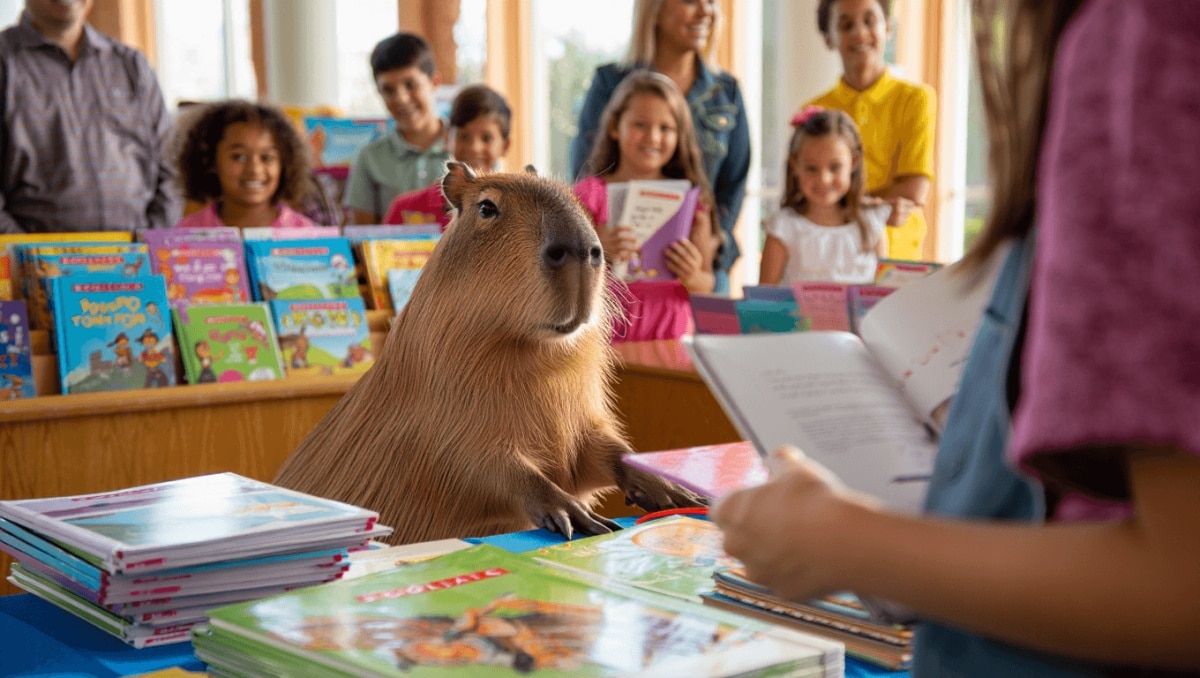
At my child’s recent school book fair, the headline attraction wasn’t a bestseller or a graphic novel. It was a plush, furry capybara diary that kids queued for like it was the season’s hottest toy. The scene felt both nostalgic and new: an auditorium turned temporary bookstore, bargaining over small treasures, and a reminder that kids still crave objects that invite them to create.
Why capybaras became the must-have item at school book fairs
Book fairs have long mixed books with playful accessories. This year, a soft, animal-shaped journal stole the spotlight.
Nas slams music industry over disrespect: teases new music, vows to address it
1992 vocal performances: 3 jaw-dropping moments that still amaze
- Scholastic book fairs reach thousands of schools each year. They’re fundraising events meant to spark interest in reading.
- Fuzzy journals combine the comfort of a stuffed animal with the function of a notebook.
- Manufacturers reported that these diaries sell in the millions annually, a sign of strong demand.
Part of the appeal is visual. Capybaras have become internet favorites thanks to feel-good videos and viral moments. Kids recognize the animal and respond to the texture and novelty. The journals often include playful extras, like tiny plush pockets, which make them feel collectible rather than just practical.
How non-book items help bring kids into reading
Schools use fairs not only to sell books but to invite children into a reading culture.
Merchandise that feels playful can turn a reluctant visitor into a future reader. For many kids, a trinket opens the door to browsing books they might otherwise ignore.
At my child’s fair, a picture book was chosen, but the capybara journal won the day. That mix of book and bauble is a deliberate tactic.
Handwriting is resurging — and journals may be part of that
Even as screen use grows, there are signs that physically writing is regaining traction.
Evidence and classroom trends
- National data show fewer young teens report daily pleasure reading than in past decades.
- State-level changes have brought cursive back into more classrooms.
- Interest in handwriting clubs and low-tech writing spaces has generated national attention.
Experts note that writing by hand supports memory and learning. Putting pen to paper slows thought, helping students process spelling and ideas. Some teachers say the deliberate pace of handwriting helps children internalize words and concepts.
Journals offer a simple, analog way for kids to practice writing and drawing. Even when the original intent is play, the act of recording thoughts can boost literacy skills over time.
Secrets, locks, and the private world inside a diary
Beyond texture and trend, many kids value the privacy a diary provides.
Older students remember diaries with tiny locks as treasures. The lock creates a sense of ownership.
Scholastic’s marketing often frames these journals for “creators,” borrowing language popular on social platforms. But for many children, a diary is less about public content and more about a personal space.
In an era of constant sharing and surveillance, a locked notebook can be a rare zone that belongs only to the child.
Quick headlines and reading notes: what’s trending with kids now
- Survey snapshot: A majority of teens feel optimistic about their economic futures, though girls report more worry about the country’s direction.
- School tech debate: New digital hall-pass systems aim to curb loitering and vaping in bathrooms, but students and privacy advocates call some systems intrusive.
- Policy watch: Upcoming court decisions on citizenship could shape whether certain children feel safe and whether they can access federal supports.
- What kids are choosing: My older child picked a fantasy series about a unicorn exploring strange realms. The art is memorable, and later volumes introduce imaginative creatures, like jellyfish-like beings.










