Show summary Hide summary
- How Graham reinvented American dance
- Signature works that reshaped the repertoire
- What “contraction and release” means for dancers
- Early life that shaped an icon
- Pushback, praise and public roles
- The company at 100: legacy and ongoing tour
- Graham’s working methods and studio presence
- Recognition and enduring influence
- Where Graham’s ideas live on
- Facts at a glance
When Martha Graham said “Movement never lies,” she distilled a lifetime of fierce discipline and radical creativity. Her approach rewired what American dance could be, turning emotion, breath and everyday people into powerful theater. As the Martha Graham Dance Company marks a century, its influence still ripples through stages worldwide.
How Graham reinvented American dance
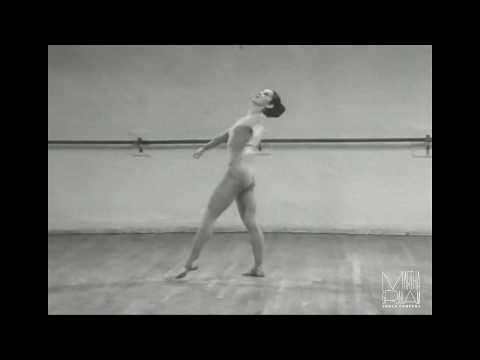
Martha Graham refused to copy the European ballet model. She wanted movement that spoke of real lives. Her choreography focused on feeling, conflict and the human body as a truth-teller.
Nas slams music industry over disrespect: teases new music, vows to address it
1992 vocal performances: 3 jaw-dropping moments that still amaze
She built not only a company but a school and a vocabulary for modern dance that foregrounded the torso and the breath.
Signature works that reshaped the repertoire
Graham created pieces that broke from fairy-tale ballets and patriotic pastiches. Her plays and dances often centered on Americans and visceral emotion.
- Appalachian Spring — paired with Aaron Copland’s music, this work evokes Pennsylvania pioneers and postwar hope.
- Lamentation — a seated solo encased in fabric, an abstract study of sorrow.
- Heretic — a portrait of an outcast, challenging audiences with raw feeling.
What “contraction and release” means for dancers
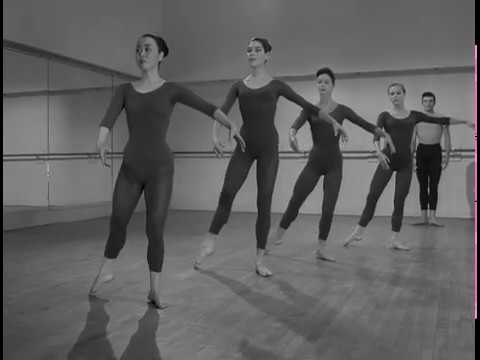
Graham’s method rejects the lifted, ethereal lines of classical ballet. She emphasized grounded, organic motion. Dancers perform barefoot and root movement in the breath.
She taught that emotion springs from the torso. The technique pairs a tightening inward on the exhale with an outward expansion on the inhale.
- Contraction: a coiling-in, an exhale that centers emotion.
- Release: an inhale that opens and projects energy.
Early life that shaped an icon
Raised in coal country, Graham described childhood surroundings as bleak and gritty. A cross-country move to California as a teen brought light and freedom to her imagination.
Her father’s lessons pushed her to seek honesty. He urged her to “look for the truth,” and that maxim guided a choreographer who mined life for material.
Pushback, praise and public roles
Her frank, expressive work shocked some viewers. Critics called it heretical. Others found it fierce and theatrical.
Graham also served as a cultural ambassador. She performed at the White House, taught actors, and toured internationally to represent American art.
Students and collaborators who carried her legacy
- Mikhail Baryshnikov — danced and praised her discipline.
- Bette Davis and Gregory Peck — trained with her.
- Madonna — among later artists influenced by her ideas.
- Aaron Copland — composer of the score to Appalachian Spring.
The company at 100: legacy and ongoing tour
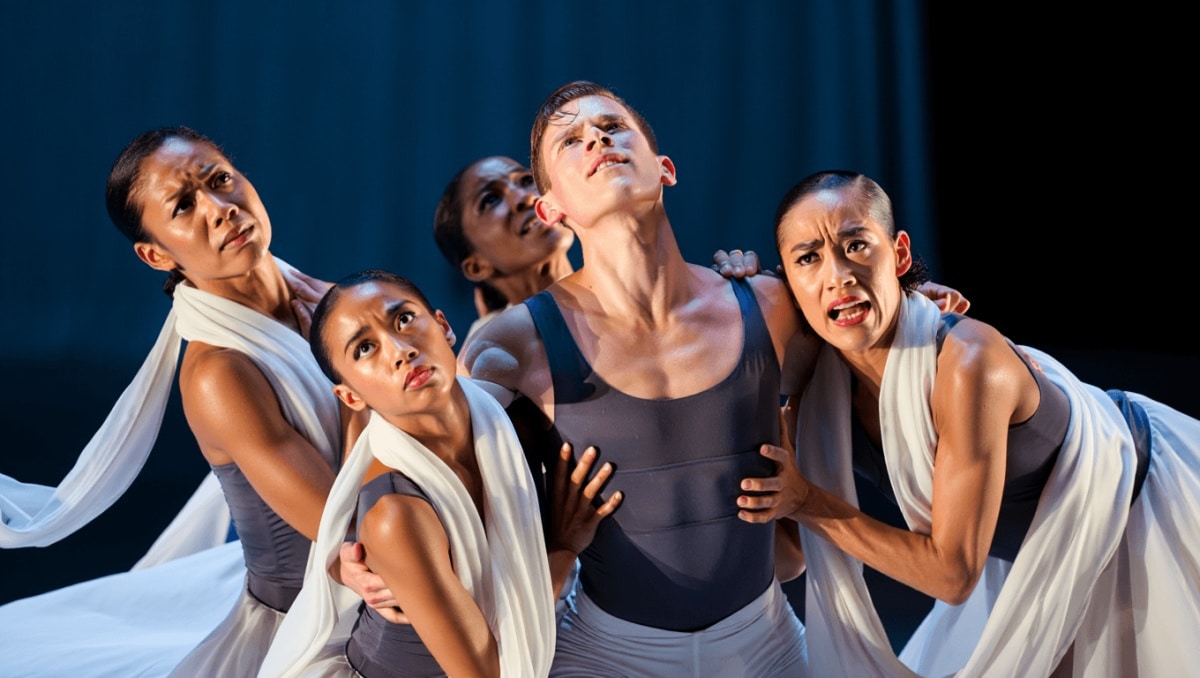
The Martha Graham Dance Company has outlived its founder and continues to tour globally. New audiences encounter works that still feel urgent.
Centennial performances underline how her vocabulary remains a touchstone for modern choreographers and performers.
Graham’s working methods and studio presence
Colleagues remember her as a master of tone and persuasion. In rehearsal she could summon warmth, severity or cunning to coax a performance out of a dancer.
Her technique demanded stamina. She expected her company to work hard so that emotion would read as natural on stage.
Recognition and enduring influence
Her honors included national recognition and stage success. Critics and peers alike praised the intensity of her dramatic language.
- Performed for presidents and international audiences.
- Received major cultural awards during her lifetime.
- Left a pedagogical legacy through the school and company she founded.
Where Graham’s ideas live on
Teachers and companies still teach her technique. Choreographers borrow her focus on breath, center-driven motion, and theatrical clarity.
Her choreography remains in repertory, studied by dancers who seek expressive immediacy over ornament.
Facts at a glance
- Founding: The Martha Graham Dance Company was established a century ago.
- Notable work: Appalachian Spring, Lamentation, Heretic.
- Core principle: “Movement never lies” and the search for truth in art.
- Legacy: Influenced performers from ballet stars to pop icons.
Martha Graham died in 1991 at age 96, leaving a company and a technique that continue to evolve on stages around the world.