
Show summary Hide summary
- Why a narrow waterway matters for the global economy
- How daily life is being altered across countries
- Food supplies strained: cooking fuel and fertilizer shortages
- Energy shock: LNG shortfalls and a coal comeback
- Local rollbacks and environmental dangers
- Signs of a green acceleration amid the crisis
- The human toll: hunger, power cuts, and uncertainty
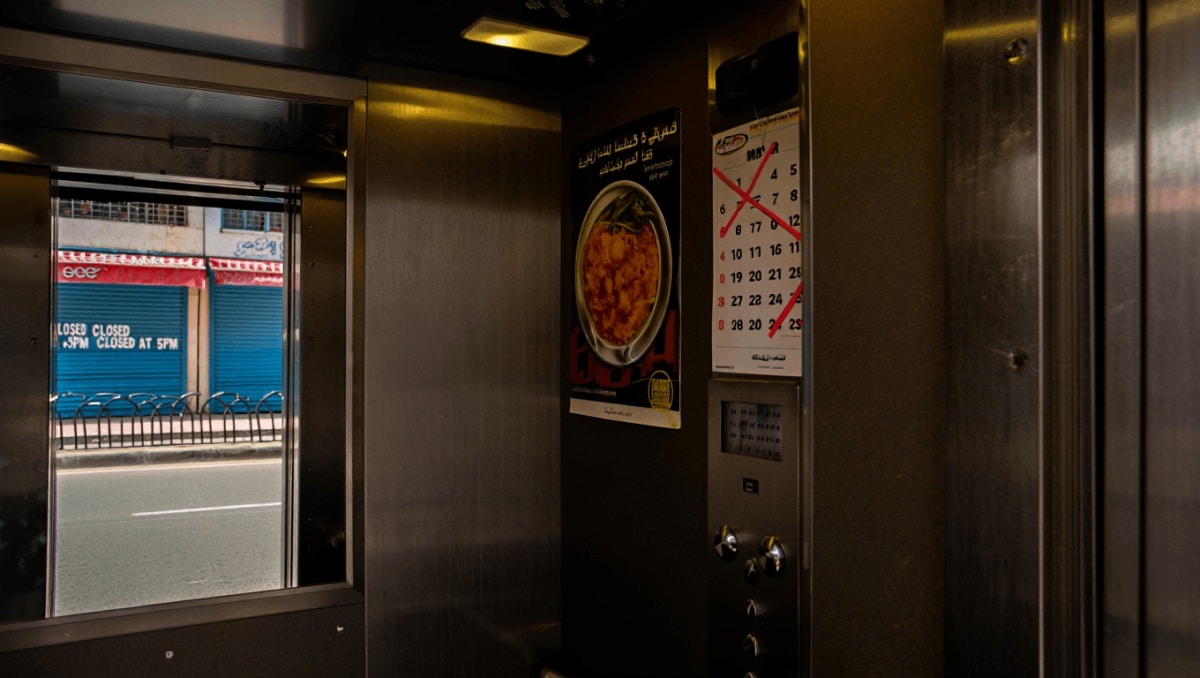
Menus have shrunk, school weeks have been cut, and shops are closing earlier. Small, everyday routines are changing in countries far from the Middle East. The cause is a sudden stoppage of shipping through the Strait of Hormuz, and its ripple effects are being felt across the Global South.
Why a narrow waterway matters for the global economy
The Strait of Hormuz is a strategic bottleneck. At its narrowest, it measures about 21 miles. Before the crisis, it moved a huge share of key commodities.
Nas slams music industry over disrespect: teases new music, vows to address it
1992 vocal performances: 3 jaw-dropping moments that still amaze
- Roughly 20 percent of global oil passed through the strait.
- About 20 percent of liquefied natural gas (LNG) shipments relied on this route.
- Nearly a third of seaborne fertilizer and close to half of sulfur exports transited the channel.
Since the strikes began on February 28, transit through the strait has fallen dramatically. Commodity flows have plunged, and that collapse is now reshaping prices, supplies, and national policies.
How daily life is being altered across countries
Governments and businesses are imposing measures more typical of wartime scarcity. These steps aim to stretch limited fuel and power supplies.
- Restaurants cut dishes or remove gas-dependent items from menus.
- Some countries reduced the official workweek or declared extra holidays.
- Public buildings shifted to lower-energy routines, like encouraging stairs instead of elevators.
- Shops and cafes face earlier closing times to save electricity and fuel.
Everyday comforts are vanishing as families and firms adapt to rationing and higher prices.
Food supplies strained: cooking fuel and fertilizer shortages
Food systems are among the first to show stress. Two bottlenecks are especially damaging: household cooking fuel and agricultural fertilizer.
Cooking gas shortages and restaurant fallout
Many households and small eateries depend on liquefied petroleum gas (LPG). Imports through the strait fuel those cylinders. With shipments disrupted, local markets reacted fast.
- Black-market LPG prices surged in some cities.
- Restaurants pared back menus. Traditional and festival dishes vanished from menus.
- Viral signs and social-media reports documented restaurants unable to prepare staple breads or open-flame specialties.
- Thousands of small food businesses face closure without steady fuel supplies.
Fertilizer shortages threaten planting seasons
The Gulf supplies a large share of global urea. The timing of the disruption could not be worse: farmers in the Northern Hemisphere are entering spring planting.
- Some countries paused or idled state fertilizer plants.
- Import-dependent nations saw urea prices jump sharply ahead of critical crop cycles.
- Producers in Brazil are shifting sugarcane to ethanol production when oil prices exceed $100 a barrel, tightening sugar exports.
The World Food Programme warns that millions more could fall into acute food insecurity as supplies tighten and prices climb.
Energy shock: LNG shortfalls and a coal comeback
With LNG flows curtailed, utilities are switching to dirtier fuels to keep the lights on. That pivot carries major climate and health costs.
- Some governments lifted restrictions on old coal plants to boost capacity.
- Several Asian nations are accelerating coal production and extending the life of aging plants.
- Europe is even revisiting mothballed coal units in some cases.
Coal companies have seen their value spike as markets bet on higher demand for fossil fuels. Once coal plants restart, they are often politically hard to retire, risking long-term carbon lock-in.
Local rollbacks and environmental dangers
In some places, officials have temporarily allowed the use of biomass and other polluting fuels to replace scarce clean options.
- Permits to burn wood, crop residues, or dung reverse years of clean-fuel gains.
- Short-term survival measures increase air pollution and health risks for vulnerable communities.
Signs of a green acceleration amid the crisis
Simultaneously, some markets are leaning into electrification and renewables as a hedge.
- Electric vehicle sales are rising fast in parts of South Asia.
- Small electric transport, like rickshaws, is selling out in some cities.
- Some manufacturers now expect stronger overseas demand for electric cars.
Analysts say the disruption could become a regional inflection point, nudging countries toward cleaner energy choices. But the transition takes time and investment.
The human toll: hunger, power cuts, and uncertainty
Millions of people already facing tight budgets now confront higher food and fuel costs. Power outages and rationing are spreading across health systems, schools, and businesses.
- Health clinics and hospitals risk fuel shortages for generators and equipment.
- School schedules shift as transport and energy constraints bite.
- Relief shipments and humanitarian supplies are delayed when ports and routes are blocked.
Vulnerable populations are absorbing most of the shock, even though they are not part of the fighting that caused the disruption.










