
Show summary Hide summary
- From a forced entry to a music video: what happened during the raid
- How “Lemon Pound Cake” turned the raid into art and publicity
- Deputies sue: claims of defamation and invasion of privacy
- Key moments from the courtroom and legal arguments
- Verdict and immediate reaction
- Viral clips, courtroom theatre and the Streisand effect
- Broader questions raised: policing, speech and popular culture
- What evidence and claims were central to the dispute
When a late-summer police raid on rapper Afroman’s home spilled onto social media, the aftermath became a legal fight and a viral spectacle. Joseph Foreman — better known as Afroman — transformed his anger into music, memes and merchandise. That creative response led the deputies involved to sue him. This case tested the line between artistic free speech and alleged reputational harm.
From a forced entry to a music video: what happened during the raid
Body-camera and home surveillance footage from August 2022 shows deputies from the Adams County Sheriff’s Office breaking down a door. Officers are seen searching rooms, checking through CDs and clothing, and handling cash. One clip famously pauses on a cake dish on the kitchen counter.
Nas slams music industry over disrespect: teases new music, vows to address it
1992 vocal performances: 3 jaw-dropping moments that still amaze
- Cause for the search: suspected drug trafficking and kidnapping.
- Outcome of the search: no criminal charges were filed.
- Allegations from Foreman: damaged gate and security wires, missing $400, frightened family members.
Afroman said his wife and young children were home during the raid. He was not present.
How “Lemon Pound Cake” turned the raid into art and publicity
Rather than pursue only a civil claim, Afroman released an album called Lemon Pound Cake in 2023. The record contains 14 tracks that reference the raid directly.
- Song titles include references like “The Police Raid” and “Why You Disconnecting My Video Camera.”
- Music videos incorporate actual surveillance footage from the incident.
- He also posted satirical memes and sold shirts, leaning into comedy and accusation.
The strategy: use music to both recoup repair costs and amplify his version of events. Afroman described the move as a nonviolent way to respond.
Deputies sue: claims of defamation and invasion of privacy
Seven law enforcement officers filed a lawsuit against Foreman in 2023. Their complaint accused him of defamation and unauthorized use of their likenesses. They sought removal of the content and $3.9 million in damages.
The officers said the online content harmed their reputations and hindered their work. Foreman, meanwhile, insisted his songs and posts were protected speech and satirical performance.
Key moments from the courtroom and legal arguments
The three-day trial focused on whether Afroman’s creative output was protected by the First Amendment. Both sides presented sharp contrasts of narrative and tone.
- Plaintiffs argued the social-media posts included false, harmful allegations that crossed from opinion into defamation.
- The defense argued the songs were hyperbolic artistic expression common in rap and social commentary.
- Only one defense witness testified: a teacher who said explicit song lyrics are often not taken literally in classrooms.
Defense counsel emphasized that artists often exaggerate for effect. He framed the case as a test of whether music and satire can be silenced because a public official felt insulted.
Officers describe personal consequences
Several deputies detailed fallout from the videos and posts. One officer said he began receiving pound cakes and awkward confrontations in his community. Another said accusations cost him his position.
One deputy was moved to tears on the stand after being named in sexually explicit songs. Foreman countered with testimony about fear he says his family experienced during the raid.
Verdict and immediate reaction
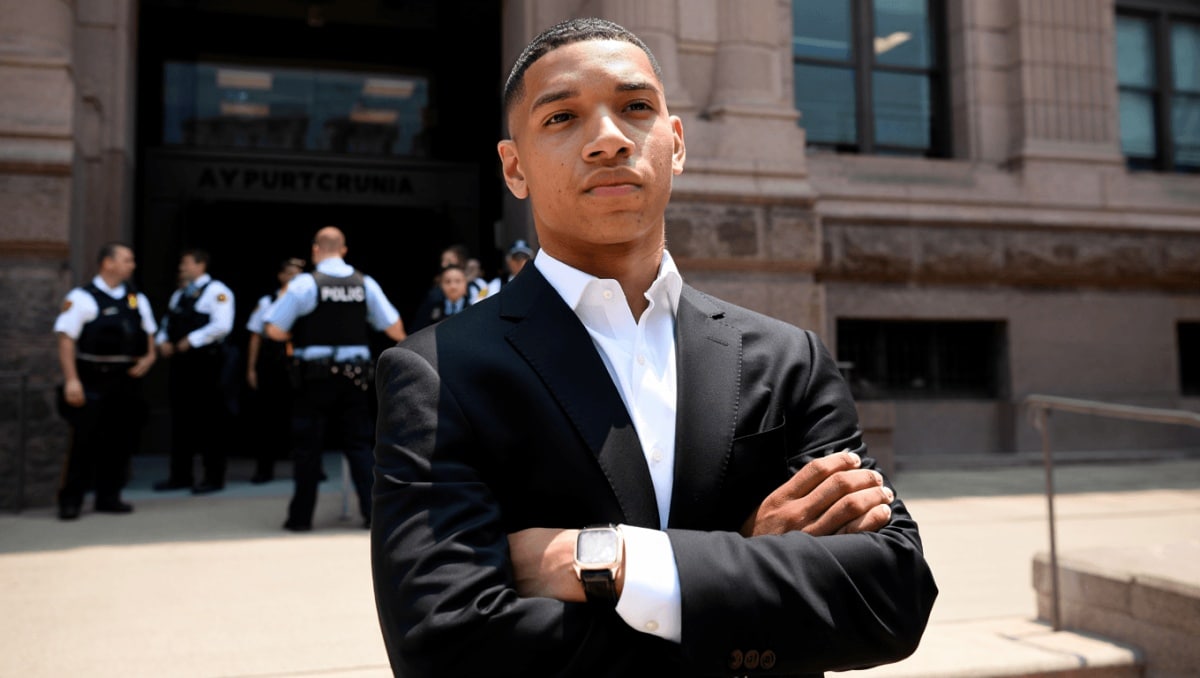
After less than a day of deliberations, the jury sided with the rapper. Foreman emerged from court in an attention-grabbing outfit and told reporters the outcome affirmed broad free-speech rights.
The deputies’ attorney said they planned to evaluate the verdict and discuss next steps. The plaintiffs had argued a favorable ruling would help repair what they described as severe damage to their lives.
The jury decision placed emphasis on artistic license and the right to criticize public actors.
Viral clips, courtroom theatre and the Streisand effect
Short video clips from the trial went widely shared. Highlights included Afroman in an American-flag suit, testimony about lemon pound cake, and courtroom gaffes that drew online attention.
Many observers noted the irony: the officers’ lawsuit made the recordings and accusations more visible. That phenomenon is often called the Streisand effect.
- The “Lemon Pound Cake” video amassed millions of views.
- Commenters pointed out the publicity helped Foreman’s follower counts grow.
Afroman told the court and reporters that the publicity boosted bookings and online reach.
Broader questions raised: policing, speech and popular culture
Beyond the personalities, the trial highlighted tensions between policing practices and how artists can respond. It also raised legal questions about where actionable statements end and protected expression begins.
Attorneys on both sides asked jurors to consider whether the statements were provable facts or expressive opinion. The jury’s ruling underscored a narrow reading of defamation in this context.
What evidence and claims were central to the dispute
- Surveillance footage of the raid, including images of officers handling cash.
- Allegations by Foreman of property damage and missing money.
- Lyrics and social posts alleging misconduct and naming deputies.
- Testimony from deputies about reputational harm and workplace impact.
The case blended visual proof, personal testimony and artistic expression into a legal test of modern public discourse.










