
Show summary Hide summary
- Where this sequel picks up and why context matters
- New protagonists, old structures: the central characters
- Plot beats without spoilers: what drives the episode arcs
- Performances that carry emotional weight
- Directing and visual approach: brighter, but familiar
- Writing and pacing: strong middle, repetitive bookends
- Themes: coming of age, grooming and the politics behind the fiction
- Tone and genre-hints: fairy tale, teen drama, and satire
- Where the series falters: predictability and over-familiarity
- What direction the middle episodes suggest
- Technical notes: sound, wardrobe and symbolism
- Questions the show raises but doesn’t fully answer
- Who should tune in and what to expect
Gilead returns with a new cast of young women, fresh conflicts and familiar tyranny. The Testaments aims to extend Margaret Atwood’s dystopia, but it walks a narrow line between inventing new angles and repeating the same beats fans already know. The result is a show that often shines in performance and mood, yet feels tethered to its predecessor at nearly every turn.
Where this sequel picks up and why context matters
The series unfolds some years after viewers last left June Osborne. Gilead still exists as a functioning regime, despite promises of collapse.
Nas slams music industry over disrespect: teases new music, vows to address it
1992 vocal performances: 3 jaw-dropping moments that still amaze
- Adaptation and lineage: Bruce Miller, who adapted The Handmaid’s Tale, returns here.
- Continuity: New scenes assume viewers remember major events from the original series.
- Accessibility: If you haven’t seen Handmaid’s, key plotlines will likely feel opaque.
New protagonists, old structures: the central characters
At the heart of the story are three young women whose lives are shaped by Gilead’s rules. Each offers a different window into the regime.
Main players
- Agnes: Played by Chase Infiniti. A privileged “Plum” raised to accept Gilead’s order.
- Daisy: Played by Lucy Halliday. A newcomer from Toronto who claims to be repentant.
- Becka and Shunammite: Friends at the school who provide texture and contrast.
- Aunt Lydia: Ann Dowd returns as the stern educator who polices girls’ futures.
- Supporting roles: Amy Seimetz, Mattea Conforti, Kira Guloien and others populate the world.
Plot beats without spoilers: what drives the episode arcs
The first episodes hinge on ritual, control and the slow awakening of doubt. Girls are trained, color-coded and prepared for forced futures. Small acts of curiosity become seeds of rebellion.
- School life at Aunt Lydia’s becomes a central set piece.
- A hidden collection of relics hints at longing for the past.
- Daisy’s secret agenda accelerates conflict in unexpected ways.
Performances that carry emotional weight
Acting is the show’s most reliable strength. Several cast members deliver memorable turns.
- Chase Infiniti: Anchors the series with gradual, simmering changes in Agnes.
- Lucy Halliday and Mattea Conforti: Bring volatility and edge to the younger leads.
- Ann Dowd: Makes Aunt Lydia magnetic, even when the writing changes course.
- Smaller roles by Rowan Blanchard and Isolde Ardies add depth and unpredictability.
Directing and visual approach: brighter, but familiar
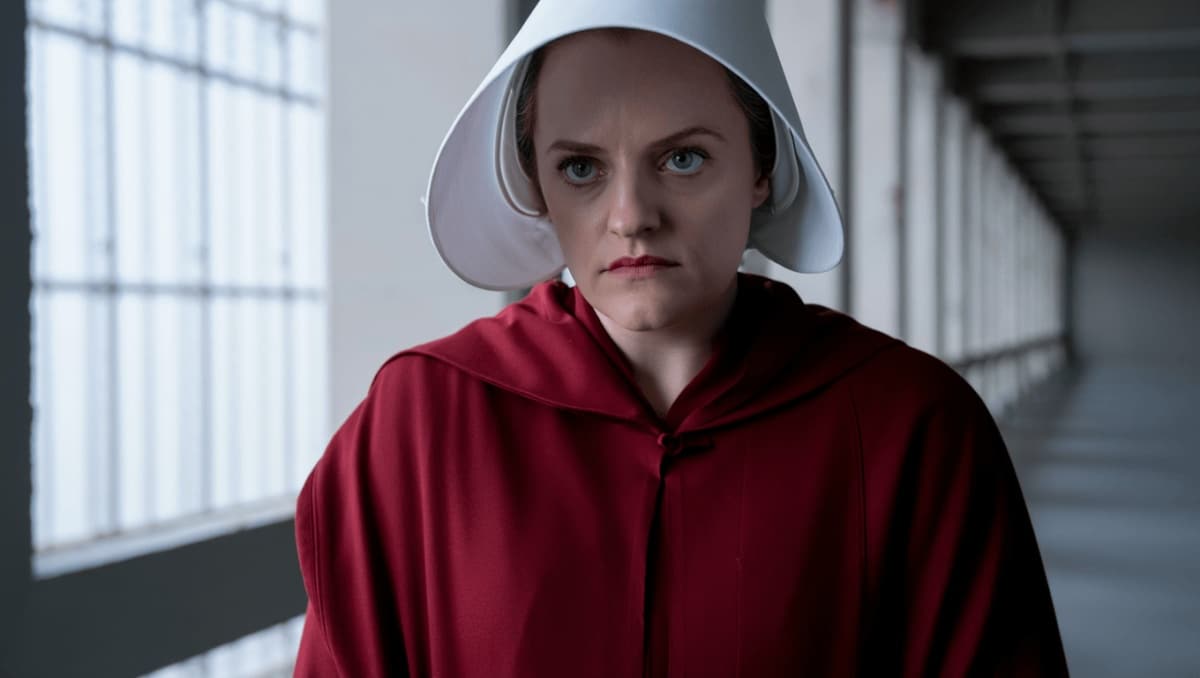
The Testaments looks cleaner and somewhat lighter than its predecessor. That brightness is a deliberate choice. Yet at times the imagery fails to carve out a unique visual identity.
- Mike Barker bookends the season with a polished, safe style.
- The midseason directors—Quyen Tran, Jet Wilkinson, Shana Stein—lend intimacy.
- Where Handmaid’s felt singular in its cinematography, this series borrows much of the same language.
Writing and pacing: strong middle, repetitive bookends
The show finds momentum midway through the season. Character-focused chapters allow the cast to breathe.
- The opening episodes are heavy on exposition and worldbuilding.
- Midseason offers emotional beats that feel earned and surprising.
- The finale leans into predictable callbacks that undermine earlier daring.
Themes: coming of age, grooming and the politics behind the fiction
This adaptation foregrounds adolescence in a state-built patriarchy. It’s about rites of passage that have been weaponized.
- Ritualized adulthood: Menstruation becomes the regime’s marker of worth.
- “Grooming” as policy: The show deliberately uses that term to underline how girls are prepared for marriage.
- Cultural echoes: The series nods to real-world scandals and political moments.
Tone and genre-hints: fairy tale, teen drama, and satire
The Testaments often reads like a dark coming-of-age tale. It borrows from teen archetypes and classic fairytales.
- Girls dream of Prince Charming while facing predatory adult men.
- The soundtrack skews poppy, giving a modern teen-movie energy.
- There are moments of camp and queer coding that suggest broader tonal possibilities.
Where the series falters: predictability and over-familiarity
Despite inventive moments, the show rarely breaks free of the hand that precedes it.
- Recycled beats: Many twists are telegraphed by prior Handmaid’s arcs.
- Cameos and callbacks: Returning figures tether the story to the original.
- Missed opportunities: The show could feel younger and queerer, but the aesthetic is restrained.
What direction the middle episodes suggest
The center of the season is where characters outweigh plot mechanics. Intimacy and riskier choices surface.
- Smaller scenes let actors expand their roles.
- The pacing loosens, allowing unexpected alliances.
- These episodes show the series’ real potential.
Technical notes: sound, wardrobe and symbolism
Color and costume remain key storytelling tools. Purple dresses, pinks and whites map social status. Music often underlines irony.
- Costume palettes keep the show readable and symbolic.
- Sound design alternates between jaunty pop and oppressive quiet.
- Small artifacts—found trinkets, beach relics—function as narrative tokens.
Questions the show raises but doesn’t fully answer
The series sets up mysteries and moral dilemmas. Many will be explored over future seasons, if the creators follow through.
- How will Agnes’ simmering doubt evolve?
- What is Daisy’s true mission beyond surface repentance?
- Can the fractured visual identity find a bolder voice?
Who should tune in and what to expect
If you loved Handmaid’s, The Testaments will feel like extended canon. If you’re new to Gilead, expect heavy reliance on prior events.
- Fans seeking strong performances and tighter middle chapters will be rewarded.
- Viewers hoping for something radically new may be frustrated.
- Overall: The show balances promise and repetition, with standout acting anchoring a familiar world.










