
Show summary Hide summary
- Why a 2002 reality show is back in the headlines
- What the documentary investigates about the series
- Shandi’s episode: consent and the workplace environment
- Pressure to change natural traits — the Dani example
- How accountability is distributed across a TV production
- How the film treats Tyra Banks’ role
- What the retrospective reveals about early 2000s reality TV
- Questions the film leaves open about change and repair
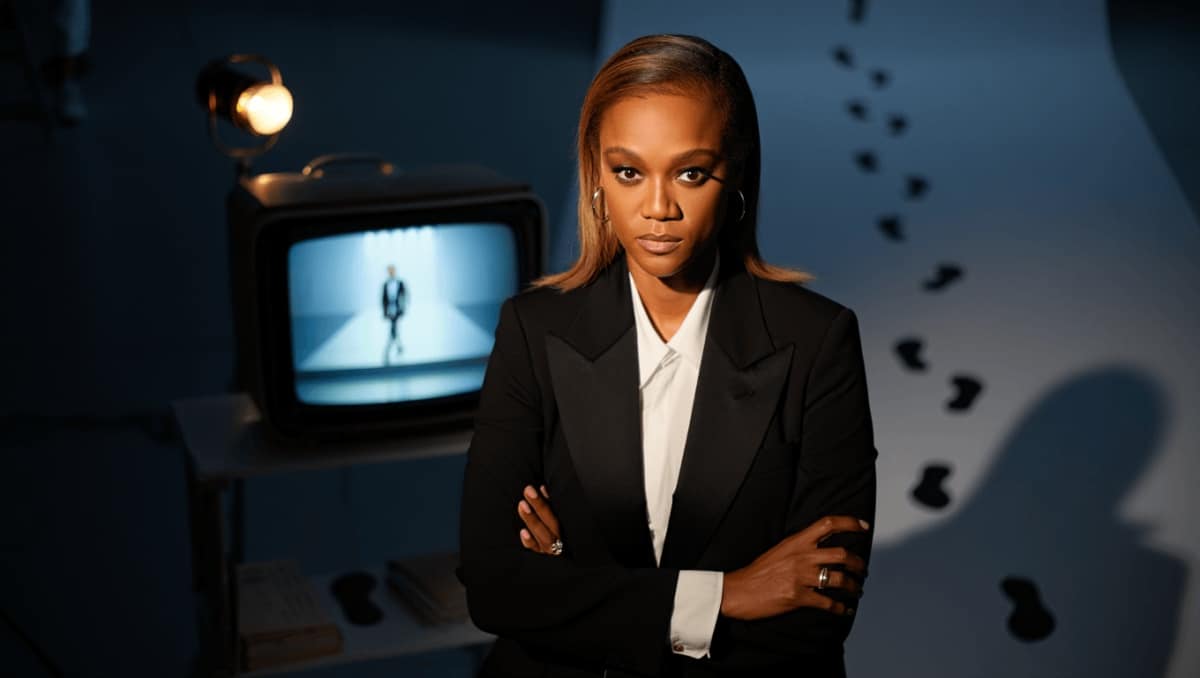
The new documentary probing America’s Next Top Model has reignited debate over a show that shaped early reality TV. As former contestants, producers, and Tyra Banks herself revisit gritty behind-the-scenes episodes, viewers are asking tough questions about consent, image pressure, and who actually carried responsibility for harm.
Why a 2002 reality show is back in the headlines
Television culture tends to rotate in decades. Programs that once felt fresh can later look like relics.
Nas slams music industry over disrespect: teases new music, vows to address it
1992 vocal performances: 3 jaw-dropping moments that still amaze
ANTM arrived in the post-9/11 era and helped define the reality competition blueprint. It taught audiences to expect elimination drama, makeover arcs, and manufactured tension.
Now, with a documentary pulling archival footage and new testimony together, critics and fans alike are re-evaluating what producers normalized on camera.
What the documentary investigates about the series
The film collects interviews and clips to confront moments viewers once accepted as entertainment.
- The treatment of contestants during shoots and travel.
- How production framed intimate situations.
- The industry standards contestants were urged to adopt.
- Tyra Banks’ role as host, creator, and public face.
The documentary does not offer simple answers. It exposes layers of decision-making and the limits of individual accountability.
Shandi’s episode: consent and the workplace environment
One segment of the film focuses on a contestant named Shandi. Her experience in Milan is central to the documentary’s tougher scenes.
At the time, on-air edits presented the episode as a consensual hookup after a night of drinking. In interviews years later, Shandi describes feeling she could not meaningfully consent in that situation.
The documentary reframes the event by examining power dynamics, group behavior, and the choices made by crew and producers that night.
Key issues the film highlights about Shandi’s case
- The difference between how an event aired and how it happened off-camera.
- The influence of alcohol on decision-making during shoots.
- How production and editing can assign blame to contestants.
Her story raises a broader question: when a scene is presented as scandalous TV, who is responsible for ensuring safety?
Pressure to change natural traits — the Dani example
The doc also explores how aesthetic standards were enforced. Dani, a memorable contestant with a gap in her front teeth, was nudged to hide it.
Producers framed certain physical traits as commercial liabilities. Contestants were coached to conform to market ideals.
That tension — between personal identity and industry demand — sits at the documentary’s core.
- Contestants were taught how the fashion industry valued uniformity.
- Producers insisted modifications would help career prospects.
- Many former participants later questioned whether those instructions were truly necessary.
The result was a routine of self-doubt. Young women were asked to edit their bodies and faces to fit a narrow gatekeeper vision.
How accountability is distributed across a TV production
Tyra Banks is the most visible name tied to the show. But the documentary argues that responsibility is spread across a network.
Producers, editors, legal teams, and executives all sign off on shoots and storylines.
One theme the film stresses is that harmful decisions rarely spring from a single person. They emerge when many people normalize questionable choices.
Who decides what goes on air?
- Producers create challenges and narratives.
- Legal and safety staff set policies — or fail to enforce them.
- Editors shape scenes and context in postproduction.
- Executives approve final cuts and distribution plans.
Consequence culture often targets the face of the show. Yet the documentary asks viewers to consider the whole institution behind the footage.
How the film treats Tyra Banks’ role
Interview footage shows Banks reflecting on past choices. She frames some actions as products of their era.
Several contributors to the film push back on that defense. They point out that claiming a different time does not erase harm.
Viewers watching the documentary must decide whether Banks’ explanations amount to accountability or deflection.
Her persona was an engine of the series. It drove ratings and shaped the show’s tone, for better or worse.
What the retrospective reveals about early 2000s reality TV
The documentary is less an indictment of a single program than a portrait of an era.
It shows how reality television tools — candid confessionals, manufactured crises, and sensational editing — can warp real lives.
At the same time, it reveals how audiences and the industry absorbed those signals for years afterward.
- Editing can turn messy moments into moral failures.
- Contracts rarely protected participants from exploitative framing.
- What was normal on-screen shaped off-screen expectations.
Watching the footage now offers a yardstick. It helps trace how norms around consent and representation have shifted, or not.
Questions the film leaves open about change and repair
The documentary invites debate about whether entertainment institutions can repair past harms.
Some ask for public apologies and industry reforms. Others seek structural change — better safety policies, stronger oversight, and clearer standards for consent on set.
The film demonstrates how complicated accountability becomes when multiple people and corporate entities share power.
It also presses a quieter issue: can viewers learn from these images without repeating the same dynamics?










