
Show summary Hide summary
Nothing’s latest midrange phone aims to blend bold design with sensible hardware at a $499 price point. After living with the device for 10 days on a major U.S. network, its personality is unmistakable: a striking look, useful software features, and a few compromises that remind you it’s not a flagship.
Bold looks and the return of the transparent aesthetic
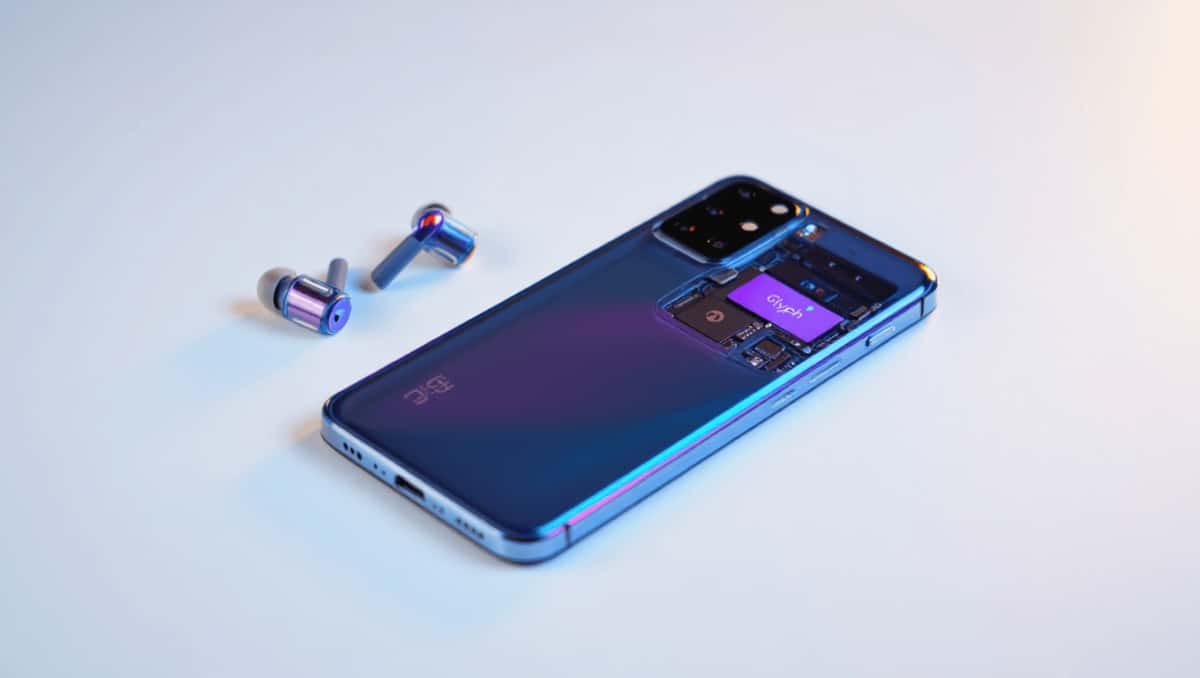
Design is the first thing people notice. The transparent rear shell and visible components are Nothing’s signature. This phone leans into that identity with cleaner lines than its predecessor.
Nas slams music industry over disrespect: teases new music, vows to address it
1992 vocal performances: 3 jaw-dropping moments that still amaze
- Large camera island contrasts with the see-through back.
- Materials and finish feel premium for the price.
- Color and visual cues make it stand out in a crowd.
If you want a phone that sparks conversation, this one delivers.
Glyph Matrix: smaller, simpler, and limited
The Glyph Matrix returns but in a reduced form. The dot grid uses bigger pixels, which lowers detail.
- Good for basic icons and numbers.
- Poor for detailed previews or complex animations.
- Selfie preview using the rear camera is much harder to read than before.
Activation also changed. You now must place the phone face down to wake the Glyph, rather than use a capacitive button. That feels like a cost-saving trade.
Extras like Essential Space and persistent display
Nothing adds small software hooks tied to hardware. The Essential Key opens a notes area called Essential Space. It captures screenshots and voice clips, then uses AI to organize them.
Other Glyph toys from past models are largely absent, though Nothing hints the community could add extras later. That leaves some features feeling unfinished.
Core hardware: screen, chip, memory, and battery
The internal build matches midrange expectations but gives you useful headroom for daily life.
- Processor: Snapdragon 7 Gen 4.
- Memory options: 8GB or 12GB RAM.
- Storage: 128GB or 256GB.
- Battery: 5,000 mAh (India models 5,400 mAh).
- Display: 6.83-inch AMOLED, up to 144 Hz refresh.
This phone punches above its weight on screen quality and battery life.
On benchmarks it posts solid midrange numbers and handles everyday apps, browsing, and light gaming with ease. Heavy 3D titles and intensive video editing reveal the chip’s limits.
Battery endurance is a highlight. Light to moderate users can see close to two days per charge. Heavy users will still make it through a long day.
Software choices: personality, minimalism, and friction
Nothing OS emphasizes design. Many UI choices are intentional, but not all are universally convenient.
- Grayscale icon pack aims for digital minimalism.
- The app drawer cannot be disabled, and folder creation is awkward.
- Gesture and hardware shortcuts are polished, but some are opinionated.
For some, the grayscale icons calm the home screen. For others, the forced app-drawer workflow feels restrictive. Essential Space and AI note-sorting are clever, though they may not match every user’s habits.
Camera system: telephoto perk, real-world limits
Nothing equips the phone with a dual 50MP rear setup, an 8MP ultrawide, and a 32MP front camera. The spec sheet looks promising for the category.
- Main: 50MP sensor for everyday shots.
- Telephoto: 50MP with 3.5x optical reach.
- Ultrawide: 8MP, weaker detail and dynamic range.
- Selfie: 32MP front camera.
Daytime photos can be very good from the main sensor. The telephoto gives useful reach for distant subjects, a clear advantage over some rivals.
But lens-to-lens consistency is uneven. The ultrawide lacks fine detail. Macro shots rely on the main sensor and do not get as close as some phones that use the ultrawide for macros.
Low-light photos and moving video are where compromises appear. Night shots can blow out highlights and show heavy grain. Video holds up when static, but walking footage exhibits judder and instability.
How it stacks up at $499: compare and choose
The Nothing Phone (4a) Pro sits next to phones like the Google Pixel 10a at the same price. The two take different approaches.
- Nothing Phone (4a) Pro: bolder design, telephoto lens, distinctive software touches.
- Pixel 10a: more consistent camera quality, calmer design, strong computational photos.
Consider these buying cues:
- If you want telephoto reach and a standout design, the Nothing model is attractive.
- If top-tier camera consistency matters most, the Pixel is a better bet.
- If battery life and a vibrant screen are priorities, both phones perform well, with Nothing slightly ahead on endurance.
Strengths and trade-offs to weigh
- Strengths: signature design, bright 144 Hz AMOLED display, long battery life, telephoto lens.
- Trade-offs: midrange chipset limits heavy gaming, camera consistency and low-light performance lag, some software decisions frustrate power users.










