
Show summary Hide summary
- How one retail empire shaped a generation’s look and habits
- Financial ties and a controversial advisor: Wexner and Jeffrey Epstein
- Allegations in the orbit: executives, photographers and models
- The deliberate sexualization of youth-facing marketing
- Culture consequences: who paid the price for “cool”?
- When branding and predation collide: the grooming question
In the malls of the late 1990s and early 2000s, a distinct youth identity was being manufactured. Teenagers learned how to dress, how to smell, and how to perform coolness inside stores whose logos dominated food courts and parking lots. Behind those logos stood powerful executives and uneasy alliances that later raised troubling questions about influence, image and misconduct.
How one retail empire shaped a generation’s look and habits
Les Wexner built a retail constellation that became shorthand for youth culture. His company owned labels that sold underwear, jeans, perfumes and the idea of desirability to millennials. Those stores were more than shops; they were social classrooms.
Nas slams music industry over disrespect: teases new music, vows to address it
1992 vocal performances: 3 jaw-dropping moments that still amaze
- Victoria’s Secret taught style around lingerie and bedroom aesthetics.
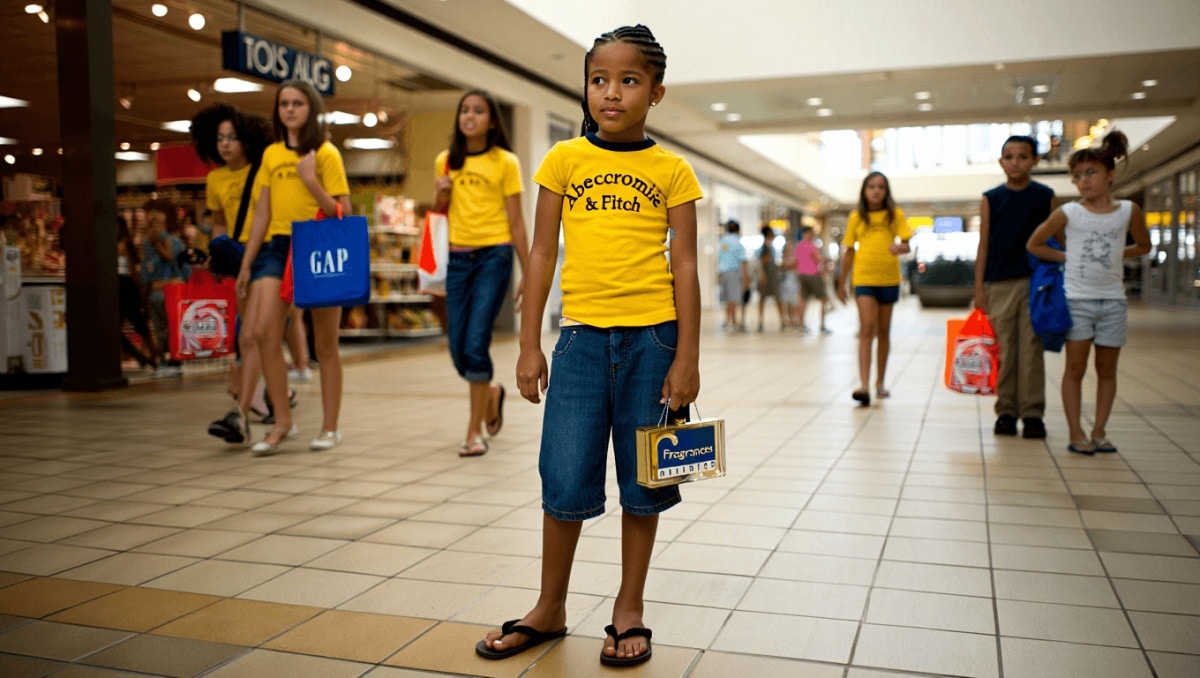
- Abercrombie & Fitch sold a casual, sporty image and aspirational social status.
- Other L Brands stores handed teens scented body products and themed apparel.
These brands set norms about body image, race, and sexual presentation. Choices were limited. Being “in” often meant conforming to narrow standards of attractiveness.
Financial ties and a controversial advisor: Wexner and Jeffrey Epstein
In the 1990s, Wexner hired Jeffrey Epstein as a financial manager. Epstein later became infamous for sex crimes.
Wexner granted Epstein broad authority over aspects of his wealth. That arrangement raised alarm after Epstein’s criminal conduct came to light.
- Epstein served as Wexner’s primary public client for years.
- Reports show Epstein had power of attorney and handled family funds.
- Investigations and memos later mentioned Wexner in relation to Epstein’s network.
Though Wexner has not been charged with Epstein’s sexual offenses, official documents and news reports documented close business ties. The association prompted scrutiny about who benefited from the access Epstein cultivated.
Allegations in the orbit: executives, photographers and models
Accusations extended beyond Epstein’s crimes. Several figures connected to the mall brands faced allegations of sexual misconduct.
Notable names and claims
- Ed Razek, longtime marketing chief, was accused by models of inappropriate touching.
- Mike Jeffries, former Abercrombie CEO, has faced legal scrutiny over alleged exploitation of young men tied to the brand.
- Bruce Weber, fashion photographer, has been accused of misconduct involving male models.
These claims suggest a pattern of power imbalances in an industry that relied on young bodies and image to sell products.
The deliberate sexualization of youth-facing marketing
Marketing choices amplified sexual signals aimed at teens and young adults. L Brands and similar companies pushed provocative campaigns into malls, catalogs and TV.
Examples of the era’s promotional tactics include:
- Fashion shows that moved from runways to broadcast television.
- Teen lines presented in suggestive contexts, complete with cheerleader props and stuffed animals.
- Retail publications and ad spreads that flirted with explicit themes to attract attention.
These tactics blurred boundaries between adult sexuality and adolescent aspiration. Young shoppers were encouraged to adopt a sexualized identity as part of brand loyalty.
Culture consequences: who paid the price for “cool”?
The aesthetic these brands promoted had social costs. Body-shaming, racial stereotyping, and an emphasis on hyper-sexualized youth left long shadows.
- Size exclusion reinforced unhealthy dieting and body anxiety.
- Hiring practices and advertising choices promoted racial marginalization.
- Pressure to appear adult led to early encounters with sexual attention.
Many millennials now reflect on how those retail cultures shaped expectations and normalized exploitative behavior.
When branding and predation collide: the grooming question
The proximity of marketing teams, talent scouts, and influential men created opportunities for abuse. Observers have asked whether some practices were intentional.
Was this the logic of hard-edged capitalism, or a darker pattern of grooming? The answer remains contested. For survivors and critics, the distinctions matter.
As the industry faces lawsuits, documentaries and renewed reporting, former shoppers and employees are re-evaluating what felt unavoidable then.










