
Show summary Hide summary
- Glamour and gossip on Cortina’s main street
- Sporting bloodlines and Olympic echoes
- Who comes and why: celebrities, royals and tourists
- The Dolomites: UNESCO status and outdoor appeal
- Winter’s future: warming weather and artificial snow
- Culinary reinvention: farm-to-table in the mountains
- Balancing heritage and modern pressure
- What visitors should know before they go
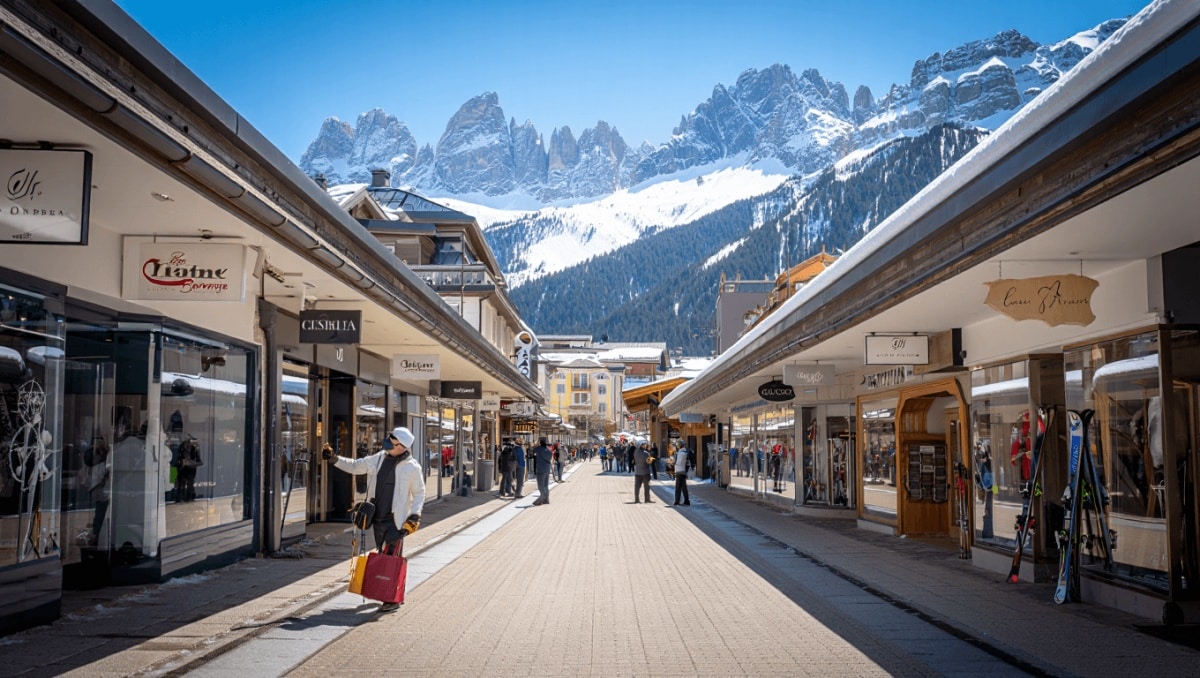
Cortina d’Ampezzo feels like a postcard brought to life: luxury boutiques flank a snow-dusted main street, designer logos glitter under Alpine light, and the peaks of the Dolomites rise like a dramatic backdrop. Visitors arrive chasing chic skiing, cinematic history and Michelin dining. Locals watch as crowds, cameras and global attention reshape a town steeped in sporting legend.
Glamour and gossip on Cortina’s main street
Strolling Cortina’s central avenue feels like a runway. Shops for Gucci, Prada and Dior sit just steps apart. Fur coats and polished boots are common. The atmosphere is deliberate and theatrical.
Nas slams music industry over disrespect: teases new music, vows to address it
1992 vocal performances: 3 jaw-dropping moments that still amaze
That cosmopolitan sheen earned the town nicknames such as the “Pearl of the Dolomites” and the informal “celebrities’ living room.” The Hotel de la Poste is a local icon. Its wood-paneled bar still draws visitors eager to feel a link to the past.
Ernest Hemingway is part of that lore. A preserved room, letters and a plaque recall the writer’s long stays. Guides point out his corner table and a typewriter kept as a curiosity.
Sporting bloodlines and Olympic echoes
The surrounding slopes are not only scenic; they are a training ground. Family names tied to winter sports are everywhere. Riccardo Fiore serves drinks at a lodge once frequented by champions.
His grandmother, Yvonne Rüegg, won Olympic gold in giant slalom. His grandfather coached Alberto Tomba, a skier who became a household name. Locals still mention that Tomba drops in on the mountain cafés.
Films, fame and televised sport
Cortina’s image spread beyond ski circles through television and movies. It hosted the 1956 Winter Olympics, one of the first Games to be broadcast widely. Footage in black-and-white brought alpine scenes into living rooms around the world.
Over the decades filmmakers returned. Movies shot here include action and spy thrillers that used the peaks for dramatic chase scenes. That cinematic exposure helped cement Cortina’s international reputation.
Who comes and why: celebrities, royals and tourists
From early royal visitors to modern stars, Cortina attracts high-profile guests.
- Royal visitors in the 1920s boosted its glamour.
- Actors, directors and musicians have been photographed here.
- Hollywood names and global celebrities occasionally appear, often incognito.
Locals say celebrities prefer low-key visits. Still, spotting a film star or a famous director is part of the town’s mystique.
The Dolomites: UNESCO status and outdoor appeal
The jagged limestone formations of the Dolomites are a UNESCO World Heritage site. Their dramatic shapes, turquoise lakes and high meadows lure hikers, photographers and nature lovers.
Summer has become nearly as busy as winter. Tourists arrive for trails, alpine lakes and gourmet mountain cuisine. Social media images amplify the destination’s allure.
Winter’s future: warming weather and artificial snow
Recent Games and local competitions have relied heavily on artificial snow. Warmer winters and shorter natural-snow seasons force organizers to manufacture conditions.
Artificial snow kept slopes open during major events. But it raises questions about sustainability and the long-term viability of traditional ski resorts.
- Artificial snow requires water and energy.
- Climate change shortens reliable snow seasons.
- Communities face trade-offs between tourism revenue and environmental costs.
Culinary reinvention: farm-to-table in the mountains
Cortina’s hospitality scene now includes high-end restaurants that mix local tradition with modern plating. SanBrite, a mountain restaurant, earned a Michelin star and a guide’s green star for sustainability.
Chefs here emphasize ingredients from nearby farms. Menus celebrate seasonal produce, house-made butter and recipes rooted in alpine agriculture.
Menu highlights that tell a story
- Jerusalem artichoke preparations served with mushroom and shallot accents.
- Desserts inspired by frozen lakes, combining panna cotta, elderflower and icy textures.
- Farm cheeses and fresh butter presented as part of the dining ritual.
Chefs draw ideas from the landscape. A frozen pond walk inspired one winter dessert that mimics a glassy lake.
Balancing heritage and modern pressure
Cortina’s identity mixes rustic mountain life with star-studded glamour. That balance is now under strain. International events bring attention and money. They also ask more of roads, hotels and the environment.
Residents and business owners debate how to preserve local character while adapting to new demands. Some point to sustainable tourism and local food systems as a way forward.
What visitors should know before they go
- Expect luxury shopping and high-end hospitality in the town center.
- Book restaurants and mountain activities in advance during peak seasons.
- Consider off-season visits for hiking, fewer crowds and lower prices.
- Respect protected areas in the Dolomites to help preserve the landscape.
Choosing responsible travel helps maintain Cortina’s alpine heritage for future generations.










