
Show summary Hide summary
- What the series promises and where it falters
- Sarai and Abram: the first episode examined
- Character dynamics and missed opportunities
- Acting: standouts and limitations
- Storytelling choices: faith, fate and dramatic momentum
- Production design and directorial approach
- Who will this miniseries appeal to?
- How future episodes could shift the tone
Fox’s new three-part event, The Faithful: Women of the Bible, tries to retell Genesis from the women’s point of view. The premiere arrives with solemn ambition, biblical scale and a steady stream of faith-based moments. But the series often chooses reverence over risk, delivering a polished retelling that rarely surprises.
What the series promises and where it falters
The show presents itself as a recentering of the female figures from Genesis. Creator René Echevarria aims for fresh perspectives on familiar stories. The series name and marketing lean into that promise.
Nas slams music industry over disrespect: teases new music, vows to address it
1992 vocal performances: 3 jaw-dropping moments that still amaze
Yet the execution places plot certainties above character discovery. Many pivotal turns arrive because the story demands them. That approach makes events feel inevitable rather than earned.
- Ambition: Recasting Genesis through women’s eyes.
- Problem: Moments feel preordained rather than emotionally developed.
- Result: Strong imagery but shallow interiority for key characters.
Sarai and Abram: the first episode examined
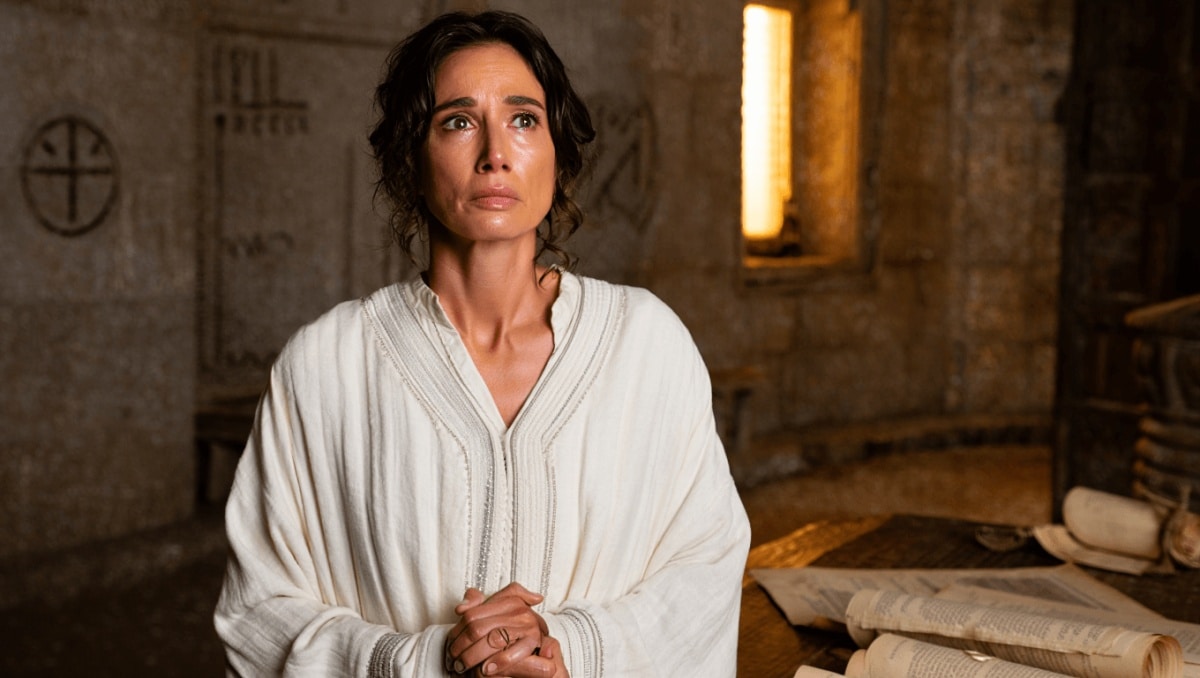
The first episode, released to critics, focuses on Sarai and Abram. Minnie Driver plays Sarai. Jeffrey Donovan plays Abram. Their marriage is shown as loving and steady, yet childlessness shadows them.
When God speaks to Abram and asks him to leave his homeland, the show treats that call as a decisive turning point. Abram accepts without long debate. Sarai’s response is swift and supportive. The drama here is more about the myth’s inevitability than the characters’ inner conflicts.
The episode runs about 84 minutes in its initial cut, which becomes roughly two hours with commercials. Director Danny Cannon stages large, open desert scenes and ceremonial moments. The direction favors epic tableaux over intimate, messy exchanges.
Character dynamics and missed opportunities
There are moments that hint at deeper emotional complexity. Sarai and Hagar’s relationship, for example, offers real friction. Hagar, played by Natacha Karam, exists in a fraught space between loyalty, resentment and survival.
That tension could be the show’s most compelling thread. Instead, the series touches on jealousy and sisterhood but rarely interrogates the moral costs of their choices. The result is interesting setup without full follow-through.
- Sarai: portrayed with dignity, but often underused.
- Abram: steady and obedient, sometimes too passive for drama.
- Hagar: rich potential as a conflicted figure; not fully realized.
Acting: standouts and limitations
Minnie Driver brings a reserved force to Sarai. She conveys longing and brittle hope in small gestures. Jeffrey Donovan gives Abram a calm conviction that suits the role.
Supporting players offer flashes of life, but their arcs rarely get time to breathe. When the script allows a focused scene, the performances shine. When it does not, even strong actors feel constrained.
Key cast to watch
- Minnie Driver as Sarai — quiet intensity, underexposed.
- Jeffrey Donovan as Abram — firm and dutiful.
- Natacha Karam as Hagar — the most emotionally layered role.
- Upcoming: Alexa Davalos as Rebekah; Millie Brady and Blu Hunt as Leah and Rachel.
Storytelling choices: faith, fate and dramatic momentum
The series often substitutes divine intervention for narrative complication. When characters face mortal danger or moral quandaries, a quick spiritual resolution resets the plot.
That storytelling habit reduces suspense. Obstacles are seldom solved by clever human choices. Instead, outcomes follow a spiritual blueprint that the audience already knows.
Time jumps and familiar beats speed the story along. This works for viewers seeking a faithful adaptation. It is less satisfying for audiences hoping for fresh psychological insight or subversive reinterpretations.
Production design and directorial approach
Visually the show is careful and polished. Costume and set design evoke an ancient world without excessive flourish. The desert landscapes are used as a steady backdrop.
Director Danny Cannon emphasizes clean compositions and formal beauty. That aesthetic creates memorable images. It also keeps scenes at a formal remove from messy human detail.
Who will this miniseries appeal to?
The Faithful feels tailor-made for viewers seeking reverent biblical retellings. It may be well suited to faith groups and family viewing around religious holidays. The final episode’s timing around Easter underscores that strategy.
- Good fit: Bible study groups and viewers seeking devotional content.
- Less likely fit: viewers wanting gritty character drama or reimagined myths.
How future episodes could shift the tone
Upcoming installments will follow Rebekah, Leah and Rachel. Alexa Davalos, Millie Brady and Blu Hunt join the cast for those arcs. Each story offers new tonal possibilities.
If the series leans into the emotional complications already present, later episodes might deepen the project’s aims. If it continues to privilege mythic inevitability, it will remain a stately but restrained adaptation.










