
Show summary Hide summary
- How Season 3 Reframes Valerie Cherish for 2026
- AI, Labor, and a Television World That Looks Different
- Visual Changes: From Handheld Mockumentary to High-Def Drama
- New Stories Across the Ensemble
- Lisa Kudrow’s Performance: Still the Series’ North Star
- Where the Series Expands—and Where It Falters
- Notable Guest Turns and Industry Cameos
- How the Show Reflects Social Media and Reality TV
- Season Mechanics and Narrative Choices
Decades after its rocky debut, The Comeback returns with a third season that feels less like a revival and more like a cultural diagnosis. The series, created by Lisa Kudrow and Michael Patrick King, has always blurred satire and sympathy. Now it widens its focus, using Valerie Cherish’s struggles to map a shifting Hollywood shaped by social media, AI, and survival instincts.
How Season 3 Reframes Valerie Cherish for 2026
Season 3 moves Valerie beyond the one-woman humiliation tour that defined earlier episodes. She’s still hungry for recognition, but the world around her is collapsing into the same vulnerabilities she’s long inhabited. The show flips the premise: everyone is trying to reclaim relevance. Many of the series’ former punchlines are now industry realities.
Nas slams music industry over disrespect: teases new music, vows to address it
1992 vocal performances: 3 jaw-dropping moments that still amaze
- Valerie’s new power: She becomes an executive producer on a sitcom, giving her authority she never had before.
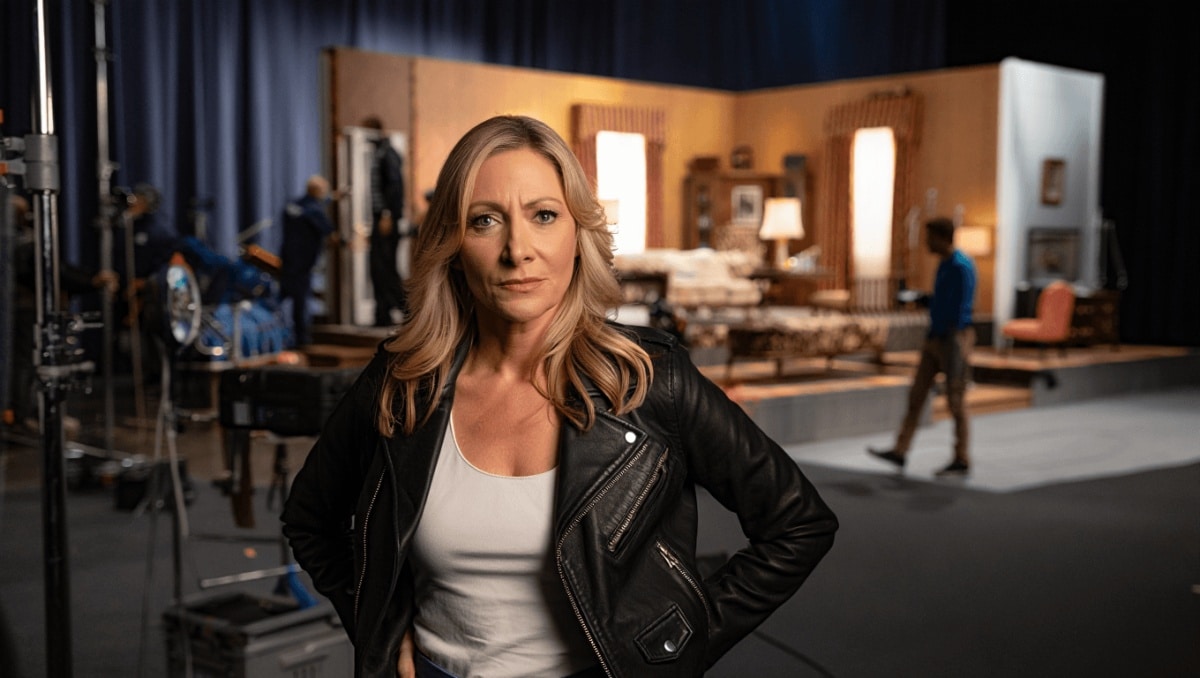
- Wider lens: The season shifts from a single-camera mockumentary to footage that often looks like traditional TV coverage.
- Generational echo: Younger performers show up as tributes and foils, underscoring how Valerie’s type is now mainstream.
AI, Labor, and a Television World That Looks Different
The series imagines a near future where writers’ and actors’ efforts are hollowed out by automation. In this alternate present, a sitcom called How’s That? relies heavily on a chatbot. The creative credits are mostly a facade, with humans pressed into public-facing roles while algorithms supply much of the script.
This plotline does more than lampoon tech hype. It asks what dignity looks like when work is outsourced to code. The show leans into that anxiety without becoming a lecture. The result is often darkly comic and occasionally unsettling.
Real-world echoes and satire that bites
- The season nods to actual debates about AI and contracts.
- It connects streaming-era realities to classic Hollywood hustles.
- Social-media fame gets treated as another precarious job.
Visual Changes: From Handheld Mockumentary to High-Def Drama
Early Comeback episodes relied on jittery cameras to sell the mockumentary conceit. Season 3 relaxes that rule. Many scenes are filmed in clean, non-diegetic style, sometimes mid-scene. The contrast feels deliberate and experimental, but it also jars.
There are moments where glossy cinematography enhances the story. At other times, it undercuts the show’s identity. Seeing Valerie in crisp high definition removes a layer of intimacy that the original format built for years.
New Stories Across the Ensemble
Season 3 spreads the narrative weight across Valerie’s circle. Her husband Mark pursues a second act on a show called Finance Guys. Billy, the ever-competitive publicist-turned-manager, tries to build his own platform. Even minor players wield agency, suggesting the industry’s dysfunction is systemic.
- Mark (Damian Young) confronts midlife reinvention.
- Billy (Dan Bucatinsky) seeks ego-salving creative control.
- Patience (Ella Stiller) represents the social-media generation on the job.
Lisa Kudrow’s Performance: Still the Series’ North Star
Kudrow co-writes and anchors Season 3 with the same knack for nuance that made Valerie compelling. When she flinches, stammers, or flashes a grin, the reaction reads as painfully human. Kudrow keeps the character from becoming a caricature even as the show occasionally leans into sentiment.
Her talent lies in subtle restraint. Small gestures, not monologues, sell the emotional stakes. That approach helps the series explore compassion within satire.
Where the Series Expands—and Where It Falters
Broadening the scope allows The Comeback to tackle contemporary anxieties. The trade-off is a loss of the tight, clinical satire that made the early seasons distinctive. Moving between mockumentary and conventional filmmaking sometimes creates tonal whiplash.
- Wins: New perspectives, larger stakes, and sharper commentary on labor and technology.
- Weaknesses: Uneven use of format changes and occasional heavy-handed praise for Valerie’s arc.
Notable Guest Turns and Industry Cameos
The season punctuates its satire with a roster of recognizable faces. Cameos function as both comic relief and industry critique. Some younger actors play adoring disciples of Valerie, reinforcing the show’s theme that a once-derided persona is now a template.
- John Early and Abbi Jacobson appear in roles that riff on generational dynamics.
- Andrew Scott plays a network executive who embodies cold, profit-driven decision-making.
- Supporting characters offer moments of tenderness that offset the satire.
How the Show Reflects Social Media and Reality TV
The Comeback acknowledges that microfame is now currency. Valerie hosts a podcast and competes briefly on reality programs. These beats underline how fame can be manufactured and recycled. The show treats those platforms as both opportunity and trap.
Smartphone footage and first-person clips appear, but never enough to make the season a full social-media experiment. That restraint often helps the series stay watchable and emotionally coherent.
Season Mechanics and Narrative Choices
The season runs eight episodes and trades some of the original series’ concentrated satire for a broader, more humane sweep. Plotlines intersect in ways that illuminate industry-wide desperation and occasional grace. The show chooses character growth over relentless mockery.
- Valerie gains production power and tries to use it responsibly.
- Supporting characters pivot to new hustles and creative projects.
- The show stages moral confrontations about AI and authorship.
The Comeback Season 3 premieres March 22 on HBO and HBO Max at 10:30 p.m. ET, with new episodes airing weekly on Sundays.










