
Show summary Hide summary
- Where the Oscar momentum started and how it changed
- The timing of the controversy that dominated headlines
- How campaign choices shaped perceptions
- Industry history: why the Academy delays crowning young men
- Why Michael B. Jordan emerged as the stronger Academy choice
- What this episode means for Chalamet’s awards strategy
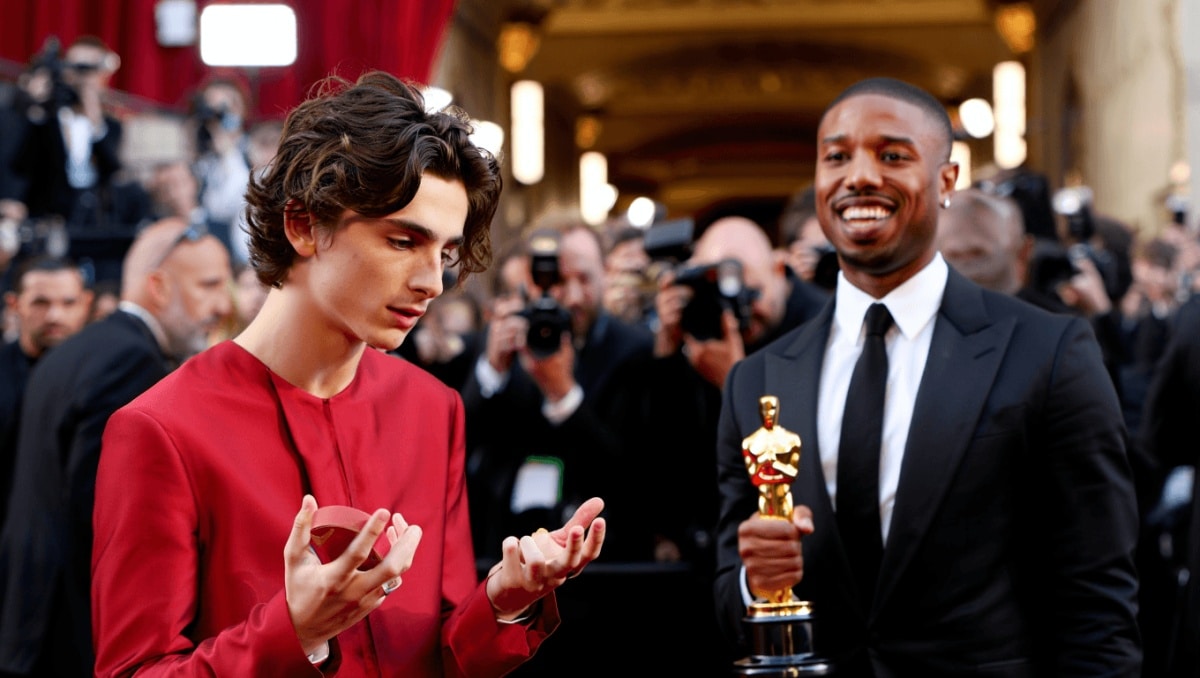
Timothée Chalamet’s bid for Oscar gold this year ended in a surprising twist as Michael B. Jordan accepted Best Actor for Sinners. What looked like a carefully steered campaign for Chalamet’s slyly comic turn in Marty Supreme instead collided with competing industry momentum, public backlash and the Academy’s long memory — leaving fans and pundits asking what shifted in the final stretch.
Where the Oscar momentum started and how it changed
Chalamet entered awards season with heavy visibility. Early wins and a high-profile press tour created the impression he was on track for the Academy’s top acting prize.
Nas slams music industry over disrespect: teases new music, vows to address it
1992 vocal performances: 3 jaw-dropping moments that still amaze
- He won at the Critics’ Choice Awards.
- He claimed a Golden Globe.
- He failed to convert that momentum at the BAFTAs and at the Actor Awards.
Those two losses mattered. The Actor Awards are chosen by performers and overlap considerably with Academy voters. In that sense, Michael B. Jordan’s victory there signaled a different trajectory than the one public narratives had promoted.
The timing of the controversy that dominated headlines
Two weeks before the Oscars, Chalamet made remarks about ballet and opera that quickly spread across social platforms and news outlets. The fallout was loud and immediate.
- The MET Opera publicly criticized the comments.
- Ballet figures, including Misty Copeland, weighed in.
- Industry voices such as Steven Spielberg joined the rebuke.
- Late-night hosts turned it into a punchline during the Oscars broadcast.
Crucially, many voters had already cast their ballots by the time the controversy exploded. Academy voting closed on March 5, the same day the remarks gained traction. That timing suggests the backlash may not have changed enough votes to flip the result.
How campaign choices shaped perceptions
Awards runs live as much offscreen as onscreen. Chalamet’s team pursued a high-visibility strategy that blended music drops, high-profile friends and stylized appearances.
Critics argued some moves felt performative and targeted. Examples included collaborations that aimed to broaden his appeal and fashion choices designed for headline moments. For certain observers, those tactics crossed from savvy to overexposed.
- Collaborations with comedians and athletes amplified his reach.
- Music releases and casual interviews created viral moments.
- Some perceived those efforts as trying too hard to court specific demographics.
That approach made Chalamet a constant presence in the conversation — which can be an asset. But overexposure can also irritate peers and voters who expect a quieter, more traditional campaign.
Industry history: why the Academy delays crowning young men
The Academy has a history of being cautious about handing its top acting prizes to young male stars. Female actors sometimes win earlier in their careers; men often wait longer.
- Adrien Brody remains the youngest Best Actor winner at 29.
- Leonardo DiCaprio didn’t win until his 40s, despite early nominations.
- Others — Joaquin Phoenix and Brad Pitt among them — won later in life.
This pattern helps explain why a 30-year-old frontrunner faces long odds. Voters often reward perceived industry longevity and a body of work, not just a single standout season.
Why Michael B. Jordan emerged as the stronger Academy choice
Jordan’s win was the culmination of steady career-building and a performance that impressed critics and colleagues alike.
- He has decades of professional credits and a reputation for versatility.
- His relationship with director Ryan Coogler has produced multiple acclaimed projects.
- Sinners showcased range and depth that resonated with industry voters.
At 39, Jordan fits the Academy’s preferred profile of a peer with demonstrated stamina and box-office credibility. That combination often outweighs a flashier, younger campaign in the final tally.
What this episode means for Chalamet’s awards strategy
The loss raises immediate strategic questions for Chalamet and his team. Will future campaigns be more restrained, or will they double down on high-energy publicity?
Possible next moves
- Refocus on craft-driven press stops and festival circuits.
- Lean into diverse roles that broaden his acting palette.
- Adopt a quieter campaign cadence to appeal to Academy sensibilities.
Chalamet still has major projects on the horizon, including Dune: Part III. How he responds to this public defeat will shape his next chapter — and determine whether the Academy sees him differently in future seasons.










