
Show summary Hide summary
- From a cassette in a diner to a cultural mainstay: the early days
- How parody evolved into a four-decade career
- Touring now: what to expect on the “Bigger and Weirder” run
- Balancing family life with a public persona
- Why fans remain devoted — sometimes obsessively
- Where to hear the full conversation with Rachel Martin
Few performers have turned parody into a sustained career the way Weird Al Yankovic has. From a DIY single pressed in the late 1970s to packed arena shows today, he has reinvented his act while keeping the same playful spirit. Ahead of his current “Bigger and Weirder” tour, Al spoke with Rachel Martin about aging onstage, fatherhood, and the intensely loyal fans who follow every step of his strange, funny journey.
From a cassette in a diner to a cultural mainstay: the early days
Al’s first single, a quirky take called “My Bologna”, began as a homemade recording. It found its way to radio and showed that parody could break through. There was no template then for longevity in novelty music. He learned as he went.
Nas slams music industry over disrespect: teases new music, vows to address it
1992 vocal performances: 3 jaw-dropping moments that still amaze
How parody evolved into a four-decade career
Staying relevant as a parody artist takes more than mimicry. Al mixes precise musical craft with sharp cultural timing.
- He studies the originals closely, matching musical tone and production.
- He picks target songs that have broad recognition.
- He balances satire with affection, avoiding mean-spiritedness.
That blend of respect for the source and clever rewrite has kept listeners returning album after album.
Touring now: what to expect on the “Bigger and Weirder” run
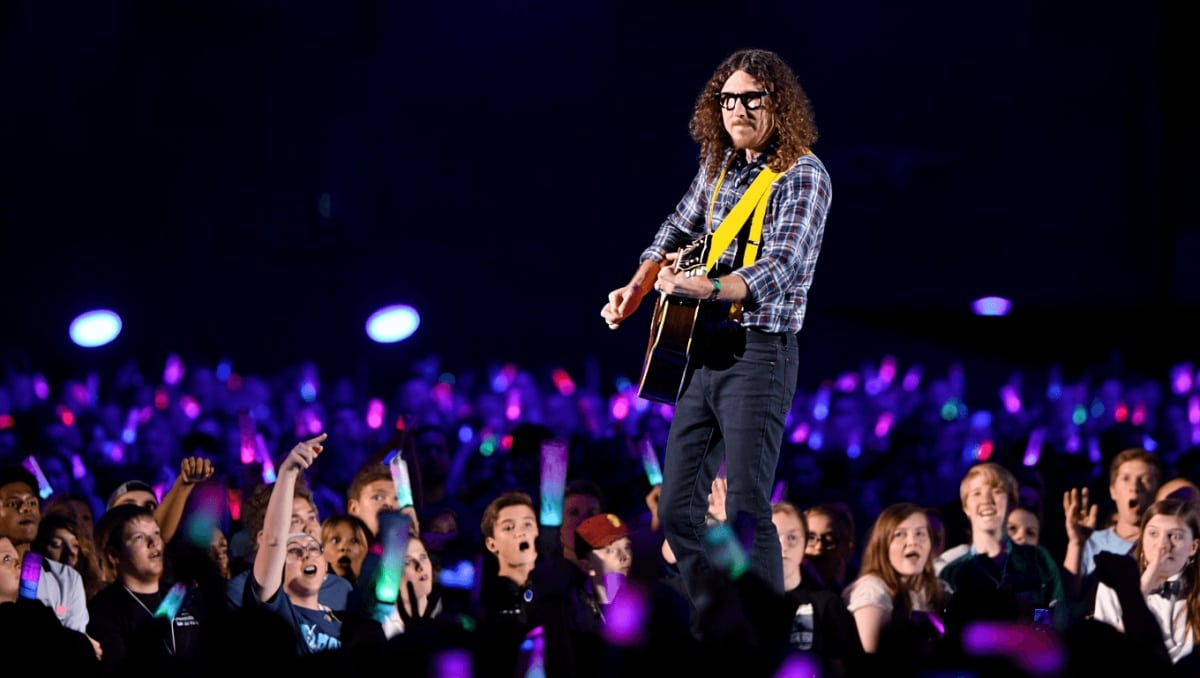
The new tour ramps up production and nostalgia. Expect elaborate costume changes, video elements, and faithful recreations of hit parodies. Al adapts his set to reach both longtime followers and new fans.
Setlist and show style
- Classic parodies alongside newer material
- High-energy staging and choreographed bits
- Multigenerational appeal — kids and parents in the same crowd
Balancing family life with a public persona
Fatherhood and aging have changed Al’s priorities. He talks candidly about making time for his family while keeping his creative engine running. The touring schedule is more considered now, and appearances are chosen with care.
He views parenthood as a grounding influence, one that shaped both his pace and his humor.
Why fans remain devoted — sometimes obsessively
Weird Al’s fanbase is famously passionate. Some collect memorabilia, others track every setlist. Their dedication stems from several factors:
- Deep affection for his body of work
- Appreciation for his musical skill
- Shared nostalgia across generations
At shows, that devotion becomes part of the spectacle. Fans create signs, dress up, and bring energy that fuels the performance.
Where to hear the full conversation with Rachel Martin
The extended interview covers his creative process and life on the road. For those who want an ad-free experience, NPR offers a subscription tier that includes sponsor-free episodes.
- Wild Card+ provides ad-free listening and supports the show directly.
- Subscribers can access exclusive content and full interviews.










