
Show summary Hide summary
- Meet Clavicular: the creator at the center of the storm
- What looksmaxxing is and why it spread online
- Self-alteration: the methods people describe
- Terms, culture, and the language of looksmaxxing
- Why appearance becomes a tool for dominance
- When aesthetic content meets political extremism
- Attention hijacking: a strategy with real consequences
- How journalists and platforms are responding
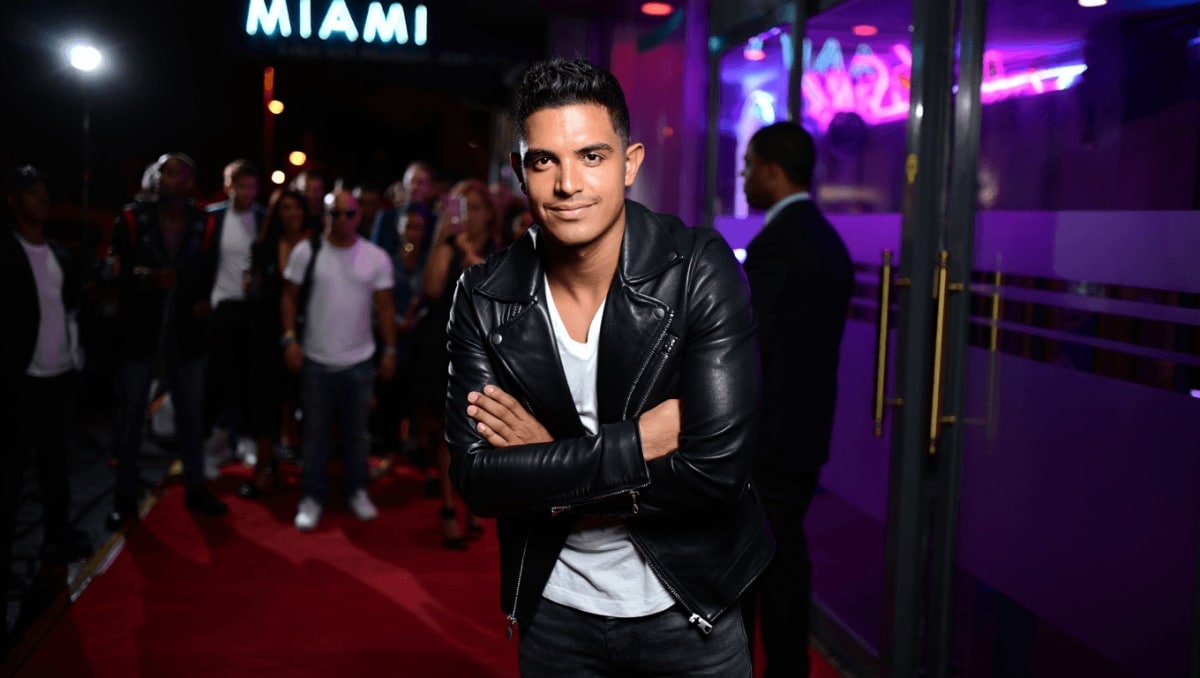
A viral cluster of clips turned an obscure online subculture into a mainstream story. A 20-year-old creator named Clavicular entered the headlines after partying with high-profile internet figures and sparking outrage with shocking moments at a Miami venue. The episode exposed how aesthetics, risky body modification, and radical online networks now collide in public life.
Meet Clavicular: the creator at the center of the storm
Clavicular is the alias of Braden Peters, a young man who grew up on niche forums that obsess over physical transformation. He began sharing content in his mid-teens. For years he stayed on the fringes.
Smashing Pumpkins reunite with legendary 90s producer Butch Vig on new Hunger Games track
U.K. terror plot: what we know and why the Gulf remains in limbo
His profile rose sharply after a string of viral videos and a controversial livestream event on Christmas Eve. Reports say he was involved in a traffic incident during that stream. Online reaction pushed him into more public circles.
What looksmaxxing is and why it spread online
Looksmaxxing is a movement focused on maximizing physical appeal. It started in small message boards. Today it reaches wider audiences through short clips and livestreams.
The core idea is simple: look better to gain social advantage. But the practices are extreme. Some participants promote surgical changes. Others endorse dangerous self-inflicted harm. The movement also borrows tools from influencer culture.
Self-alteration: the methods people describe
- Hormone use at an early age to accelerate masculine features.
- Dental and facial surgeries aimed at reshaping jaws and cheekbones.
- Substances and harmful tricks intended to hollow cheeks or define bone structure.
- Intense exercise and diet regimes that prioritize appearance over health.
Clavicular himself has publicly claimed to have used some of these methods, including early testosterone and extreme measures to change his facial structure. These accounts are widely shared and debated online.
Terms, culture, and the language of looksmaxxing
The community uses its own slang. Learning these words helps decode the content and motives you’ll see shared.
Key terms explained
- Mogging: presenting oneself as more attractive or dominant than someone else.
- Looksmaxxer: a person dedicated to improving appearance, often obsessively.
- Jestermaxxing: a lighter term meaning to be playful and charismatic as a tactic.
These phrases do more than label actions. They encode status, strategy, and group identity.
Why appearance becomes a tool for dominance
At its heart, looksmaxxing is about power. Looking superior is framed as a way to control social dynamics. For many adherents, the goal is to unsettle rivals and attract partners.
That pursuit can become performative. The public documentation of transformation amplifies social influence. The visual proof becomes a currency of dominance.
When aesthetic content meets political extremism
The movement overlaps with other online groups, including some that promote extremist ideas. Those intersections can be accidental. They can also be tactical.
High-profile nightlife footage shows how aesthetics, influencers, and radical figures can converge. When those moments go viral, they pull in attention from politicians, journalists, and city officials.
Attention hijacking: a strategy with real consequences
Creators who master spectacle can attract huge reach. They leverage shock, celebrity friends, and confrontational stunts. That makes them effective at shaping narratives.
- Viral clips force local leaders to respond.
- Sensational content amplifies fringe networks.
- Publicity can normalize or embolden extremist actors.
These dynamics matter because they turn fringe provocations into mainstream events.
How journalists and platforms are responding
Media coverage increasingly follows these viral personalities. Reporters track the ties between creators and political influencers. Platforms struggle to balance creator freedom with content moderation.
Authorities and local officials sometimes feel pressure to condemn or act after a single viral incident. That reaction can feed the creators’ narratives of influence and controversy.










