
Show summary Hide summary
- Board names Paramount’s sweetened offer the top choice
- Netflix withdraws rather than escalate a bidding war
- How the campaign played out in public and behind closed doors
- Political connections and potential influence on approval
- Regulatory roadblocks: Antitrust reviews loom large
- Why the Ellisons’ backing matters for approval odds
- Key assets at stake and what a combined company would control
- Voices from Washington and state capitals
- What stakeholders are weighing now
- Next moves that could alter the outcome
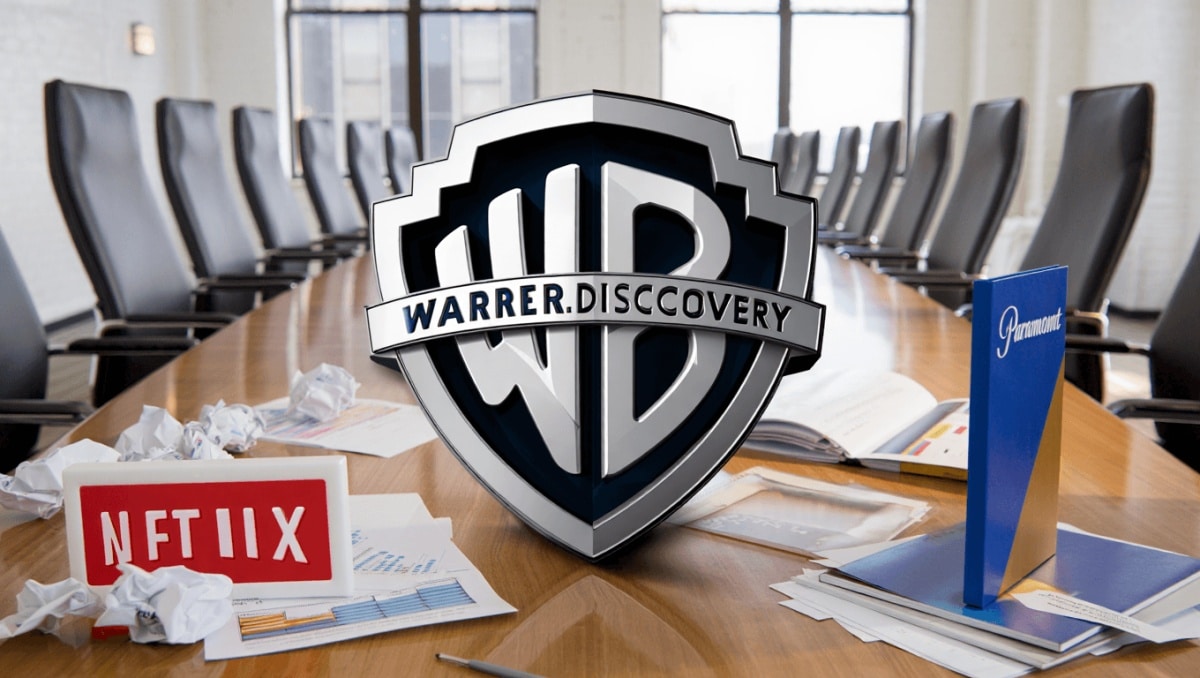
Warner Bros. Discovery’s board late Thursday declared Paramount’s improved takeover proposal the winning bid, leaving Netflix to step back from a high-stakes auction for the studio’s streaming operations, studios and content library. The decision reshapes a major media takeover battle and raises fresh questions about regulatory scrutiny, political influence and what the combined companies could mean for viewers and advertisers.
Board names Paramount’s sweetened offer the top choice
The board concluded that Paramount’s latest bid outmatched Netflix’s earlier $83 billion proposal. Insiders say the revised offer edged ahead on price and perceived certainty.
Nas slams music industry over disrespect: teases new music, vows to address it
1992 vocal performances: 3 jaw-dropping moments that still amaze
Warner’s directors cited the overall financial terms and strategic fit as the reasons to prefer Paramount’s proposal. The move ends weeks of intense negotiation and public sparring between bidders.
Netflix withdraws rather than escalate a bidding war
Rather than increase its bid, Netflix publicly declined to match Paramount’s updated terms.
The streaming giant framed the retreat as a disciplined financial call. At the price needed to top Paramount and Skydance’s package, Netflix said the deal no longer made sense.
Company leaders had argued earlier that Warner would remain an independent studio under their ownership and that theatrical releases would continue. Despite that pledge, Netflix chose not to press the contest further.
How the campaign played out in public and behind closed doors
The bidding battle mixed hard-nosed negotiation with public taunts. Netflix executives had challenged rivals to back their offers with cash, not press statements.
In turn, Paramount kept raising its bid. Earlier proposals from Paramount pursued full ownership of Warner’s media assets, including CNN, TBS and Discovery channels, in a structure valued well above initial estimates.
Hours before the board’s announcement, Netflix’s chief executive met with White House officials to press his case. Those meetings were first reported by political outlets and later confirmed by a White House official on background.
Political connections and potential influence on approval
Paramount’s proposal draws on deep-pocketed backers and ties to key political figures. The deal’s principal supporter is Oracle co-founder Larry Ellison, whose resources underpin the offer.
David Ellison, Paramount’s CEO and Larry Ellison’s son, has signaled confidence that the path to regulatory clearance in Washington would be manageable. Observers note the family’s political relationships, including interactions with conservative allies, could factor into public perception.
The deal has already been greeted favorably in some quarters. Federal officials and media figures have publicly commended management changes at CBS, a Paramount property, following recent leadership appointments.
Regulatory roadblocks: Antitrust reviews loom large
Combining two entertainment giants will trigger intense scrutiny from regulators at home and abroad.
- U.S. antitrust authorities will examine market concentration across TV, streaming, news and advertising.
- European regulators and other international watchdogs must evaluate cross-border competition impacts.
- State-level probes could add complexity; California’s attorney general has already signaled an active investigative posture.
Regulators will weigh issues such as content distribution power, advertising market leverage and news media consolidation. That scrutiny makes the transaction far from automatic.
Why the Ellisons’ backing matters for approval odds
Larry Ellison’s financial support strengthens Paramount’s bid but also draws attention to potential political dynamics around the deal.
David Ellison has been photographed alongside influential Republican figures and has been involved in media leadership decisions that have pleased conservative policymakers.
Those associations could be framed as either beneficial or problematic by regulators and politicians. Some officials have praised recent changes at CBS, while others warn that close ties between owners and political actors deserve close review.
Key assets at stake and what a combined company would control
If consummated, the merger would merge studios, streaming services and a broad array of cable networks.
- Major streaming platforms and production studios.
- Legacy broadcast and cable channels such as CBS, Nickelodeon and CNN.
- Extensive film and TV libraries, along with advertising and distribution channels.
The breadth of those assets is why antitrust authorities are expected to examine the deal carefully. The combined entity would wield substantial influence over programming and ad inventory.
Voices from Washington and state capitals
Public comments are arriving from both federal and state officials. The chair of the Federal Communications Commission praised editorial moves at CBS, while California’s attorney general issued a blunt warning.
State regulators are signaling they will be rigorous. The California Department of Justice confirmed an ongoing investigation and vowed a thorough review.
What stakeholders are weighing now
Shareholders, creditors and industry partners will shift attention to the finer points of the winning bid. Analysts say the timetable will depend on regulatory feedback and any possible litigation.
Media buyers and advertisers are already recalibrating forecasts. Creators and talent are watching contract terms and distribution plans. Consumers may not feel immediate change, but the long-term content strategy could shift.
Next moves that could alter the outcome
Several factors could still reshape the transaction:
- Regulators may block elements of the deal or demand divestitures.
- Legal challenges from competitors, states or advocacy groups could delay or derail approval.
- Further negotiating or sweeteners could emerge if parties seek to reduce antitrust concerns.
For now, Paramount’s enhanced bid stands as the board’s preferred path forward, and Netflix has stepped aside. The coming weeks will determine whether that preference can survive the scrutiny ahead.










