
Show summary Hide summary
- Medal leaders and what the totals hide
- Alysa Liu’s comeback: skating with joy and purpose
- Athletes as headline-makers: scandals off the field
- When curling cracked Canada’s “nice” stereotype
- US men’s hockey: gold, late-night celebrations, and political optics
- Ice dance controversies: judging questions and troubling backstories
- Eileen Gu: medals, market value, and a nationality debate
The 2026 Winter Games in Milan and Cortina left a lasting mix of triumph, controversy, and bizarre moments. Beyond the medal table, stories of comeback, questionable judging, late-night parties, and even alleged fraud shaped how these Games will be remembered.
Medal leaders and what the totals hide
The official rankings favored Norway at the top. But numbers don’t capture the personal dramas or scandals that unfolded.
Nas slams music industry over disrespect: teases new music, vows to address it
1992 vocal performances: 3 jaw-dropping moments that still amaze
- Norway finished with the most medals and dominated several disciplines.
- United States placed near the top, with strong showings in skating and freestyle events.
- Italy capitalized on home-ice advantage to climb the podium standings.
Medal tallies are a snapshot. They miss the human stories, the rule fights, and the odd headlines that often outlive the podium photos.
Alysa Liu’s comeback: skating with joy and purpose
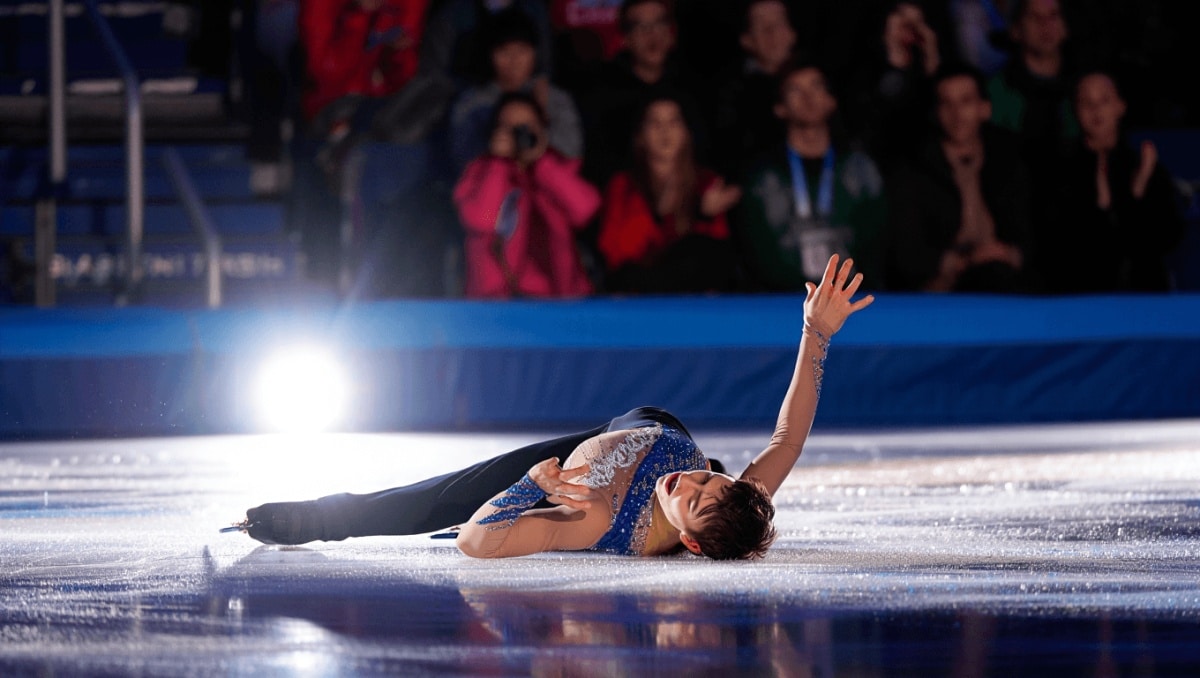
Alysa Liu returned to the ice with a different mission than chasing records. Her performance blended athletic precision with exuberant showmanship.
Age rules and safety changes
After controversy in previous Games, the sport raised its minimum age to protect young skaters. That policy shift reshaped who could compete.
Why Liu’s gold mattered
Liu’s victory felt like more than a medal. She had stepped away from elite competition to live a normal teen life, then came back saying mental health and happiness guided her decision.
- She balanced technical skill with expressive choreography.
- Her on-ice demeanor showed support for fellow competitors.
- Her win underscored the idea that sport can coexist with well-being.
Athletes as headline-makers: scandals off the field
These Games produced several off-competition stories that captured public attention as much as any gold medal.
- Participants were linked to allegations ranging from infidelity confessions to suspected credit card fraud.
- There were unverified reports of invasive procedures and debates about AI-generated music used in routines.
- Such episodes blurred the line between athletic achievement and tabloid fodder.
When curling cracked Canada’s “nice” stereotype
Canada is often painted as polite, but a curling dispute exposed more competitive and human behavior.
During round-robin play, a contested touch on a stone triggered a formal complaint. The opposing team flagged an infringement, and the incident sparked heated exchanges.
- World Curling issued a misconduct warning.
- Despite the warning, the Canadian side went on to claim gold.
- The episode reminded fans that sportsmanship and controversy can coexist.
US men’s hockey: gold, late-night celebrations, and political optics
The American men’s team won a dramatic gold, but the aftermath diverted attention from the achievement.
Who they celebrated with
Leaked videos and social media clips showed players partying with prominent political figures and taking congratulatory calls.
- An on-call call from a former president became a viral moment.
- A senior law-enforcement official’s appearance raised questions about priorities and presence abroad.
The debate focused on whether those postgame moments overshadowed a historic sporting victory.
Ice dance controversies: judging questions and troubling backstories
Fans left the ice-dance arena with mixed emotions. Some celebrated performances; others criticized the sport’s governance.
Complex personal histories behind medalists
Winners included skaters whose partnerships formed amid prior scandals and allegations tied to former partners or associates.
Scoring disputes and perceptions of bias
At least one judge’s scores diverged sharply from the panel average, fueling claims of favoritism.
- Some viewers argued that the silver medalists deserved a higher placement.
- Calls for transparency in judging resurfaced across social platforms.
Questions about accountability and fairness will linger until reforms are made.
Eileen Gu: medals, market value, and a nationality debate
Eileen Gu added more Olympic hardware and proved to be one of the Games’ most marketable stars.
Her decision to represent China rather than the country of her birth rekindled complex conversations about identity, loyalty, and global sport economics.
- Gu combined athletic dominance with brand appeal.
- Her choice of nation made her a flashpoint during heightened geopolitical tensions.
- The controversy highlighted that elite athletes can build global careers independent of their birthplace.
Public figures weighed in, and the debate showed how sport, politics, and personal ambition can collide on the world stage.










