
Show summary Hide summary
- What The Madison sets up and why it matters
- Standout performances: Pfeiffer leads, Russell comforts
- Visual craft: how Montana becomes a character
- A show split in two: healing drama versus urban caricature
- Writing issues: stereotypes and uneven character work
- How the season is structured and where it peaks
- Production choices that shape the show’s identity
- Who will find The Madison rewarding?
- Questions left open for the next season
Taylor Sheridan’s new Paramount+ drama arrives as a visually lush family saga with a stubborn split personality. One half luxuriates in wide-open Montana grief and quiet redemption. The other half attacks city life with blunt, cartoonish contempt. The result is a series that alternates between being genuinely moving and oddly earnest in its misfires.
What The Madison sets up and why it matters
The show follows the Clyburns, a family divided by geography and grief. Preston Clyburn, played by Kurt Russell, belongs to the Montana landscape. Stacy Clyburn, played by Michelle Pfeiffer, runs the New York side of the clan.
Nas slams music industry over disrespect: teases new music, vows to address it
1992 vocal performances: 3 jaw-dropping moments that still amaze
Across six episodes, personal losses, old resentments and generational differences collide. Scenes cut between riverbank quiet and busy Manhattan life. That contrast drives the story. It also becomes the series’ most controversial choice.
Standout performances: Pfeiffer leads, Russell comforts
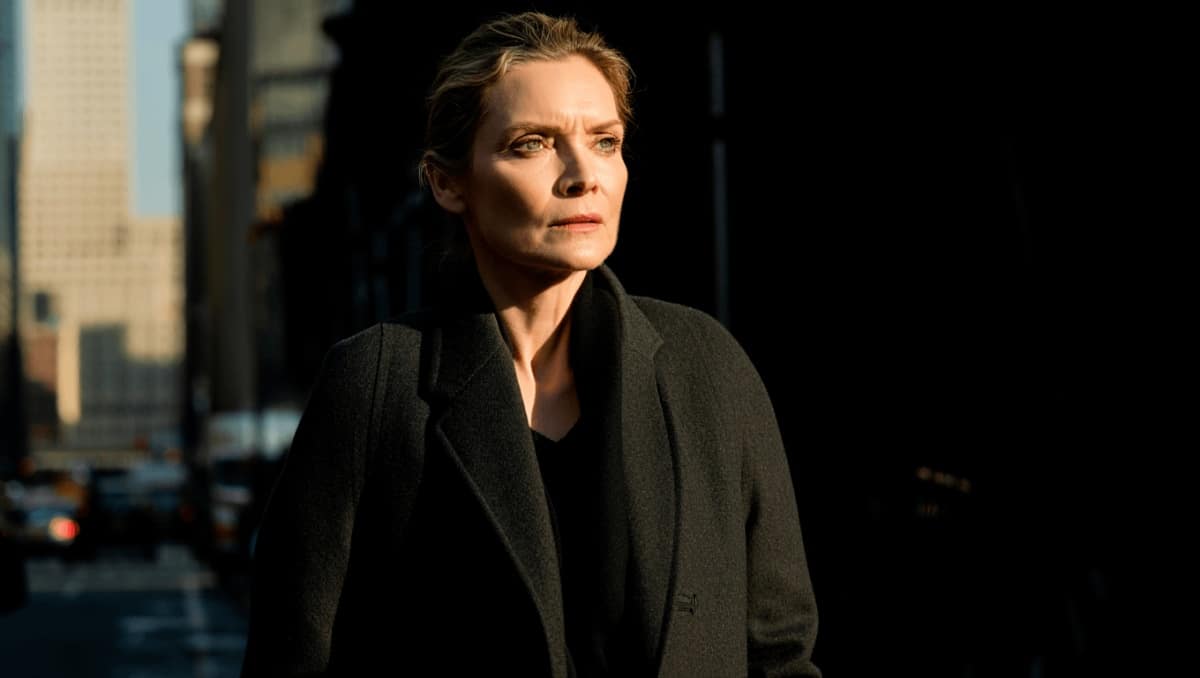
Michelle Pfeiffer anchors the series with a restrained, layered turn. She carries most of the emotional weight. In quieter scenes she reveals grief without melodrama. In louder confrontations she brings clarity and force.
Kurt Russell supplies warmth and an easy, folksy presence. His chemistry with Pfeiffer sells the show’s rural refuge as believable.
Other notable cast members
- Matthew Fox as Preston’s younger brother, a man at home in Montana.
- Beau Garrett as the eldest daughter, navigating a strained marriage and parenthood.
- Ben Schnetzer as a haunted local lawman with a tender edge.
- Patrick J. Adams as the put-upon urban son-in-law, a source of comic and sympathetic beats.
- Will Arnett in a late-season cameo as an unconventional New York therapist.
Pfeiffer’s work is the clearest reason to watch. She turns fragile moments into something quietly heroic. Russell provides the grounding counterpoint many scenes need.
Visual craft: how Montana becomes a character
Christina Voros, who directed and photographed the season, gives the show its strongest identity. The camera lingers on sunrise and river light. Frames breathe. Landscapes register as restorative forces.
Even awkwardly staged beats are often rescued by the visuals. A comic-but-cringy plot device involving a hornet sting, for example, is filmed with surprising sensitivity. Instead of exploitation, the sequence reads like a painterly study of vulnerability.
The cinematography repeatedly elevates the material. It’s the reason some of the show’s quieter moments feel cinematic rather than televisual.
A show split in two: healing drama versus urban caricature
At its best, the series is a solemn drama about grief and the way nature can help repair family wounds. These are the episodes that linger. They focus on small rituals, fishing, and conversations that carry weight.
At its worst, the series leans into broad, mocking portrayals of New York life. City characters are sometimes reduced to shorthand traits. The script resorts to snipes about manners, parenting, schools and social trends.
That tonal whiplash undermines the work done in quieter chapters. Stark contrasts make sympathetic characters feel like they exist to prove a point rather than as real people.
Writing issues: stereotypes and uneven character work
Several recurring writing problems hamper the series:
- Overly tidy binaries between “country” virtue and “city” vice.
- Caricatured antagonists who lack complexity.
- Dialog that sometimes favors sermonizing over subtlety.
- Young characters who are written as ideas more than as humans.
These choices pull viewers out of the emotional current. When Sheridan leans into the polarizing view, the show loses its nuance.
How the season is structured and where it peaks
The six-episode run feels like an extended, premium-cable pilot. The narrative finds its clearest, most affecting voice around episodes four and five.
Those middle episodes focus on grief, reconciliation and the landscape’s quiet power. They are the closest the show comes to delivering on its promise.
At other times, however, the urban subplots return with a vengeance. The series is careful about spoilers, but the pattern of family migration from New York to Montana is set early and drives much of the conflict.
Production choices that shape the show’s identity
Location work and production design matter here. New York scenes were partially filmed elsewhere, yet they still read as lived-in and detailed. Costume and set choices help mark cultural divides without being heavy-handed.
Musical scoring swells in predictable places. It sometimes heightens emotion in ways that feel earned. Other times it underscores the show’s more didactic beats.
Who will find The Madison rewarding?
Viewers who respond to slow, scenic dramas about family loss will find much to like. Fans of Pfeiffer’s craft should watch for her scenes alone. Audiences who prioritize mood and photography over tightly plotted urban realism will be rewarded.
Those sensitive to broad regional stereotyping or heavy-handed cultural commentary may find the series frustrating.
Questions left open for the next season
Paramount+ has renewed the show, but it’s unclear which path the creators will choose. Will future episodes double down on the rural healing story? Or will they continue to mix it with pointed urban critique?
The next season’s tone will determine whether The Madison can evolve into a fully realized drama or remain a promising but uneven hybrid.










