
Show summary Hide summary
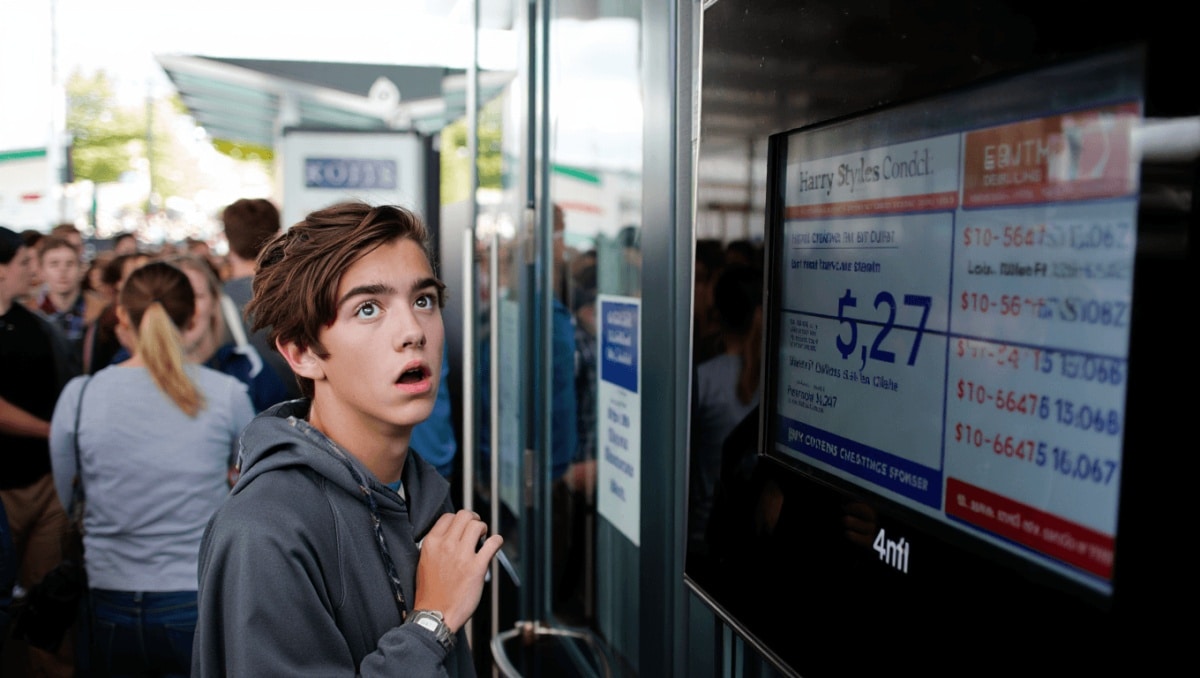
Fans are noticing sticker shock at the box office. For major acts like Harry Styles and BTS, some seats are listing for well over $1,000. That eye-popping figure is appearing not only on resale marketplaces but also at initial checkout.
Why concert ticket prices keep climbing
Ticket prices have moved from casual hobby spending to near-luxury purchases. Several factors pushed prices up after the pandemic. Promoters and artists say touring costs rose. Venues, travel, crew wages, and equipment all weigh on the budget.
Nas slams music industry over disrespect: teases new music, vows to address it
1992 vocal performances: 3 jaw-dropping moments that still amaze
- Rising production expenses: Bigger staging and more tech mean higher load-in and freight costs.
- Labor shortages and pay raises: Skilled crew and vendors left the industry during lockdowns and now command higher wages.
- Global routing costs: Touring across countries adds shipping, customs, and logistics fees.
- Fan expectations: When ticket prices increase, audiences expect premium shows, which raises costs further.
All these factors add up. When a promoter calculates the break-even point for a stadium run, face values can look surprisingly high.
How resellers, platforms, and pricing strategies influence costs
There are two markets for tickets: primary and secondary. The primary market is where the artist or promoter sets the price. The secondary market is where resellers list tickets for profit.
Primary pricing: who decides the face value?
Artists, agents, and promoters negotiate ticket tiers. They decide how many premium seats to allocate. Dynamic pricing tools can also push face values higher. Those tools adjust prices in real time based on demand.
Secondary market dynamics
Resellers and scalpers monitor demand patterns and buy inventory fast. They then relist for much more. That activity creates visible price ceilings. When fans see secondary listings of $1,000, promoters may raise face prices too.
- Resale firms: Professional buyers use bots and bulk purchases to capture high-demand tickets.
- Price signaling: High resale prices signal to primary sellers that consumers will pay more.
- Platform fees: Online marketplaces layer service charges on top of already inflated amounts.
Are artists simply chasing higher revenue?
Some observers argue stars could keep more ticket revenue if they raised face values. The logic is simple: if fans will pay thousand-dollar prices, why leave that money to resellers?
But the reality is mixed. Increasing face prices can reduce secondary market profits. It also shifts public perception. Artists must balance income with fan goodwill. Many acts justify higher prices with larger shows and enhanced production.
How laws and policies are trying to curb gouging
State lawmakers have taken note. Several states have introduced bills aimed at limiting resale markup or banning certain bot practices. The idea is to make the secondary market less profitable.
- Resale caps: Some proposals limit the price a fan can resell a ticket for above face value.
- Anti-bot rules: Legislation aims to block automated buying tools that give scalpers an unfair edge.
- Transparency requirements: Mandates would force platforms to show the true face value and fees up front.
Only a few states have passed strict caps so far. Maine stands out as an early adopter. Other states, including California and New York, have advanced bills or hearings. The debate now centers on enforcement and industry pushback.
Practical steps fans can take today
While lawmakers move slowly, fans can use strategies to reduce exposure to inflated prices.
- Join verified fan programs when available.
- Follow artist presales and official fan clubs for early access.
- Set alerts for ticket drops and verified resale windows.
- Compare fees across platforms before buying.
- Consider lower-tier seats or different markets to find better prices.
These tactics help, but they do not eliminate the core problem of an industry that increasingly treats premium live experiences as scarce, high-value goods.
Is there a tipping point for fan backlash or policy change?
Consumer frustration is rising. There are signs the political tide may be shifting. A growing number of jurisdictions are willing to debate resale caps that were once off-limits.
Ticket inflation shows no signs of easing. Yet the momentum behind legislative fixes and public pressure could change incentives. If more states pass limits, the resale market could cool.
Lobbying remains powerful. Promoters and big platforms have resisted sweeping reform. Still, the fact that multiple states now consider regulation suggests the issue is moving from niche anger to mainstream concern.










