
Show summary Hide summary
- Why ice matters in Madison: lakes at the city’s core
- Frozen Assets Festival: traditions and attractions
- From commercial ice harvesting to today’s recreation
- Signs of change: ice duration and safety concerns
- Lake Mendota’s freeze timing: a local contest and a changing trend
- This year’s conditions and how they held up
- What the day looked like: moments from the ice
- Photos and scenes visitors noticed
Madison turned its frozen lakes into a stage this month as crowds gathered for the city’s 14th Frozen Assets Festival. The event celebrated ice culture, local recreation and the water bodies that define the downtown isthmus. Attendees enjoyed old-fashioned winter pastimes while organizers and scientists flagged how the region’s winter rhythms are shifting.
Why ice matters in Madison: lakes at the city’s core
The city sits on a narrow isthmus between Lake Mendota and Lake Monona. That geography shapes daily life and winter traditions. In cold months, the lakes become public space. People skate, fish through holes in the ice, sail with kites and strap on snowshoes.
Nas slams music industry over disrespect: teases new music, vows to address it
1992 vocal performances: 3 jaw-dropping moments that still amaze
These lakes are more than scenery; they are a community resource and a center for events that draw residents and visitors alike.
Frozen Assets Festival: traditions and attractions
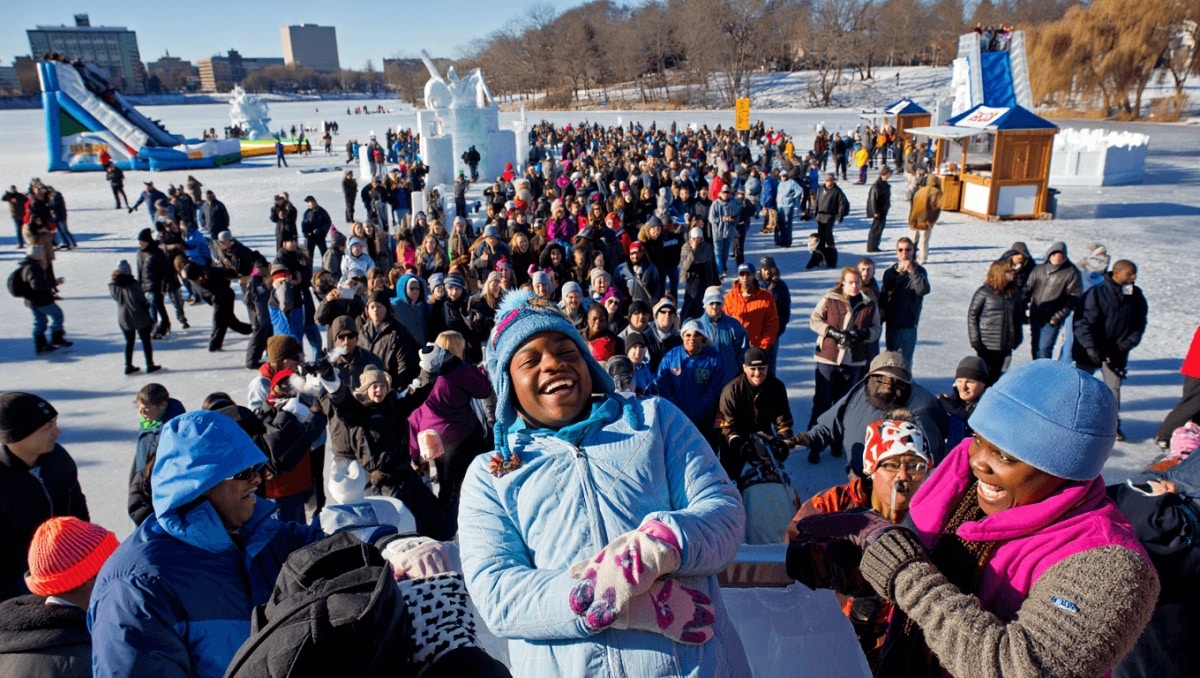
The festival, organized by Clean Lakes Alliance, marked its 14th year. It brought more than a thousand people onto the ice.
- Ice kite flying and skydiving demonstrations
- Pick-up ice hockey games
- A unique 5K race held entirely on the lake surface
- Family-friendly winter activities and on-ice vendors
Organizers emphasize connecting people with the lakes while promoting stewardship of the water.
From commercial ice harvesting to today’s recreation
The region has a deep history tied to frozen lakes. For more than a century, locals tracked freeze dates and once harvested ice commercially for storage and shipment.
Researchers at the University of Wisconsin note that those industrial uses left a legacy of records. Today, those same data help track long-term changes in lake ice patterns.
Signs of change: ice duration and safety concerns
Scientists report the ice season has shortened notably. Studies and local measurements show a decline in the number of weeks lakes remain safely frozen.
That lost month of ice affects recreation and safety. Thinner, less reliable ice raises the risk of accidents and forces event planners to adjust or cancel outdoor activities.
In 2024, unpredictable warmth forced organizers to move a planned on-ice festival program to land. Warming winters are increasing the volatility of freeze-thaw cycles.
Lake Mendota’s freeze timing: a local contest and a changing trend
Madison keeps formal records of when Lake Mendota freezes. The community even runs a contest to guess the freeze date each year.
Over time, the average freeze day has shifted later in the season. That trend feeds both local lore and scientific concern.
This year’s conditions and how they held up
In early February this year, Lake Mendota had more than a foot of ice. That allowed the on-ice festival to proceed as planned.
With solid ice, the event drew large crowds and hosted the full slate of activities. For many attendees, it was a chance to enjoy classic winter sports and celebrate the lakes that anchor their city.
What the day looked like: moments from the ice
- Kites carving bright paths across a white expanse
- Runners pacing the 5K on packed, frozen lake ice
- Teams chasing a puck in pick-up hockey matches
- Families exploring vendor booths and warming stations
Photos from the festival captured both the joy of winter recreation and the scale of the lakes in Madison.
Photos and scenes visitors noticed
The festival photo selection highlighted contrasts. Some images showed packed crowds and active sports. Others emphasized the vast, icy landscape and the skyline framed by frozen water.
Observers said the pictures also reminded them of the precarious balance between seasonal celebration and environmental change.










