
Show summary Hide summary
- Who should consider the MacBook Neo and why its price matters
- Appearance, colors, and build quality that stand out
- Core hardware: A18 Pro chip, 8GB RAM, and real-world speed
- Benchmarks, stress behavior, and practical limits
- Battery performance and multimedia experience
- Ports, storage choices, and features you won’t find
- Everyday workflows: student use, second laptops, and creative starter tasks
- How the Neo stacks up against budget PC rivals
- Key considerations before you buy
Apple’s newest entry into the laptop market promises to shake up the budget segment. The MacBook Neo pairs playful finishes and a low price with Apple hardware and software, challenging Windows alternatives under $1,000. After spending time with one, the device feels like a deliberate move to win buyers who want a polished, affordable Mac experience.
Who should consider the MacBook Neo and why its price matters
The MacBook Neo targets first-time Mac users, students, and anyone wanting a secondary device for media and casual work. Apple priced it to compete directly with mainstream Windows laptops.
Nas slams music industry over disrespect: teases new music, vows to address it
1992 vocal performances: 3 jaw-dropping moments that still amaze
- Starting price: $599.
- Upgraded model: $699 with Touch ID and 512GB storage.
- Education pricing: Eligible buyers can pay $499.
If you need heavy-duty creative tools, advanced 3D work, or local AI training, pick a MacBook Air or Pro with the latest M-series chips. For email, streaming, browsing, and schoolwork, the Neo is built to satisfy.
Appearance, colors, and build quality that stand out
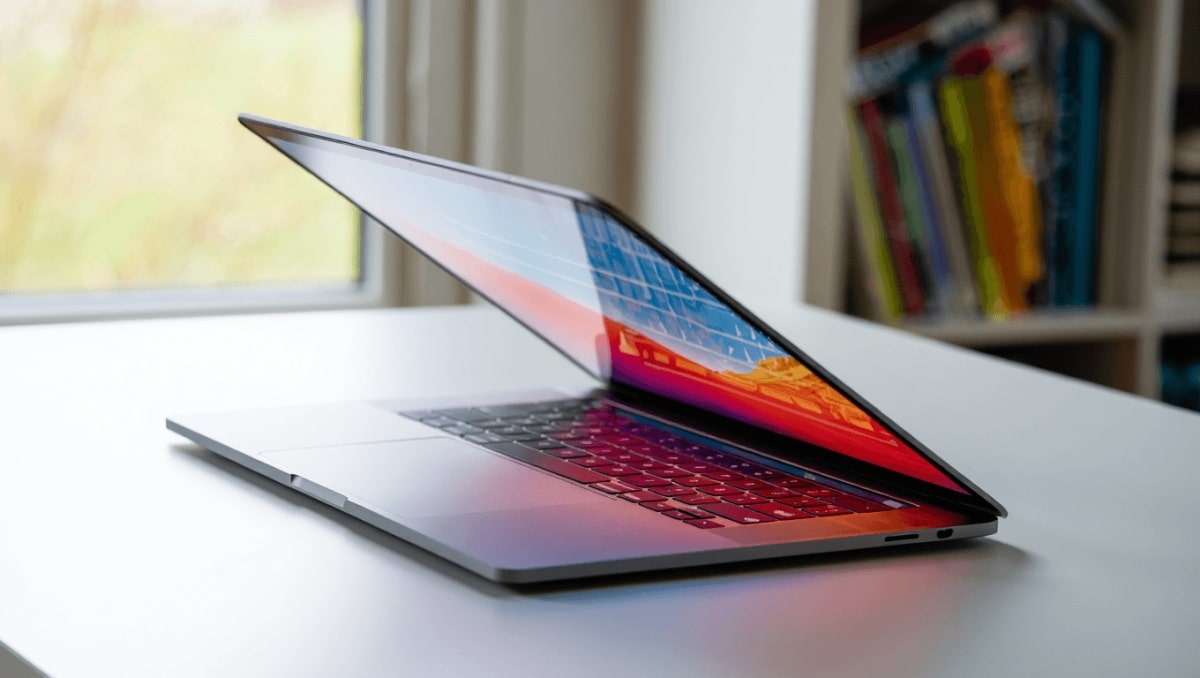
Apple brought its usual attention to design into a lower price tier. The Neo uses aluminum and arrives in a handful of lively finishes.
- Color options: Silver, indigo, citrus, and blush.
- Matching details: Keycaps and trim are color-coordinated.
- Chassis: All-aluminum shell rather than plastic.
The feel and finish elevate the Neo above common budget plastic laptops. The colors give it personality while the materials give a premium touch.
Core hardware: A18 Pro chip, 8GB RAM, and real-world speed
The Neo runs an A18 Pro system-on-chip and ships with 8GB of RAM. That combo raised questions online, but the laptop performs well for everyday workflows.
Apple optimized macOS to deliver snappy responsiveness even on modest memory. Simple video edits, multitasking with browsers and office apps, and media playback all felt smooth.
- CPU: 6-core (2 performance + 4 efficiency).
- GPU: 5-core graphics.
- Neural Engine: 16-core for on-device ML tasks.
These specs let the Neo run Apple Shortcuts, convert images, and batch-process media without stalling. The Neural Engine opens the door to future Apple Intelligence features.
Benchmarks, stress behavior, and practical limits
In benchmark runs the Neo performs respectably against mainstream laptops. It won’t match high-end M-series or flagship PC chips, but it’s capable for common tasks.
Where it struggles under load
- File-transfer bottlenecks: Lack of Thunderbolt limits transfer speeds to around 10Gb/s.
- Memory bandwidth: The A18 Pro has lower memory throughput than M5 chips.
- Multitasking during large transfers: Moving big video files can slow background tasks.
During heavy import/export jobs, the Neo showed its limits. For daily schoolwork and streaming, those limits are unlikely to be a problem.
Battery performance and multimedia experience
Apple advertises “all-day” battery life for the Neo. Independent testing from our session measured roughly 14 hours and 50 minutes in a video rundown scenario.
The 13-inch Liquid Retina panel brings vivid color and sharp detail, with up to 500 nits of brightness and a 2,408 x 1,506 resolution. Apple also upgraded audio with side-firing speakers and Dolby Atmos support, boosting its role as an entertainment machine.
Ports, storage choices, and features you won’t find
To hit its price point, the Neo removes several premium components. Buyers should weigh these trade-offs.
- No Thunderbolt 4 support. Only one USB-C 3 and one USB-C 2 port.
- Single external display support.
- No 12MP Center Stage camera; it uses a 1080p FaceTime HD camera.
- No True Tone display tech and no fast-charging.
- Base model: 256GB storage and no Touch ID.
- Upgraded model: 512GB and Touch ID for $699.
- Magic Keyboard without the usual backlighting and a different trackpad feel.
These omissions matter most to power users or those who need fast external storage and multiple monitors.
Everyday workflows: student use, second laptops, and creative starter tasks
The Neo shines as a primary machine for students or a secondary device for people who already own a more powerful laptop. It also makes a compelling replacement for the common “party laptop.”
- Perfect for streaming, web browsing, writing, and Zoom calls.
- Great for photo edits and simple video projects using Final Cut Pro.
- Pairs seamlessly with iPhone and iPad for AirDrop and cloud syncing.
Shortcuts and automation ran efficiently in testing; batch image conversions and short video transformations completed quickly. Apple Intelligence features could broaden those capabilities further.
How the Neo stacks up against budget PC rivals
Compared with mainstream Windows alternatives, the Neo offers several advantages. The aluminum build, color options, and macOS cohesion are strong selling points.
- Price competitiveness versus laptops like the Acer Aspire 16 AI.
- Better build quality and louder, clearer speakers on the Neo.
- macOS integration with iCloud, iPhone, and iPad ecosystems.
For buyers focused on value, the Neo makes a persuasive argument in this segment.
Key considerations before you buy
- Ask how you plan to use the laptop daily.
- If you need heavy multitasking and fast external transfers, consider an M-series Mac or a higher-end PC.
- If you want a polished macOS experience at a low price, the Neo is worth trying.
Availability could be limited at launch, and the $499 education price point will attract students and schools. If storage, ports, or advanced performance matter, budget your expectations and compare configurations carefully.










