
Show summary Hide summary
- Plot in plain terms: tanning, debt and escalating danger
- Where the comedy meets crime: tone and influences
- Cast highlights: leads who ground the absurd
- Setting and production: Sydney as lived-in backdrop
- When jokes collide with shocks: memorable set pieces
- Performance notes: what the actors bring
- Structure and pacing: where the show stretches and snaps
- Comparisons, genre peers and unique quirks
- Expectations for fans and next steps
When two Midwestern siblings decamp to Sydney with a spray-tan startup, small-time hustle bends toward blood and farce. Hulu’s Sunny Nights mixes awkward heart, brutal comedy and outlandish crime in an eight-episode run that lands somewhere between affection and chaos.
Plot in plain terms: tanning, debt and escalating danger
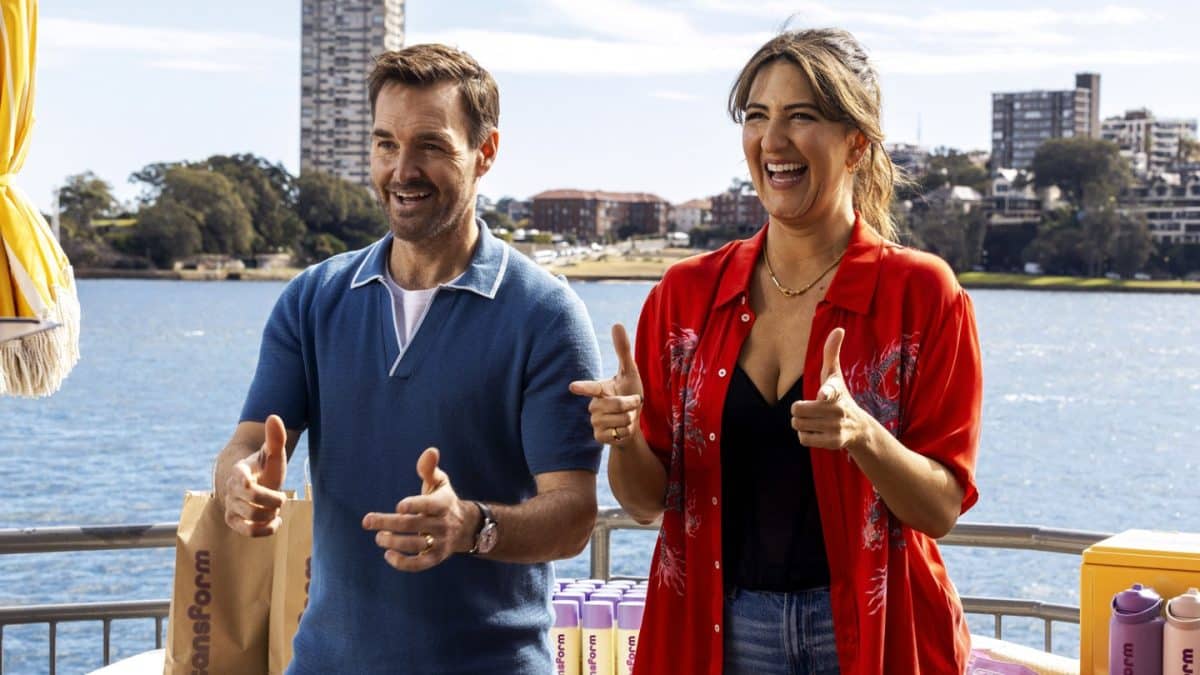
Martin and Vicki Marvin leave Indiana to sell Tansform, a maqui-berry spray tan. Their pitch is earnest, their lives are messy, and their American dream unravels beneath the Australian sun.
Nas slams music industry over disrespect: teases new music, vows to address it
1992 vocal performances: 3 jaw-dropping moments that still amaze
- Martin, a former risk analyst, is trying his first real gamble.
- Vicki is the family rebel, with a record of petty crimes and a hunger for respect.
- Joyce, Martin’s wife, has returned to Australia and works as a clickbait journalist.
- Complications arrive in the form of a honey trap, local criminal crews, and a cast of oddball allies.
The siblings’ motel base, a shabby pink place called Sunny Nights, becomes ground zero for alliances, betrayals and a string of bizarre incidents. Blackmail and a shocking act of violence push them from hopeful entrepreneurs to survival mode.
Where the comedy meets crime: tone and influences
The series wears its debt to dark-comedy predecessors on its sleeve. Early scenes invite comparisons to Breaking Bad, though Sunny Nights quickly follows its own comic instincts.
Think of it as kin to recent shows that blend laughs with sudden brutality. It shares DNA with Peacock’s Killing It and Hulu’s Deli Boys. It also nods to Mr. Inbetween and other Australian-tinged crime comedies.
The point of the violence is often satirical. Physical pain and petty capitalism sit side by side. The show treats consumer culture as another ruthless antagonist.
Cast highlights: leads who ground the absurd
Will Forte and D’Arcy Carden anchor the series as Martin and Vicki. Their chemistry sells both the tenderness and the awkward edges of the sibling bond.
- Will Forte plays the often bewildered Everyman.
- D’Arcy Carden brings chaotic, sympathetic energy to Vicki.
- Ra Chapman appears as Joyce, adding an emotional axis to the plot.
- Jessica De Gouw plays Susi, a catalyst for the darker plot turns.
- Willie Mason, Rachel House and others populate a lively Australian supporting cast.
Megan Wilding’s Nova steals moments as an animal-control worker turned amateur reporter. Her arc becomes a moral counterweight in a cast of compromised choices.
Setting and production: Sydney as lived-in backdrop
The show leans into local texture rather than tourist clichés. Bondi sand, Tim Tam references and an Indigenous-heavy casting give Sunny Nights a sense of place.
Created by Nick Keetch and Ty Freer, the season was mainly directed by Trent O’Donnell. The series premiered in Australia on Stan before arriving on Hulu for American audiences.
Visually and tonally, the production avoids postcard shots of Sydney. The city feels functional, sometimes gritty, and often the stage for awkward cross-cultural collisions.
When jokes collide with shocks: memorable set pieces
Sunny Nights punctuates comedy with unsettling physical moments. The show doesn’t shy from gross or violent beats.
- Tooth extraction used as punitive theater.
- Waterboarding and branding scenes that land with dark humor.
- An absurd exploding-crocodile mystery that threads through one storyline.
These incidents contrast with mundane capitalist troubles. The siblings fear loan officers and rival marketing schemes as much as criminal reprisals. That tension fuels much of the satire.
Performance notes: what the actors bring
Forte avoids broad schtick and aims for human warmth. Carden’s Vicki is louder, sharper and emotionally raw. Both choices let the comedy land without feeling hollow.
Jessica De Gouw excels in a role unburdened by an American accent. Willie Mason brings a textured presence to his first major screen turn. Rachel House supplies a steady threat as a volatile antagonist.
Megan Wilding emerges as a quiet revelation. Nova’s energy often redirects the plot and supplies the show’s most honest moral clarity.
Structure and pacing: where the show stretches and snaps
The eight hour-long episodes allow character beats to breathe. At times, the series feels overextended.
- Midseason episodes repeat debt-and-threat cycles.
- Some arcs could land tighter in half-hour formats.
- The finale stretch trades comic levity for darker, more ominous setups.
The middle of the season stalls in places. Still, the closing episodes regain momentum with rising peril and sharper cynicism.
Comparisons, genre peers and unique quirks
Sunny Nights lives among a wave of shows that mix crime with cringe comedy. It is neither the sharpest nor the rawest in that group.
- It borrows the structural idea of ordinary people turned criminal from Breaking Bad.
- It shares humorous brutality with Killing It and Deli Boys.
- It echoes Deadloch in pairing mystery with comic discomfort.
Yet the series finds small original notes. The maqui-berry tanning business and the motel base give it a distinct groove. The Australian cast and setting keep the tone fresh.
Expectations for fans and next steps
Viewers who like morally messy comedies will find plenty to enjoy. Fans of performance-driven dark comedy should pay attention to the leads and the supporting ensemble.
Plot threads and character dangers are left in play for future episodes. The show ends by tightening its teeth rather than softening them, hinting at darker turns ahead.










