
Show summary Hide summary
- How a $111 billion deal would reshape Hollywood and streaming
- Who is behind the bid — and why their backing matters
- Political ties and influence: the Oval Office factor
- Antitrust, regulators and legal hurdles ahead
- What ownership changes could mean for newsrooms
- Data and AI: the strategic value hiding behind the headlines
- Financial realities and market risks for a merged giant
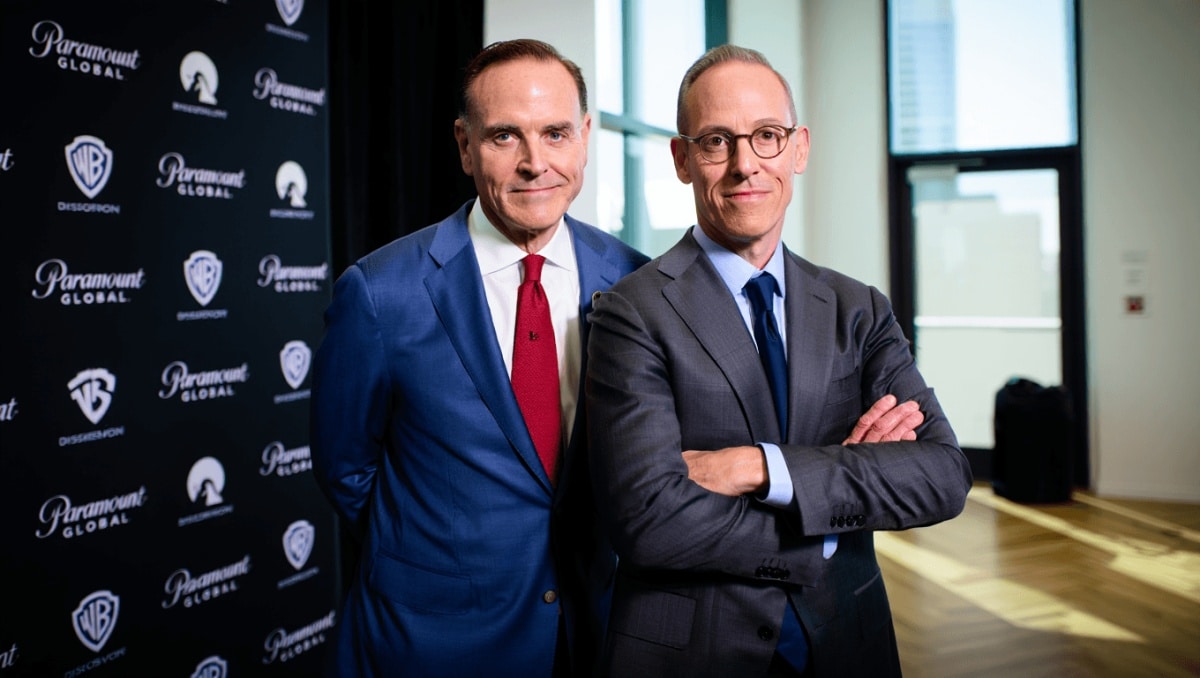
The surprise acceptance of Paramount Skydance’s takeover bid for Warner has sent shock waves through Hollywood and Washington. What looks like a consolidation of studios and streaming platforms also raises questions about political influence, data control and the future of newsrooms.
How a $111 billion deal would reshape Hollywood and streaming
The proposed merger would fold massive libraries and franchises under one roof. Hit properties from both sides would now sit together.
Nas slams music industry over disrespect: teases new music, vows to address it
1992 vocal performances: 3 jaw-dropping moments that still amaze
- Studios combined: major film and TV catalogues unite.
- Streaming platforms merged: Paramount+ paired with HBO Max.
- Broadcast and cable outlets in one group: CBS and CNN under the same corporate umbrella.
Executives argue scale is necessary to compete with Netflix, Disney and Amazon. Yet the transaction carries heavy debt. The business model of cable is shrinking as viewers move to streaming.
Who is behind the bid — and why their backing matters
David Ellison leads Paramount Skydance, but the financing comes chiefly from his father, Larry Ellison. Larry co-founded Oracle and ranks among the world’s wealthiest people.
Oracle’s technology reach, plus Larry Ellison’s recent investments in U.S. TikTok operations, change the stakes. This is not just a media bet. It’s a move that ties content assets to deep-pocketed tech infrastructure.
Political ties and influence: the Oval Office factor
The Ellisons have cultivated connections in Washington. Those links now complicate review of the deal.
- White House access: public appearances and meetings with influential figures.
- Support from some regulators and advisers has been noted.
- Critics warn of policy tilt if media outlets fall under owners aligned with the president.
Senators and activists have weighed in. Some call for close oversight. Others raise concerns about how ownership might shape news coverage.
Antitrust, regulators and legal hurdles ahead
The merger is far from final. U.S. and European regulators can block the transaction. State attorneys general may also intervene.
Legal experts say courts and enforcement agencies have discretion when deciding to challenge deals. That discretion will determine how far the process goes.
Key players to watch:
- U.S. Department of Justice — may bring antitrust challenges.
- Federal Communications Commission — limited role but influential advisers could weigh in.
- State-level officials — including California’s attorney general — who promise scrutiny.
What ownership changes could mean for newsrooms
News organizations under the new company would face shifts in leadership and editorial approach. Recent moves at CBS offer a preview.
- New editorial hires and acquisitions signal a tilt in perspective.
- Promises made during earlier sales included changes to diversity programs and new oversight roles.
- Staff departures and internal unease have followed newsroom reorganizations.
CNN’s future is a particular flashpoint. The network has seen repeated cost cuts and could be reshaped again under a new ownership structure.
Data and AI: the strategic value hiding behind the headlines
Analysts say the real prize may be audience data. Streaming platforms and social apps collect granular information on viewing and purchasing habits.
Oracle’s push into artificial intelligence amplifies the appeal of such data. Combining content with AI and advertising could create new commercial leverage.
- Content catalogs drive subscriptions and retention.
- Streaming platforms provide viewer behavior signals.
- TikTok and social properties add short-form engagement and ad targeting data.
- AI capabilities can turn that data into marketing and product insights.
Together, these assets could deliver detailed consumer profiles at scale.
Financial realities and market risks for a merged giant
The merged company would inherit large debt and face a shifting market. The film and TV businesses remain costly to operate.
Streaming competition is fierce. Netflix briefly pursued the asset, but stepped back after late-stage talks. Market watchers question whether consolidation will deliver the returns investors expect.
Critics also warn of broader consequences. Some lawmakers argue a small group of aligned billionaires could dominate what Americans watch and how news is presented.
Voices of opposition include politicians, media watchdogs and commentators who point to the concentration of media power and potential threats to independent journalism.










