
Show summary Hide summary
- What the scene looked like near the Guthrie home
- Why true-crime influencers descended on the case
- How the streaming economy changed the investigation’s perimeter
- Behavior patterns: speculation, interaction, and misinformation
- Comparing influencers to cable news coverage
- Voices on the ground: a journalist’s report from Tucson
- The ethics and risks of crowd-driven sleuthing
- The incentives keeping creators at the scene
- Small-town investigation, national scrutiny
Tucson’s quiet streets were transformed into a digital stage after Nancy Guthrie vanished. Reporters and bystanders have moved on, but a persistent band of online creators remain. They livestream, analyze footage, and invite millions of viewers into a slow-moving investigation that officials say remains active and unresolved.
What the scene looked like near the Guthrie home
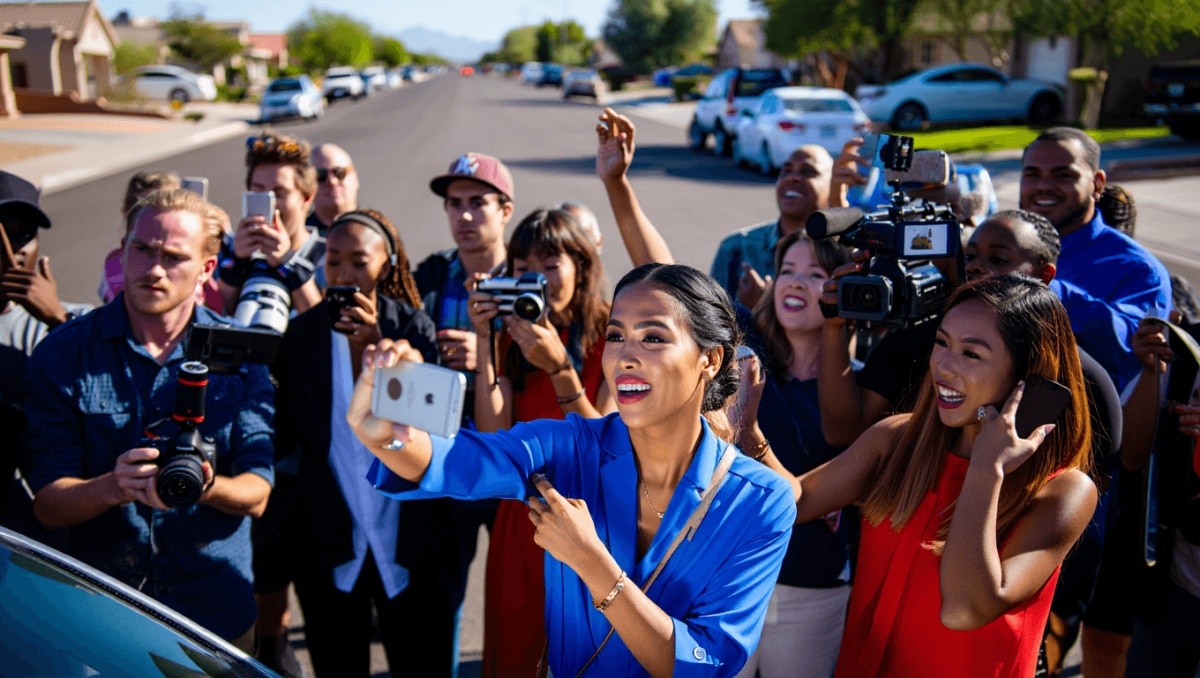
Visitors describe rows of parked cars and clusters of people filming in front of a modest house. There were no police barricades blocking access. Drones hovered above. Some local reporters stayed a while, then left when resources were reallocated.
Nas slams music industry over disrespect: teases new music, vows to address it
1992 vocal performances: 3 jaw-dropping moments that still amaze
- Ordinary neighborhoods turned into spots for round-the-clock streaming.
- Amateur sleuths set up cameras facing the property.
- Large audiences tuned in to watch static shots and live chats.
The atmosphere mixed solemn curiosity with performative coverage. For many observers, the lines between reporting and entertainment blurred quickly.
Why true-crime influencers descended on the case
There are several reasons creators chose to focus on this disappearance. One is the high public profile of Savannah Guthrie, which amplified interest. Another is the appetite for live, participatory content.
- Celebrity connection increases attention.
- Live-stream formats produce strong engagement.
- Viewers enjoy interacting and contributing theories in real time.
As one critic noted on a popular podcast, the mix of fame and distrust of institutions is fertile ground for independent investigators online. Some audiences prefer a hands-on, crowd-sourced approach to follow-up and commentary.
How the streaming economy changed the investigation’s perimeter
Influencers turned a private home into a virtual gathering place. Some creators posted long, unbroken feeds. Others narrated speculation and polled their audience on key points.
Top streamers drew tens of thousands of live viewers. Many viewers tuned in to pass time, feel connected, or take part in theory-building.
- Static cameras trained on the property for hours.
- Live chats circulated rumors and potential leads.
- Creators sometimes set up overnight shifts to maintain constant coverage.
Behavior patterns: speculation, interaction, and misinformation
Not all of the coverage was investigative in a traditional sense. Plenty of streams encouraged wild conjecture. Hosts would run polls and invite viewers to respond to official statements.
That dynamic encouraged a feedback loop. The audience supplied theories. Creators amplified the most sensational ideas. Even when authorities publicly eliminated family members as persons of interest, some streams kept those theories alive.
- Polling viewers on sensitive matters.
- Repeating unverified tips from social platforms.
- Shifting focus from evidence to personality-driven narratives.
That approach can have real-world consequences. People named or implied in rumors can face harassment or reputational harm, even when law enforcement has ruled them out.
Comparing influencers to cable news coverage
On the surface, influencers and mainstream outlets behaved similarly. Both set up near the scene and awaited official updates. Both sought audience engagement. Yet their incentives differ.
- Cable news operates within editorial norms and verification processes.
- Streamers rely on immediacy and audience interaction to keep viewership high.
- Monetization models reward longer watch times and repeat visits.
Some creators acknowledged they would inevitably get things wrong. They framed speculation as part of the entertainment value of true-crime content. That rationale sits uncomfortably with journalists who stress verification.
Voices on the ground: a journalist’s report from Tucson
Slate writer Luke Winkie described the scene on the Today, Explained podcast. He said many influencers were not conducting formal investigations. Instead, they cultivated dedicated audiences who preferred staying tuned to a live feed.
Winkie compared the town’s mood to a public spectacle. He noted how even seemingly trivial moments—like when a sheriff left for a workout—were turned into discussion points on streams. For some viewers, those small details fueled doubt about official competence.
The ethics and risks of crowd-driven sleuthing
There is a clear tension between public interest and harm. Crowd-sourced investigation can surface useful tips. It can also amplify false leads and target innocent people.
- Pros: rapid sharing of potential evidence; wider public engagement.
- Cons: unchecked speculation; doxxing and harassment risks.
Experts warn that unverified theories can derail official work and damage lives. They stress the importance of deference to law enforcement and careful fact-checking.
The incentives keeping creators at the scene
Monetary incentives and attention metrics help explain why creators stayed. Live audiences produce ad revenue and donation income. The longer a stream runs, the more viewers it can attract.
- Monetization through ads and donations.
- Audience growth and sustained engagement.
- Perceived authority among true-crime followers.
Some influencers rationalized mistakes as part of the creative process. They argued that exploring theories, even if later debunked, is intrinsic to true-crime content. That admission unsettles journalists who see it as a license to spread rumor.
Small-town investigation, national scrutiny
What began as a local sheriff’s inquiry has become a national media moment. The presence of influencers expanded the story beyond traditional news cycles. It invited a new form of collective investigation and speculation.
Officials say the case remains active, and they continue to follow leads. For now, the online spectacle keeps evolving, with creators and audiences shaping what millions see as the public record.










