
Show summary Hide summary
- A haunted twin story set in Minakami Village
- How the Camera Obscura shapes every encounter
- When tension becomes frustration: the aggravated wraith problem
- Visuals, lighting, and sound that sell the nightmare
- What to expect from length, endings, and replay
- Pros, cons, and how the remake handles the source material
- Tips for new players diving into Minakami Village
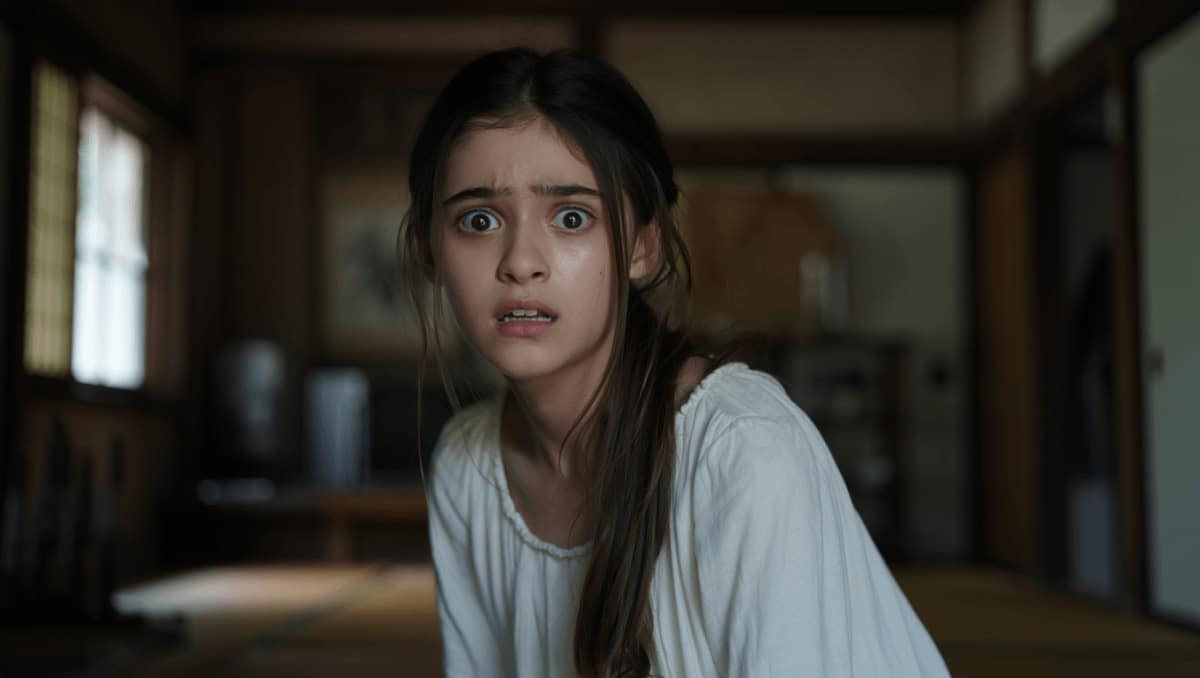
Japanese horror has a way of burrowing under your skin and refusing to leave. Playing Fatal Frame II: Crimson Butterfly REMAKE felt like stepping into that slow, uncanny dread — beautiful, unsettling, and at times infuriating in equal measure.
A haunted twin story set in Minakami Village
The game follows twins Mio and Mayu Amakura as they wander into Minakami Village. The place is trapped in perpetual night and haunted by past rituals gone wrong. From the first steps, the village feels alive in a malignant way.
Nas slams music industry over disrespect: teases new music, vows to address it
1992 vocal performances: 3 jaw-dropping moments that still amaze
The narrative leans on classic J-horror themes: guilt, trauma, and tangled dependence. Twins, ritual sacrifice, and a repeating night form the core mystery.
- Setting: Minakami Village, a looping nightmare of fog and candlelight.
- Antagonist: Sae Kurosawa, the spirit at the center of the curse.
- Structure: Multiple endings tied to late-game choices and difficulty.
The remake also adds optional side quests that expand village lore and introduce other trapped souls. These optional tales deepen the world and reward exploration.
How the Camera Obscura shapes every encounter
The Camera Obscura is your sole defense and the heart of combat. The remake modernizes the mechanic with zoom, focus, and interchangeable lenses. Each lens brings unique abilities and special shots.
Players balance two key meters: health and a new Willpower gauge. Proper timing — waiting for the camera’s flash — turns danger into healing. This creates a tense push-and-pull between risk and reward.
Combat elements to know
- Zoom and focus affect shot strength and range.
- Special lenses grant unique effects on spirits.
- Timing a Fatal Frame shot restores Willpower.
That mechanic forces you to let enemies get close, which builds dread. It’s a distinct loop that makes each successful shot feel meaningful.
When tension becomes frustration: the aggravated wraith problem
Combat brilliance is undercut by an inconsistent aggravated wraith system. Enemies can enter an enraged state that heals and hits harder. The triggers for this state are inconsistent.
Sometimes a spirit will go aggro after a single shot. Other times it won’t until much later. That randomness turns drawn-out fights into endurance tests rather than skill challenges.
The most aggravating moments come during longer encounters. What should be a climactic kill can devolve into repetition, eroding the horror rather than amplifying it.
- Aggravated states restore enemy health unexpectedly.
- There is little feedback to warn players this can repeat.
- Inconsistent triggers punish players despite good technique.
Visuals, lighting, and sound that sell the nightmare
Team Ninja rebuilt the game with striking fidelity to J-horror aesthetics. The lighting treatment is exceptional. Pockets of candlelight fight an overwhelming darkness that feels almost tactile.
The game uses minimal melodic scoring. Instead, an ambient drone and environmental noises anchor every scene. Floorboards creak, wind whispers, and the village itself becomes your soundtrack.
- Art direction: Washed-out cutscenes and degraded palettes echo early-2000s J-horror cinema.
- Sound design: Subtle audio cues and sudden loud impacts create constant unease.
- Character touches: Simple mechanics, like holding Mayu’s hand, add emotional weight.
On PS5 the build ran smoothly in my playthrough. Performance rarely interrupted the mood, which is crucial for a title that trades on immersion.
What to expect from length, endings, and replay
A typical run sits near 10 hours, stretching to 12–14 with careful exploration and breaks. The original release featured multiple endings; the remake preserves those and tacks on an additional route.
- Endings depend on late-game choices and difficulty.
- Some endings require replaying on higher difficulty in older versions.
- Optional missions expand story context and collectibles.
The game rewards curiosity but also punishes a rushed approach. Expect to spend time piecing together rituals, notes, and side tales to fully understand the curse.
Pros, cons, and how the remake handles the source material
The remake honors the original rather than smoothing its edges away. The result feels truer to the source and more vividly realized.
- Pros: Powerful atmosphere, gorgeous lighting, and top-tier sound design.
- Cons: Combat can feel unfair at times due to unpredictable mechanics.
- Faithfulness: The remake amplifies the original’s identity instead of erasing it.
For players who value mood and dread, the game delivers on an almost suffocating level. For players seeking consistently fair action, the combat systems may grate.
Tips for new players diving into Minakami Village
- Take your time exploring. Optional stories enrich the main plot.
- Learn lens effects early to adapt to different spirit types.
- Brace for close-quarter shots — the Camera Obscura rewards guts.
- Save often and expect some sections to require patience.
Small choices in playstyle alter the experience significantly. Playing cautiously can heighten dread; playing aggressively can expose mechanical roughness.










