
Show summary Hide summary
- What the Rikers interview reveals about Weinstein’s demeanor
- How the conversation was framed and filmed
- Key statements and their legal implications
- Reaction from survivors, lawyers and the public
- Context: Weinstein’s legal journey and where he stands now
- Voices from inside Rikers and corrections experts
- Media ethics: Why networks weigh the risks of airing such material
- What critics say about platforming convicted figures
- Where researchers and journalists will look next
- How this interview fits into larger conversations about power and accountability
- Practical takeaways for readers tracking this story
Harvey Weinstein’s first on-camera remarks from Rikers Island have reignited debate about power, accountability and the prison system. The recorded exchange, aired in segments, mixes defiance, regret and legal maneuvering. Viewers and legal observers are parsing every line for what it reveals about Weinstein’s state of mind and the broader fallout from his convictions.
What the Rikers interview reveals about Weinstein’s demeanor
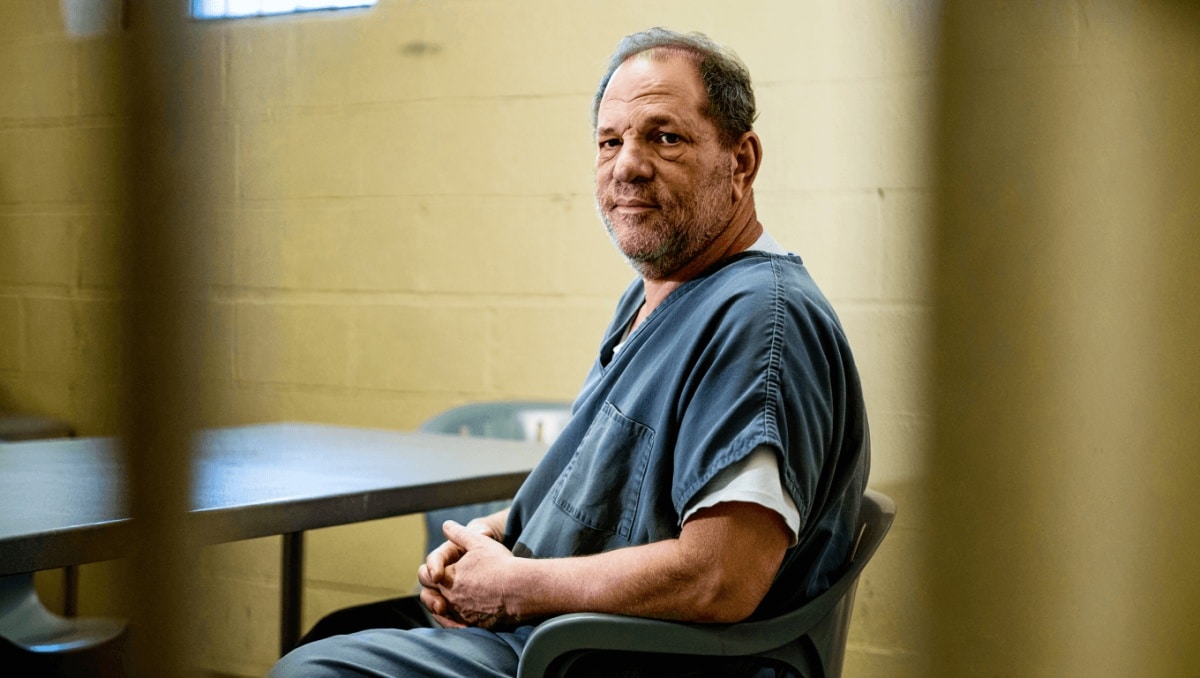
The setting is stark: a visitor room, microphones, and a man who once shaped Hollywood narratives. Weinstein speaks with a controlled voice. At times he appears defensive. At others, reflective.
Nas slams music industry over disrespect: teases new music, vows to address it
1992 vocal performances: 3 jaw-dropping moments that still amaze
- Calm delivery: He avoids raised voices and some profanity, choosing measured answers.
- Deflection: He often pivots to questions about media coverage and the legal process.
- Admission and denial: He acknowledges aspects of his past behavior while denying criminal intent in specific allegations.
How the conversation was framed and filmed
Journalists and producers conducted the interview under strict prison rules. Recording equipment stood outside the usual film sets Weinstein once commanded.
Logistics and permissions
- Rikers officials approved a limited time and location for the interview.
- Legal teams for both sides monitored the exchange.
- Producers edited footage to underline key moments.
Editorial choices that shaped public perception
Editing decisions determined the sequence of revelations. Producers selected clips that highlighted conflict and emotion. That selection fuels both empathy and outrage.
Key statements and their legal implications
Certain lines from the interview have prompted renewed legal scrutiny.
- Comments about specific accusers have been parsed for admissions.
- References to timelines and locations are being cross-checked with court records.
- Statements about remorse could influence appeals or parole discussions.
Legal analysts caution that televised remarks rarely substitute for court testimony. Still, the interview acts as an uncontrolled forum for statements that may be used in future proceedings.
Reaction from survivors, lawyers and the public
Responses were immediate and divided. Survivors’ advocates described the interview as an unsettling reminder of trauma. Some legal commentators focused on strategy.
- Advocacy groups called for sensitivity and pointed to power dynamics.
- Defense attorneys framed parts of the interview as attempts at rehabilitation.
- Members of the public debated the ethics of giving airtime to convicted figures.
Context: Weinstein’s legal journey and where he stands now
Weinstein’s criminal convictions in New York changed his life and reputation. Sentences and appeals have reshaped the timeline that led to his presence at Rikers.
- Initial accusations emerged amid the larger #MeToo movement.
- Trials resulted in convictions on multiple counts related to sexual misconduct.
- Ongoing legal actions include appeals and related civil suits.
His status in the correctional system affects access to media and visitors. That access is regulated for safety and procedural reasons.
Voices from inside Rikers and corrections experts
Correctional staff and former inmates provided context about what an interview like this entails.
- Rikers operates strict visitor protocols to prevent contraband and ensure safety.
- High-profile inmates often receive limited, supervised media access.
- Experts say interviews can be part PR, part personal narrative.
Security and ethics concerns
Observers worry that publicity can interfere with prison operations. Others question whether media exposure benefits the public interest.
Media ethics: Why networks weigh the risks of airing such material
Newsrooms must balance public curiosity with responsibility to survivors. Producers weigh potential harm against journalistic value.
- Standards ask whether airing the interview serves the public good.
- Some outlets opt for careful context, including survivor testimony and legal analysis.
- Others publish raw footage to let audiences draw conclusions.
Ethical newsroom decisions influence how much of the interview appears in prime slots and how it is framed.
What critics say about platforming convicted figures
Critics argue that high-profile interviews can re-center perpetrators. They urge media to include survivor voices and legal experts.
- Platforming may normalize or humanize dangerous behavior.
- Contextual reporting can mitigate harm.
- Transparency about editorial choices helps public trust.
Where researchers and journalists will look next
Analysts will continue to dissect the exchange for inconsistencies and new leads. Legal teams may revisit statements for appeals or motions.
- Forensic review of timelines and claims.
- Interviews with additional witnesses and staff.
- Follow-up coverage on legal consequences.
How this interview fits into larger conversations about power and accountability
The Rikers interview arrives amid ongoing debates about how societies handle misconduct by powerful people. It forces reconsideration of media roles and legal remedies.
- It highlights tensions between confession, contrition, and accountability.
- It raises questions about rehabilitation versus punishment.
- It tests institutional responses to celebrity and criminality.
Practical takeaways for readers tracking this story
- Expect incremental reporting as analysts verify claims.
- Look for balanced coverage that includes survivor perspectives.
- Watch for legal filings that reference the interview.










