
Show summary Hide summary
- How political accounts and commentators framed the show
- What Bad Bunny’s set actually communicated
- Why the “anti-woke” narrative is losing steam
- Counterprogramming couldn’t match reach
- How audiences reacted across the political divide
- Why a commercial event can still shift cultural perceptions
- Implications for the culture wars and political messaging
Sunday night’s Super Bowl halftime became more than a spectacle. It turned into a cultural flashpoint that crossed music charts, social feeds and political battlegrounds. What started as a promotional push spread into partisan commentary, viral reactions and a debate over whether America’s cultural mood has truly shifted.
How political accounts and commentators framed the show
Hours before kickoff, the Democratic Party shared an image of Bad Bunny flanked by U.S. and Puerto Rican flags. The caption suggested an inclusive, celebratory moment.
Nas slams music industry over disrespect: teases new music, vows to address it
1992 vocal performances: 3 jaw-dropping moments that still amaze
- On the right, a conservative commentator and singer criticized the messaging as a strategic loss for Republicans.
- Meanwhile, former President Donald Trump used his platform to condemn the performance as un-American.
Both reactions exposed the same fear: a powerful pop moment that foregrounded Puerto Rican pride and Latinx identity might tilt cultural influence away from conservative talking points.
What Bad Bunny’s set actually communicated
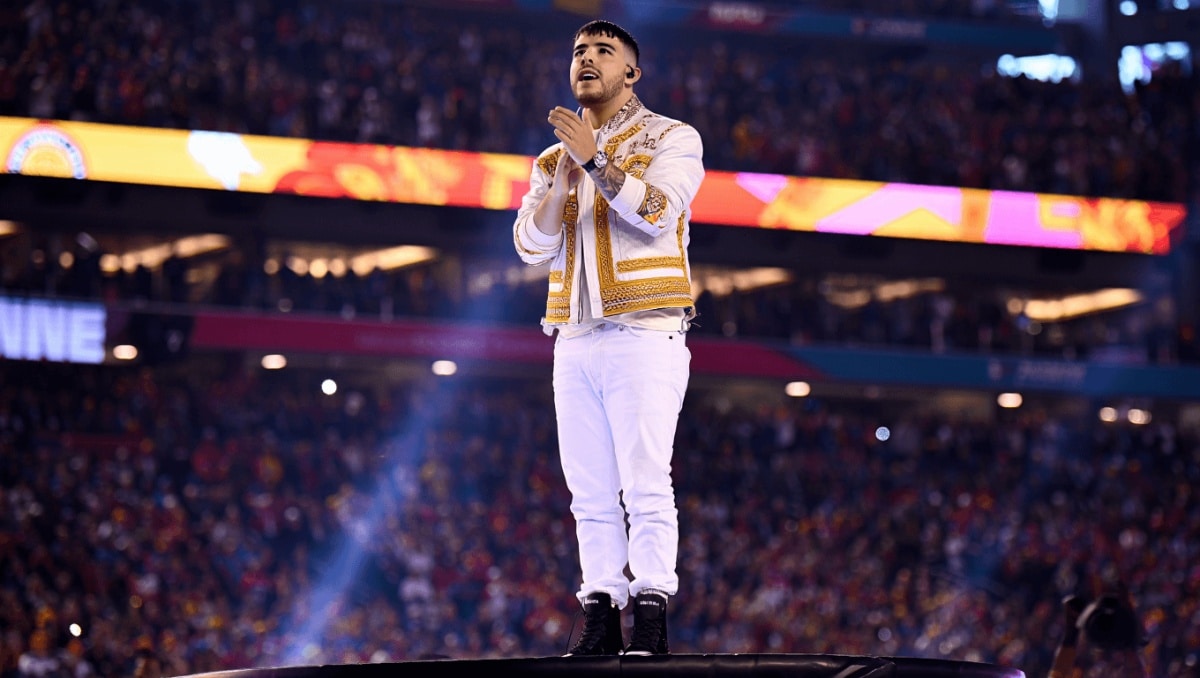
The performance emphasized Puerto Rican culture and dignity. It mixed pride, high-energy choreography and moments meant to humanize an often-neglected community.
- Language and identity: Much of the set was in Spanish, which did not prevent audiences from connecting.
- Emotional core: The performance repeatedly returned to themes of unity and resistance to hate.
- Stylistic choices: Costuming and staging referenced Puerto Rico’s history and contemporary struggles.
Critics on social media framed these elements as “woke.” Yet fans largely embraced the show for its sound, spectacle and sincerity.
Why the “anti-woke” narrative is losing steam
After the 2024 election, many outlets declared a conservative cultural ascendancy. Some pundits celebrated a return to more traditional entertainment norms. But that narrative has had its limits.
Several mainstream cultural wins this year told a different story. Spanish-language albums topped awards. Blockbusters and hit shows with diverse themes drew large, enthusiastic audiences. The cultural ascendency declared by some commentators has not erased public appetite for diverse voices.
Counterprogramming couldn’t match reach
Conservative organizations tried to offer alternatives to the NFL’s halftime spectacle. One campus group produced a competing “All-American” show featuring established conservative performers.
- Attendance and viewing estimates favored Bad Bunny by a wide margin.
- Early numbers show the competing concert drew roughly 18 million views.
- Bad Bunny’s halftime slot is projected near 128 million views.
Those figures underscore how mainstream audiences responded more to the high-production halftime show than to partisan replacements.
How audiences reacted across the political divide
Public sentiment didn’t collapse into polarized outrage. Much of the social pushback came from familiar corners of conservative media and influencers.
- Some viewers criticized the performance for language, aesthetics, or political undertones.
- Others praised the show as a joyous affirmation of Latinx culture.
- Many neutral viewers focused on the entertainment value and production quality.
In short, the halftime show attracted applause from broad demographics while predictable critics voiced disapproval online.
Why a commercial event can still shift cultural perceptions
The Super Bowl is an entertainment product first and foremost. But when a global star centers an underrepresented identity on that stage, it sends a message beyond marketing.
- Visibility matters: Bringing Puerto Rican culture to the largest TV audience elevates conversations.
- Accessibility beats ideology: Audiences often respond to emotion and rhythm more than to political framing.
- Cultural wins are incremental: Awards, streaming hits, and packed stadiums build momentum over time.
Implications for the culture wars and political messaging
The halftime conversation suggests that cultural control is contested and fluid. One viral performance didn’t erase political loyalties. But it undermined claims that audiences have uniformly embraced an anti-diversity cultural agenda.
For political strategists on both sides, the lesson is simple: symbolic wins matter, but so do authenticity and broad appeal.










