
Show summary Hide summary
- What the series promises — and what it actually picks
- How the college setting is handled — surface vs. texture
- Performances: a roster of talent, some underused
- Tone and pacing: comic impulses versus dramatic depth
- Notable missteps around sensitive material
- Missed opportunities and who could have helped
- Comparisons and context in the current TV landscape
- Structural culprits: too many competing loglines
- Where the show shows promise
- Elements that should be expanded
HBO’s Rooster arrives with a cast that could headline almost any comedy-drama, but its identity keeps slipping. The series teases multiple possible stories and tones, then struggles to commit to any single one. That indecision makes a show that often charms feel scattered and sometimes awkward.
What the series promises — and what it actually picks
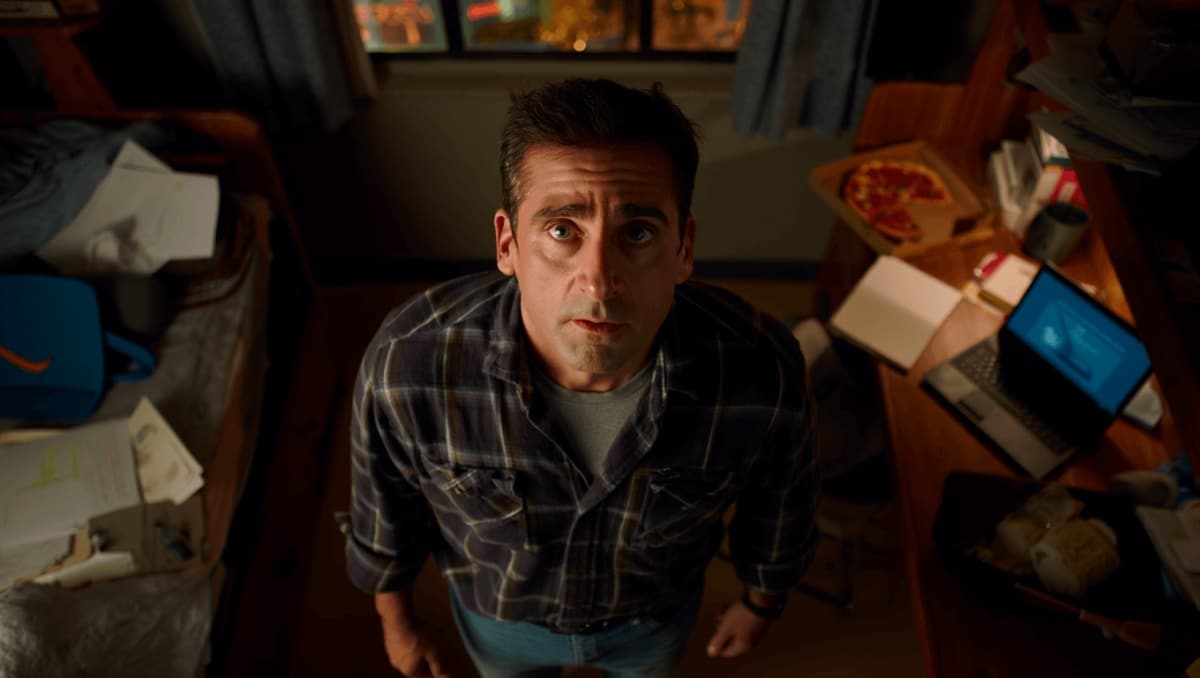
Created by Bill Lawrence and Matt Tarses, Rooster centers on Greg Russo, played by Steve Carell, who arrives as writer-in-residence at a small New England college. Yet that basic premise quickly splinters into competing ideas about who Greg is and what the series wants to explore.
Nas slams music industry over disrespect: teases new music, vows to address it
1992 vocal performances: 3 jaw-dropping moments that still amaze
The show flirts with several setups:
- A reclusive pulp author trying to live differently.
- A bestselling novelist seeking a second chance in academia.
- A father reconnecting with an estranged daughter who teaches at the school.
- A clash between a polished potboiler and the campus’s literary community.
All those threads are present. None dominates. The series hops between them in the early episodes, leaving viewers unsure which storyline should carry the drama and comedy.
How the college setting is handled — surface vs. texture
Rooster places its lead inside a contemporary college world that the show rarely nails down. The campus — Ludlow College — feels deliberately vague. Its students, politics and academic rituals are sketched, not fully realized.
This vagueness matters because television has recently warmed to academic stories. Shows such as The Chair and Lucky Hank have shown how rich this terrain can be. Rooster, by contrast, often treats campus life as a backdrop for jokes about modern sensibilities rather than a textured environment with its own stakes.
Where Rooster falters most is in leaning on gags about old habits colliding with new norms. Too many scenes reduce conflict to cringe moments rather than nuanced exchanges about power, pedagogy or generational change.
Performances: a roster of talent, some underused
The cast is an obvious asset. Steve Carell anchors the show with a restrained palette. He plays Greg’s quieter side convincingly. But the series frequently pulls him back into broad physical comedy and sitcom-style pratfalls.
Key supporting players
- Danielle Deadwyler — A poet and professor who could have been the emotional center. She delivers depth in flashes, yet the series sidelines her far too often.
- Charly Clive — As Greg’s daughter, she brings vulnerability and honesty. Her best work comes when scripts let her be quiet and complicated.
- John C. McGinley — A gruff college president who lands familiar, warm notes in his scenes.
- Phil Dunster and others — The ensemble includes recognizable names and rising players. Many of them get small moments but not sustained arcs.
There are bright spots. Maximo Salas, for example, finds surprising comic heart in a student role. Lauren Tsai makes a problematic subplot work more than it should. Still, the show often treats impressive actors as decorative pieces rather than drivers of plot.
Tone and pacing: comic impulses versus dramatic depth
Bill Lawrence’s TV instincts favor large-hearted ensemble work, the kind where characters fumble, apologize and then hug. Rooster hints at that mode but keeps retreating to concept-driven punchlines.
The net effect is a tension between two impulses: let the ensemble breathe, or keep swinging for high-concept hooks. In several episodes the latter wins, and the result is a series that feels both busy and thin.
There are recurring tonal choices that undercut the show’s emotional weight:
- Returning to sitcom antics instead of exploring quieter pain.
- Using awkward missteps for cheap laughs rather than sustained character growth.
- Interrupting promising subplots before they can deepen.
Notable missteps around sensitive material
Rooster repeatedly mines awkward encounters for humor. Some scenes depict Greg getting into trouble for actions the show frames as accidental or oblivious. These moments often land as cringe rather than insightful commentary.
The series struggles to balance comedy with the seriousness of those incidents. When jokes rest on boundary violations, the show rarely pauses to interrogate the power dynamics or the emotional consequences.
Missed opportunities and who could have helped
Watching Rooster, it’s easy to imagine alternative directions that might have sharpened the show. The most compelling of these would have centered the series squarely on Danielle Deadwyler’s character or given the academic setting more authentic texture.
Someone with deeper lived experience of graduate life could have helped the writers translate campus shorthand into specific, believable moments. That kind of perspective would have made Rooster’s satire about modern academia feel more earned.
Comparisons and context in the current TV landscape
Rooster arrives amid a small boom of campus-set shows. Each recent series has chosen different registers — some satirical, some melancholic. Rooster leans toward broad comedy but flirts with tender drama.
That hybrid can work well. When it does, the show becomes an ensemble piece about flawed humans learning to live with one another. When it doesn’t, it feels like several half-formed ideas vying for screen time.
Structural culprits: too many competing loglines
The fundamental structural problem is multiplicity. The writers offer several plausible loglines and then try to run them all at once. The result: undercooked arcs and characters whose potential remains latent.
Examples of strands that need more room:
- Greg’s split identity as a timid man and a macho alter ego.
- The daughter’s recovery from betrayal and her search for a new self.
- The poet-professor’s professional and personal frustrations.
- Campus politics and how they intersect with contemporary culture wars.
Where the show shows promise
Despite the stumbles, Rooster contains seeds of something engaging. When the series narrows its focus and lingers on character moments, it works. The chemistry among actors frequently lifts thin writing.
If the show chooses a core through-line and trusts its ensemble, it could evolve into the kind of warm, messy series Bill Lawrence does best. Give the quieter beats time, and the cast can carry the rest.
Elements that should be expanded
- More substantive scenes for Danielle Deadwyler’s character.
- Clearer rules for the Ludlow campus and its students.
- Fewer concept-driven detours that interrupt character work.
- Deeper interrogation of awkward incidents rather than using them only for laughs.










