
Show summary Hide summary
- What AWFUL stands for and who uses it
- How the label burst into the mainstream
- Timeline: memes, marches, and the rise of a new insult
- From “Karen” to AWFUL: how the stereotype shifted
- When progressive critique becomes political ammunition
- Why misogyny matters in the AWFUL narrative
- How conservatives repurposed left-wing language
- Intersectionality as a corrective lens
- Practical questions before you share a new insult online
A new political insult is gaining traction online and on cable: AWFUL, shorthand for Affluent White Female Urban Liberal. What started as a niche jab has been amplified into a cultural shorthand that paints certain liberal women as entitled provocateurs. The term’s rise after the killing of Renée Good shows how a meme can migrate from social commentary to a political weapon.
What AWFUL stands for and who uses it
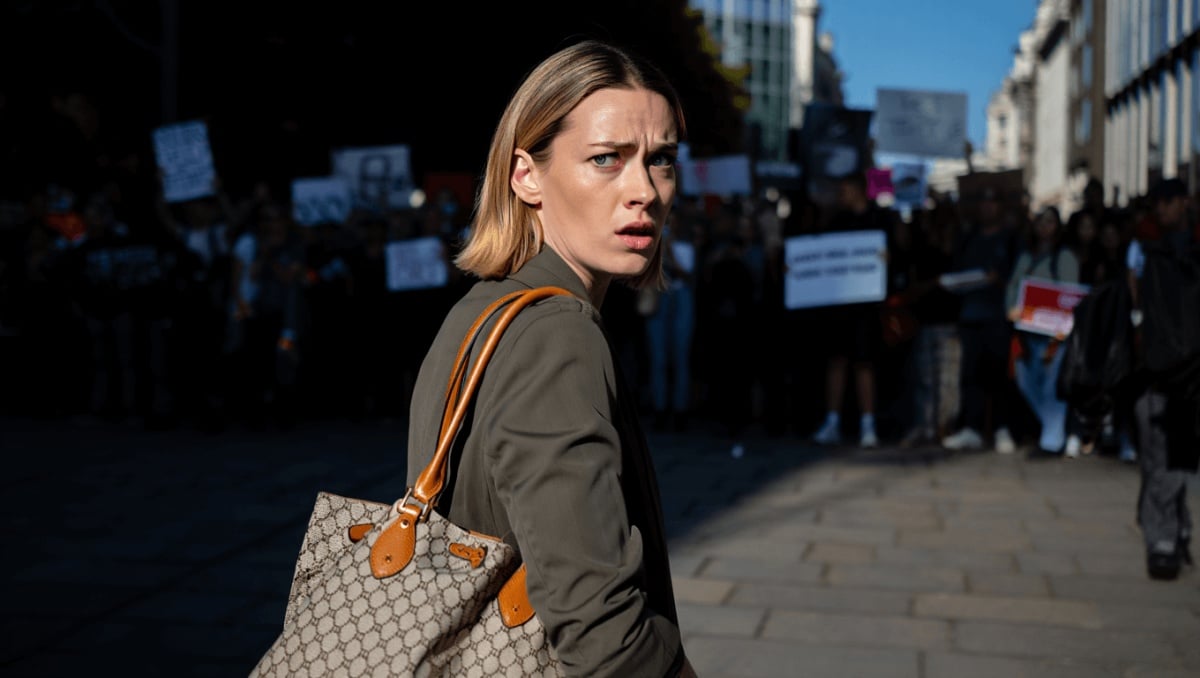
AWFUL labels wealthy, white, urban women who publicly challenge immigration enforcement and other institutions. Conservative media and influencers use the term to dismiss those protests as performative.
Nas slams music industry over disrespect: teases new music, vows to address it
1992 vocal performances: 3 jaw-dropping moments that still amaze
- Target profile: urban, affluent, white, usually female, often depicted as childless or judgmental.
- Common setting: protests, viral videos confronting law enforcement, neighborhood activism.
- Key platforms: cable punditry, right-wing YouTube channels, conservative social feeds.
How the label burst into the mainstream
The AWFUL tag surfaced more widely after a high-profile shooting in 2026. Commentators seized on footage of activists confronting ICE agents, and some framed the episode as evidence of liberal hypocrisy.
On conservative channels, the narrative simplified a complex encounter into a story of privileged women mocking blue-collar workers. That framing shifted public attention from policy to personality.
Timeline: memes, marches, and the rise of a new insult
- 2017 — Women’s March draws massive crowds and media focus.
- 2018 — Early critiques emerge about the movement’s inclusivity.
- 2020 — The “Karen” meme goes mainstream.
- 2024 — Debates within Democratic circles critique some liberal women’s style.
- 2026 — The AWFUL label surges following Renée Good’s death and viral coverage.
From “Karen” to AWFUL: how the stereotype shifted
The Karen meme depicted a particular kind of entitled behavior toward service workers and people of color. Over time it became a catchall insult for women deemed annoying.
AWFUL adopts that template but flips the axis. Instead of mocking a conservative suburban woman, it mocks a liberal urban woman. The narrative now accuses her of moral grandstanding rather than racist aggression.
When progressive critique becomes political ammunition
Criticism of white feminism originated in communities of color to highlight exclusion and blind spots. That critique had a clear purpose: call out power imbalances.
But once shorthand terms entered mainstream discourse, they lost nuance. What began as targeted analysis of structural bias became fodder for ridicule.
- Original intention: expose how mainstream feminism sidelined women of color.
- After appropriation: serve as a tool to delegitimize women speaking publicly.
Why misogyny matters in the AWFUL narrative
There is a gendered double standard in how political dissent is mocked. Male protesters rarely receive the same derision or a catchy acronym.
The selective focus on women signals that hostility to public-facing women helps hide underlying sexism. The label frames assertive women as obnoxious rather than engaged citizens.
How conservatives repurposed left-wing language
Conservatives borrowed the language and logic of left-wing criticisms of white women, then inverted it to argue that liberals are elitist oppressors.
This technique reframes structural critiques into a grievance narrative. It suggests the right is the aggrieved side and paints activism as performative boasting.
Intersectionality as a corrective lens
Kimberlé Crenshaw’s concept of intersectionality explains why single-axis labels fail. People experience overlapping identities and distinct harms.
Intersectionality asks us to recognize multiple forms of injustice at once. It was designed to broaden the conversation, not to silence any group.
Practical questions before you share a new insult online
- Are you critiquing behavior or dismissing a person because of gender?
- Does this term help address structural racism or just amplify a punchline?
- Is your outrage consistent across demographics, or selective?
- Are you centering the people actually harmed by the policies under debate?










