
Show summary Hide summary
- Suburbia as a Stage: The Unremarkable Landscape of DTF St. Louis
- A Murder Mystery That’s Also a Relationship Study
- Key Characters and Performances
- Tone: Deadpan, Specific, and Darkly Funny
- Structure and Storytelling Choices
- Comparisons and Creative Context
- Standout Scenes and Directorial Details
- Why the Cast Matters
- Practical Details: Where and When to Watch
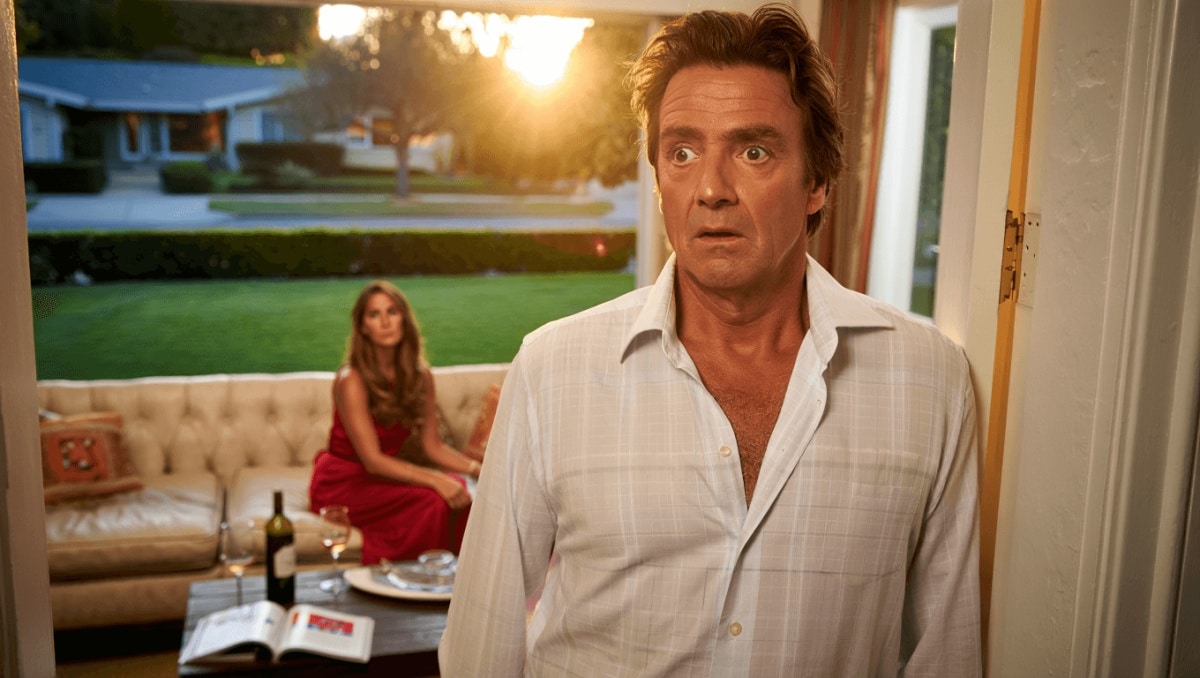
Steven Conrad’s new seven-episode HBO limited series flips the usual erotic thriller script. DTF St. Louis mixes sex, a sudden death, and suburban awkwardness into a darkly comic mystery. The result is a show that trades glamour for the quietly absurd and finds laughs in the small disappointments of middle-class life.
Suburbia as a Stage: The Unremarkable Landscape of DTF St. Louis
Conrad sets the drama in a plain, Midwestern world. Twyla, the fictional suburb, and nearby St. Louis offer strip-mall, corporate, and civic mundanity rather than noir glamour. Everyday brands and mundane offices ground the action.
Nas slams music industry over disrespect: teases new music, vows to address it
1992 vocal performances: 3 jaw-dropping moments that still amaze
- Scenes at work and chain restaurants create an understated backdrop.
- The visual tone leans into banal details to deflate melodrama.
- This deliberate ordinariness helps the show turn sex and murder into something oddly comic.
A Murder Mystery That’s Also a Relationship Study
At its center is a simple hook: a close friend ends up dead. That premise drives a procedural thread. Detectives piece together events through nonlinear flashbacks.
Who killed Floyd? That question propels the episodes and provides a frame for revealing the trio’s tangled relationships.
- Present-day investigations are led by two detectives.
- Flashbacks supply context and motive in fragments.
- The murder plot is less about thrills and more about human foibles.
Key Characters and Performances
The show centers on three linked characters. Each actor brings a distinct approach that amplifies Conrad’s tonal choices.
Main cast and roles
- Jason Bateman plays Clark, a mild-mannered weatherman with secrets.
- David Harbour is Floyd, an awkward, candid friend who lives on the margins.
- Linda Cardellini portrays Carol, the most enigmatic of the trio.
Bateman shifts fluidly between genial and unsettling. Harbour adds vulnerability and blunt humor. Cardellini keeps her character’s motives close to the vest, revealing layers slowly.
Tone: Deadpan, Specific, and Darkly Funny
DTF St. Louis uses dry delivery and exact dialogue to create an offbeat rhythm. Sex is discussed plainly. That frankness avoids sensationalism and lets the show explore desire with curiosity.
The humor lands in the awkwardness of small lives colliding with erotic experimentation. Mood swings—from tender to uncomfortable—happen in short, precise beats.
Structure and Storytelling Choices
Conrad layers scenes across timelines. Many episodes move between present investigation and past encounters.
- Nonlinear storytelling fills in motive piece by piece.
- Each flashback focuses on a moment that reframes what came before.
- The pacing favors slow revelation over rapid exposition.
Comparisons and Creative Context
The show shares a sensibility with recent TV that mines suburban banality for dark comedy. It’s less broad than some absurdist work and more quietly precise.
Like other prestige limited series, DTF St. Louis uses a murder hook to attract a wider audience while exploring intimacy and dysfunction.
Standout Scenes and Directorial Details
Small, strange moments define the series. Visual choices and props underscore Conrad’s worldbuilding.
- Everyday objects and chores are staged for comic and psychological impact.
- Unembellished camera work highlights interpersonal awkwardness.
- Costume and physical detail deepen character portraiture.
Why the Cast Matters
The chemistry among the leads keeps the drama believable. Their calibrated performances make the characters’ oddities feel lived-in.
Even when the story is deliberately stiff, the cast sells the intimacy and tension. Small shifts in expression often speak louder than plot points.
Practical Details: Where and When to Watch
DTF St. Louis premieres on HBO and HBO Max on March 1 at 9 p.m. ET. The limited series will air weekly on Sundays.










