
Show summary Hide summary
- Colbert’s on-air allegation and immediate fallout
- How the FCC’s “equal-time” policy fits in
- Network version: advice, not a ban
- Political and corporate pressures behind the scenes
- How participants reacted after the story broke
- Election mathematics: why this matters to Texas voters
- Wider implications for broadcasters and campaigns
- What to watch next in this unfolding media fight
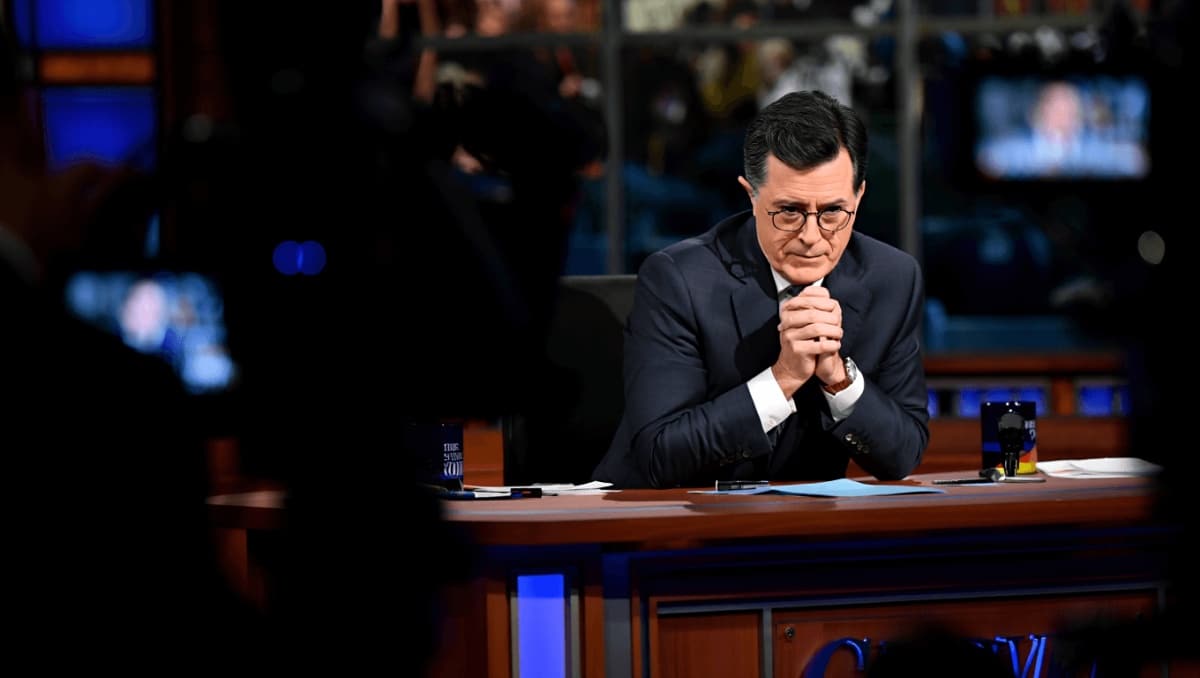
Stephen Colbert used his late-night platform to accuse his own network of muzzling a guest and igniting a dispute that reaches into federal policy, corporate legal worries and a heated Texas primary.
Colbert’s on-air allegation and immediate fallout
On Monday night, Colbert said he had booked Texas Senate candidate James Talarico for an interview that would not air on CBS. He told viewers the network’s legal team had warned against the segment.
Nas slams music industry over disrespect: teases new music, vows to address it
1992 vocal performances: 3 jaw-dropping moments that still amaze
The host framed the move as part of a larger pattern: networks censored to avoid trouble with the Federal Communications Commission. He also suggested the agency’s chair, Brendan Carr, and the Trump administration were pushing stricter enforcement of TV rules.
Colbert insisted the network forbade both the interview and any mention of the ban. He later doubled down, accusing corporate lawyers of policing scripts and yielding to pressure.
How the FCC’s “equal-time” policy fits in
The controversy centers on the FCC’s so-called equal-time rule. During campaigns, it requires broadcasters to offer comparable airtime to rival candidates.
Historically, entertainment shows were treated differently. But regulators signaled renewed interest in applying the rule more vigorously.
This shift has put producers and networks on edge. If talk shows host candidates competing for the same office, networks may need to provide equal access to opponents or take other steps to comply.
Network version: advice, not a ban
CBS and parent company Paramount pushed back on Colbert’s account. They said the network did not prohibit the interview.
Instead, CBS says its legal staff provided guidance about equal-time obligations and suggested options that would avoid triggering the rule.
The Late Show team chose a workaround. The taped interview was not broadcast during the TV program. Instead, the show released the full segment on its YouTube channel and mentioned it on the air.
- The interview later amassed millions of views online.
- Network spokespeople said they sought to limit legal exposure, not to silence debate.
Political and corporate pressures behind the scenes
The dispute sits at the intersection of law, politics and media business strategy.
Recent developments have increased tension between broadcasters and regulators:
- Paramount announced the end of Colbert’s show in May.
- Former President Trump sued Paramount/CBS over a news segment from 2025.
- ABC temporarily pulled Jimmy Kimmel after Carr criticized a monologue.
- The FCC has reviewed whether certain interviews violated the equal-time rule.
Those episodes help explain why CBS says lawyers wanted to shield the company from an FCC complaint. The White House defended the agency and criticized Colbert’s public attack.
How participants reacted after the story broke
Colbert rejected CBS’s explanation, calling the network’s position insufficient. He urged viewers to see the episode as part of a larger threat to open commentary.
CBS maintained it offered alternatives and that the YouTube posting was the agreed path forward. Both narratives circulated widely on social media and in newsroom coverage.
Election mathematics: why this matters to Texas voters
The guest at the center of the dispute, James Talarico, is a Democratic candidate in a competitive Texas primary. His opponent, Rep. Jasmine Crockett, has been featured on late-night shows before.
Early voting started this week. Crockett cautioned reporters that the timing of the controversy may affect the race, and she urged clarity amid heightened attention.
In public remarks, Crockett suggested the controversy might have boosted Talarico’s profile as early ballots are cast.
- Early voting ends next week.
- The primary is scheduled for March 3.
Wider implications for broadcasters and campaigns
Networks now face a thorny choice. They can host candidates and risk equal-time obligations, or avoid such interviews and draw accusations of political influence.
Legal teams, advertisers and corporate leadership weigh potential FCC scrutiny against editorial freedom. The result is more cautious programming decisions.
For hosts and candidates, platforms beyond broadcast television offer an escape hatch. Posting interviews on streaming and social channels sidesteps some rules, but it also changes audience reach.
What to watch next in this unfolding media fight
Expect increased attention on FCC guidance and any formal complaints lodged against networks. Law firms and newsrooms will parse legal memos for safe ways to include candidates on entertainment shows.
In the short term, the Texas primary will test whether the controversy shifts voter behavior. For late-night TV, the episode underscores how regulatory shifts can reshape programming decisions.










