Show summary Hide summary
- A prison-born friendship that shaped a film
- Why Mahmoudian was detained this February
- The film that refuses to forget: It Was Just an Accident
- Moments of humanity amid conflict and prison walls
- Panahi’s long stand against authoritarian pressure
- Why international action, Panahi warns, is complicated
- How the story affects Iranian cinema and the awards season
- Voices in the film mirror real-world choices
- Details from behind the scenes: making a film under watchful eyes
- The human costs and continued risks for creators
When Jafar Panahi’s phone went unanswered one evening, he feared the worst. The director and his long-time collaborator, Mehdi Mahmoudian, had built a bond in the harshest of places — behind bars — and the silence felt like a red flag. Hours later the news confirmed his worry: Mahmoudian had been detained again, weeks before Panahi’s film climbed back into the global spotlight.
A prison-born friendship that shaped a film
Panahi and Mahmoudian first connected during a 2022 incarceration. They spent months in the same facility, sharing stories and ideas.
Nas slams music industry over disrespect: teases new music, vows to address it
1992 vocal performances: 3 jaw-dropping moments that still amaze
Their time together forged more than camaraderie. It created a creative partnership rooted in shared values about dignity and justice.
- Both men left prison with a commitment to nonviolent principles.
- Mahmoudian’s experience informed the film’s accurate portrayal of detention and trauma.
- Panahi credits Mahmoudian with helping the screenplay feel true to life.
Why Mahmoudian was detained this February
Authorities arrested Mahmoudian on Feb. 3 after he joined a public statement that held Iran’s supreme leader responsible for the lethal suppression of protests.
The declaration named Ali Khamenei as bearing primary responsibility for the crackdown that has cost many lives.
Panahi said he and others suspected detention when Mahmoudian stopped answering messages. State media later confirmed the arrest.
The film that refuses to forget: It Was Just an Accident
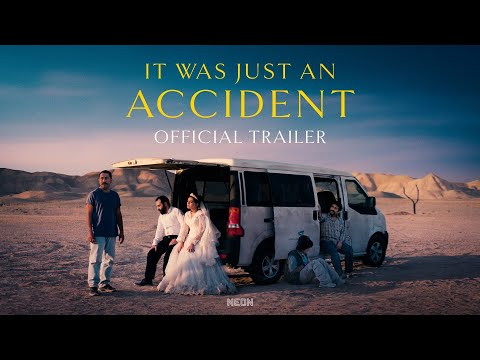
Panahi’s latest feature, co-written by Mahmoudian, centers on former prisoners convinced they have found their tormentor.
Rather than endorsing revenge, the story wrestles with moral choices. One character insists that responding to cruelty with cruelty is not the answer.
The film won Cannes’ top honor and earned Oscar nominations for Best International Feature and Best Original Screenplay.
Despite heavy censorship, the production moved stealthily through Tehran, deserts and crowded streets. Small crews and covert locations kept the project alive.
Accolades and recognition
- Palme d’Or winner at Cannes.
- Oscar nominee for Best International Feature.
- Oscar nominee for Best Original Screenplay.
Moments of humanity amid conflict and prison walls
Panahi recalls Mahmoudian tending to others even under strain. During shelling and chaos at Evin prison, Mahmoudian helped people trapped by rubble.
That instinct to aid anyone in need, regardless of background, left a deep impression on Panahi.
Panahi says Mahmoudian’s compassion guided the script’s realistic scenes about inmates and their small acts of care.
Panahi’s long stand against authoritarian pressure
For decades Panahi has felt the weight of state reprisals. He has been jailed multiple times for his films and activism.
Watching protests and violence unfold at home, he asks how cycles of brutality can end.
He argues the regime benefits from normalizing force. In his view, repression is the glue that keeps the state standing.
Why international action, Panahi warns, is complicated
Panahi doubts that foreign powers can resolve Iran’s crisis. He believes external moves often fail when they ignore the people’s demands.
“Support should echo citizens’ goals, not prop up the regime,” he says, stressing that international policy must not sustain oppressive structures.
How the story affects Iranian cinema and the awards season
The arrest came as Panahi’s film attracted renewed attention on the global stage.
Its Oscar nominations arrive against a backdrop of repression, amplifying the voices of filmmakers who work under threat.
- The timing raises questions about safety for artists in Iran.
- A higher profile improves visibility for human-rights concerns.
- But it also risks increasing state scrutiny of those involved.
Voices in the film mirror real-world choices
Characters in It Was Just an Accident struggle with vengeance, forgiveness and the price of action.
Panahi draws a parallel between his fictional world and the protests sweeping Iran. He emphasizes a recurring theme: nonviolence as a principled stance.
The decision to depict restraint, rather than escalation, is both artistic and political.
Details from behind the scenes: making a film under watchful eyes
Shooting covertly required careful planning and trust among collaborators. Small crews, improvised sets and quick transitions kept the crew safe.
Mahmoudian’s prison stories helped the team create believable interrogation scenes and prison dynamics.
These choices gave the film its authentic tone without exposing participants unnecessarily.
The human costs and continued risks for creators
Mahmoudian’s detention is not isolated. Panahi himself has endured repeated imprisonments and travel bans.
Artists, activists and lawyers who speak out face arrest, legal pressure and the threat of long sentences.
The situation leaves cultural figures walking a constant tightrope between duty and danger.