
Show summary Hide summary
- New historical drama reimagines wartime espionage on Prime Video
- Key characters and the actors who bring them to life
- How the Van Lews turn a genteel home into a spy network
- Class, race and the unequal risks of resistance
- Narrative clutter and theatrical excess undercut some scenes
- Strong performances and authentic moments of danger
- Historical detail, creative liberties and storytelling choices
- Release information and viewing format
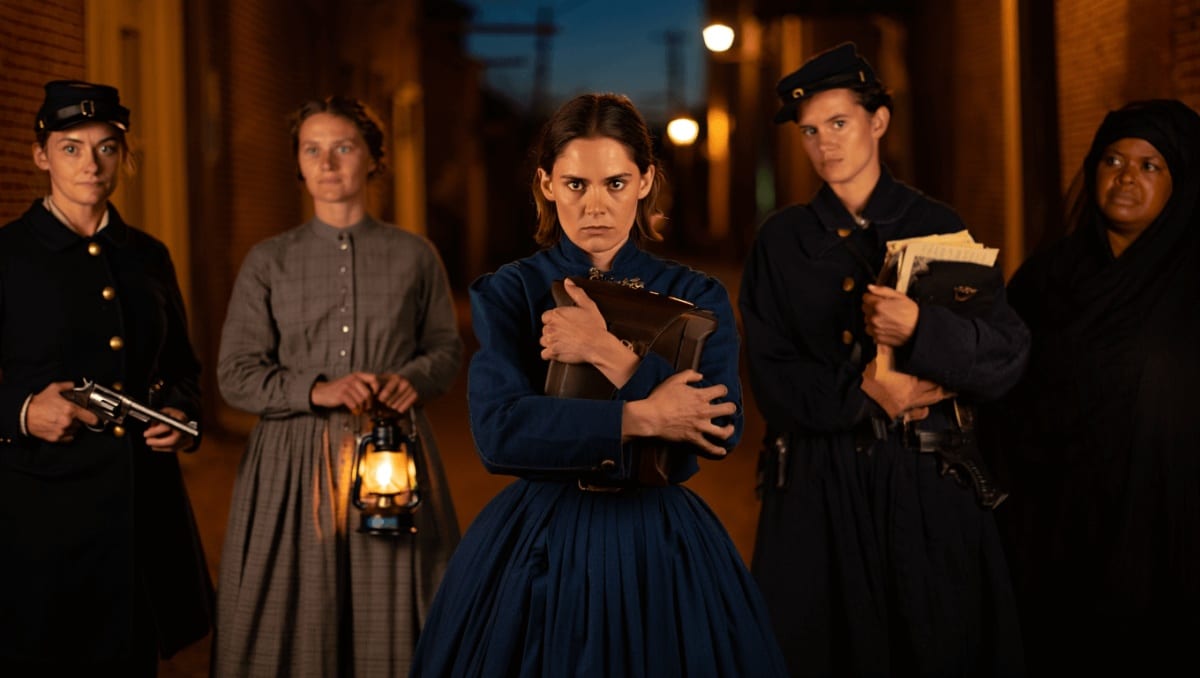
Prime Video’s new Civil War drama drops viewers into a charged Richmond on the eve of conflict, following a small group of women who risk everything to gather intelligence for the Union. The series blends espionage, social conflict and personal sacrifice, offering striking performances but uneven storytelling that can blur its central heroes.
New historical drama reimagines wartime espionage on Prime Video
Created by Leslie Greif, Darrell Fetty and John Sayles, and backed by executive producers Kevin Costner and Morgan Freeman, the show uses real events as its backbone. It opens on July 4, 1860, months before open warfare, when Richmond hums with political tension. Within that atmosphere, the Van Lew household becomes an unlikely hub of resistance.
Nas slams music industry over disrespect: teases new music, vows to address it
1992 vocal performances: 3 jaw-dropping moments that still amaze
Key characters and the actors who bring them to life
The series hinges on a handful of women whose choices alter the course of local history. The cast includes well-known faces and strong newcomers.
- Elizabeth Van Lew (Daisy Head): an unmarried daughter whose charm and connections make her the series’ focal point.
- Eliza Van Lew (Mary-Louise Parker): the family matriarch who hosts Richmond’s elite while running a hidden operation.
- Mary Jane (Amethyst Davis): a formerly enslaved woman willing to return to perilous service inside Confederate households.
- Clara Parish (Hannah James): a sex worker recruited for intelligence work, whose survival depends on cunning and resilience.
- Supporting roles include Uncle Isham (Ben Vereen), the baker Thomas McNiven (Christopher McDonald) and Confederate figures like Jefferson Davis (Sam Trammell).
How the Van Lews turn a genteel home into a spy network
The Van Lew estate operates behind a veneer of Southern gentility. Their outward hospitality masks a deeper mission: sheltering escapees and collecting secrets. When Confederate leadership moves into Richmond, the household escalates its efforts.
They convert ordinary tasks into espionage tools. A maid’s presence becomes a listening post. A baker’s deliveries hide courier routes. The Gray House—Jefferson Davis’s residence—becomes the ultimate target for inside information.
Class, race and the unequal risks of resistance
The program makes clear who can hide behind privilege and who cannot. Wealth and whiteness provide cover for some conspirators. Others have no such buffer.
- White members of the Van Lew circle exploit their status to avoid scrutiny.
- Mary Jane re-enters servitude by choice, accepting extreme danger to serve the cause.
- Clara trades on her skills and body, using every available tool to survive and help the network.
The series highlights the moral complexity of fighting slavery from within the enemy’s home. It also shows how the stakes vary drastically depending on who is doing the risking.
Narrative clutter and theatrical excess undercut some scenes
Despite powerful moments, the series sometimes drowns in its own ambition. Additional subplots and a sprawling cast diffuse attention from its primary players. Scenes meant to be subtle spycraft occasionally come off as melodramatic.
Villains are drawn with broad strokes. Characters such as Stokely Reeves and the slave catcher Bully Lumpkin verge on caricature, which reduces the moral complexity the show otherwise aims to portray. The result is a mixture of tense intimacy and overdone spectacle.
Where pacing and tone stumble
- Multiple side stories pull focus away from the women at the center.
- Some performances lean into theatrics, making covert acts feel less believable.
- Incorporating famous historical figures widens scope but fragments momentum.
Strong performances and authentic moments of danger
When the series narrows to its core, it excels. Mary-Louise Parker, Daisy Head and Amethyst Davis deliver scenes that communicate fear, courage and moral urgency. The show doesn’t shy from violence or the brutality of the era.
Those episodes that focus on tradecraft and quiet risk are the most convincing. They convey how small acts of defiance had outsized consequences for freedom and for those who dared to act.
Historical detail, creative liberties and storytelling choices
The producers balance documentary-like details with dramatic invention. Costumes, settings and the portrayal of Richmond’s high society feel grounded. At the same time, the series amplifies certain elements to generate tension and drive plot.
That tension creates rewards and frustrations. Viewers seeking a tight spy thriller may find the extra melodrama distracting. Those interested in character-driven historical drama will find vivid scenes and committed acting.
Release information and viewing format
All eight episodes premiered on Prime Video on Feb. 26. The limited-series format packs a broad timeline into a short run. Episodes vary in tone, moving from intimate household intrigue to broader wartime episodes.










