
Show summary Hide summary
- How the series repositions Kayce Dutton in Montana
- Key players and on-screen chemistry
- Procedural format: formula, pace, and action
- Narrative debt to Yellowstone: advantage or obstacle?
- Character arcs that need breathing room
- Visuals, setting, and the Montana backdrop
- Where the show succeeds and where it stumbles
- Who the series is made for
Marshals arrives on CBS as a direct spin-off from the Yellowstone universe, centering on Kayce Dutton as he tries to leave a family legacy behind. The premiere sets up a father-son moment that promises change, but early episodes keep tugging Kayce back into the Dutton orbit. The show mixes mountain-set crime work with family drama, while asking whether a man can ever truly escape a famous name.
How the series repositions Kayce Dutton in Montana
Marshals opens with Kayce living a quieter life at his East Camp ranch. He is solitary, raising his son and tending horses. That calm is interrupted when a former Navy SEAL buddy returns as a deputy U.S. marshal and asks for help. The offer pulls Kayce toward law enforcement and back into conflicts that touch his past.
Nas slams music industry over disrespect: teases new music, vows to address it
1992 vocal performances: 3 jaw-dropping moments that still amaze
The central question: can Kayce build something new while living in the shadow of his family? The series frames that dilemma as a personal and public struggle. Kayce’s attempts to step away from Dutton lore are sincere. Yet the show keeps reminding viewers of the family’s influence and reputation.
Key players and on-screen chemistry
The ensemble gives Marshals its momentum. Logan Marshall-Green brings steady intensity to Calvin, the marshal who recruits Kayce. Luke Grimes continues to portray Kayce with a blunt, inward energy. Their partnership drives much of the new show’s interpersonal heart.
- Luke Grimes — Kayce Dutton, the reluctant returnee to action.
- Logan Marshall-Green — Calvin, a former SEAL turned deputy U.S. marshal.
- Gil Birmingham — Thomas Rainwater, representing tribal leadership and old ties.
- Arielle Kebbel — Belle, a team member with her own fraught background.
- Tatanka Means — Miles, connected to Native concerns and community stakes.
- Ash Santos — Andrea, a marshal with city roots and a sharp edge.
- Brett Cullen — Harry, Calvin’s skeptical superior.
- Brecken Merrill — Tate, Kayce’s son and a touchstone for his father’s choices.
On screen, chemistry varies. Some pairings spark easily. Others feel aimed more at supporting the Dutton myth than developing independent relationships.
Procedural format: formula, pace, and action
Marshals follows a familiar crime-drama rhythm. Cases arrive, complications mount, and the team chases answers across sweeping Montana landscapes. Each episode mixes fieldwork with a moral question, often ending in a high-stakes confrontation.
- Case setup that looks routine but twists quickly.
- Car chases, shootouts, and tense interrogations.
- Personal stakes tied to local communities, including Broken Rock reservation.
Tonally, the show prefers clarity over ambiguity. Characters are portrayed as principled, and the narrative rarely lingers on the nuances of use-of-force debates. The result is brisk television that favors decisiveness over interrogation.
Narrative debt to Yellowstone: advantage or obstacle?
Marshals wears its Yellowstone pedigree on its sleeve. References and returning figures remind viewers this is an extension of a larger saga. That loyalty helps existing fans feel at home.
For newcomers, though, the show sometimes feels encumbered. Repeated reminders about the Dutton family’s past pull attention away from new development. Rather than letting Kayce grow free, the series often reasserts the weight of his lineage.
Implication: viewers who love franchise continuity will find consolation. Those seeking a fresh procedural might feel sidelined by backstory-heavy beats.
Character arcs that need breathing room
Kayce is written as a man between two identities: family heir and lawman. The series sets up his internal conflict well but rarely explores his inner life beyond stoicism. He’s often defined by what he rejects rather than what he chooses.
Other characters show promise but sometimes serve more as thematic tools than fully rounded people. Miles, for instance, becomes a conduit for Native-focused issues without always receiving narrative autonomy. Belle and Andrea offer different backgrounds and temperaments, which helps diversify the team.
What to watch for in character development
- Whether Kayce finds a clear personal mission beyond the Dutton legacy.
- How Miles’ cultural perspective is handled over several episodes.
- Whether Belle and Andrea get arcs that stand alone from Kayce’s story.
Visuals, setting, and the Montana backdrop
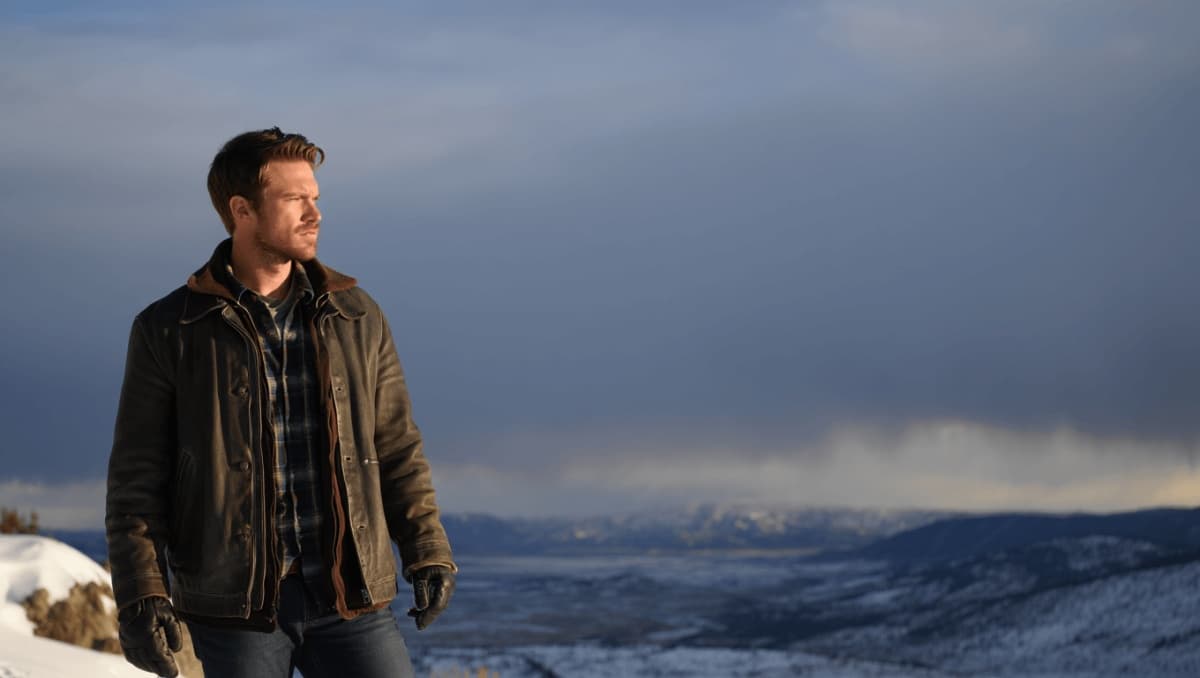
Marshals leans into big-sky cinematography and rugged terrain. The Montana setting is a character in itself, informing tone and stakes. The series uses locations to amplify the contrast between quiet ranch life and violent incidents.
Action scenes are staged to feel immediate. The show balances quiet ranch routines with sudden bursts of danger. That contrast powers the series’ dramatic engine.
Where the show succeeds and where it stumbles
Strengths:
- Strong lead performances that anchor tense moments.
- Clear pacing that keeps episodes moving.
- The setting adds texture to otherwise familiar procedural beats.
Weaknesses:
- Heavy reliance on Yellowstone history can overshadow new storytelling.
- Moral simplicity leaves little room for messy, modern debates.
- Some supporting characters need deeper, independent arcs.
Bottom line: Marshals offers solid procedural entertainment and franchise continuity. Its loyalty to Yellowstone’s past may delight fans while alienating those seeking a standalone crime series.
Who the series is made for
This show is aimed at viewers who enjoy:
- Character-driven procedural dramas set in the American West.
- Serialized connections to an existing franchise.
- Action with a strong emotional core driven by family ties.
For new viewers, ease of entry varies. The premiere attempts to be approachable, but recurring callbacks mean that a fuller appreciation may require familiarity with Yellowstone’s history.










