
Show summary Hide summary
- What drew the filmmaker back to her birthplace
- When a reporting experiment met a sudden war
- The exodus: why many journalists chose to leave
- Shooting small to capture intimacy: the iPhone approach
- Daily risks and a single-minded focus on footage
- How journalists adapted to censorship and still pushed boundaries
- Parallels and warnings for democracies elsewhere
- Voices in the film: resistance that includes laughter
- Production notes and editorial collaborators
When filmmaker Julia Loktev arrived in Moscow in late 2021, she intended to probe a chilling new reality: the Kremlin’s widening use of the “foreign agent” label to stigmatize reporters, rights groups and independent voices. What began as an inquiry into legal semantics quickly became a frontline chronicle of reporters trying to survive and keep telling the truth as the state closed ranks and, months later, launched a full-scale invasion of Ukraine.
What drew the filmmaker back to her birthplace
Loktev is an American director born in the Soviet Union. She went to Russia to document a law that revived a Soviet-era stigma. The designation had been attached to more than a hundred people and organizations.
Nas slams music industry over disrespect: teases new music, vows to address it
1992 vocal performances: 3 jaw-dropping moments that still amaze
Her aim was practical. She wanted to know what it meant to be labeled a “foreign agent” in 21st-century Russia. Who was targeted? How did it change daily life and reporting? The result was a project that followed young journalists and veteran independent outlets as they adjusted to rising pressure.
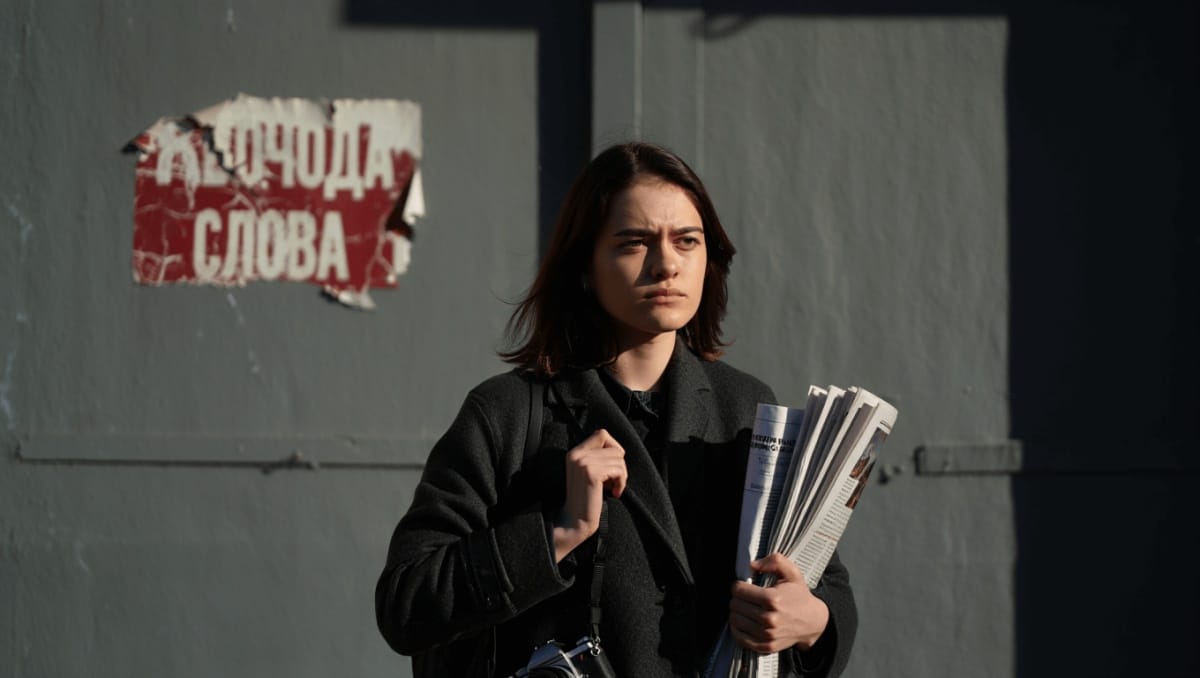
The film, released as My Undesirable Friends: Part I — Last Air in Moscow, centers on a cluster of reporters around TV Rain, known as one of the last independent television voices in Russia, and other journalists who faced the designation.
When a reporting experiment met a sudden war
Everything shifted on Feb. 24, 2022. The Russian invasion of Ukraine turned a legal crackdown into a near-total media blackout. Within days, independent coverage inside Russia became almost impossible.
Loktev watched that transformation in real time. She describes a frantic environment where reporters scrambled to maintain access to stories and to get footage out. Rules from state authorities restricted what could be said on air, and journalists sought creative ways to show events while complying with official demands.
The film traces those efforts. It captures the tightrope many reporters walked: how they tried to document bombardments and civilian suffering while complying with mandates to repeat official lines about military targets.
The exodus: why many journalists chose to leave
As legal pressure and direct threats mounted, many independent journalists faced a stark choice: stop reporting or leave the country. For some, leaving meant continuing their work from exile. For others, it was a last resort to avoid prison.
- TV Rain relocated to the Netherlands and continued producing news from abroad.
- Anchors and staff faced extreme accusations, including charges of extremism.
- Many reporters concluded that exile offered the best chance to keep informing the public.
Loktev frames these departures not as defeats but as tactical decisions. If imprisonment silenced a reporter, exile allowed them to remain useful to audiences and to history.
Shooting small to capture intimacy: the iPhone approach
Contrary to a larger crew plan, Loktev filmed most of the project herself with a phone. That choice shaped the film’s tone. The camera presence felt smaller. People relaxed and spoke differently.
She notes that the devices fit into everyday life in Russia. Phones were familiar to her subjects and less likely to intimidate them. This produced candid, close-up moments rarely captured by larger setups.
Equipment highlights included:
- A smartphone as the primary camera.
- A small clip-on microphone for clearer audio.
- An attachable lens to slightly widen framing.
The pared-down kit let Loktev move quickly, stay unobtrusive, and preserve the trust she had built with interviewees.
Daily risks and a single-minded focus on footage
Loktev admits she weighed personal danger, especially early on. But during the invasion she became singularly focused on the material she was collecting. Getting footage out became the overriding concern.
She describes staying at a hotel hemmed in by riot police. Even with visible security forces nearby, she prioritized filming and safeguarding recordings. The sense of urgency often eclipsed fear.
How journalists adapted to censorship and still pushed boundaries
Independent outlets invented ways to comply with rules while still communicating realities they observed. They used visual proof and careful language to convey events that official statements denied.
Common tactics included:
- Showing visual evidence and contextualizing it without repeating forbidden terms.
- Adding official statements as a formality while otherwise presenting contradictory facts.
- Relocating operations abroad to avoid legal shutdowns.
These strategies let journalists continue to challenge state narratives while navigating a tightening legal framework.
Parallels and warnings for democracies elsewhere
Loktev sees echoes of the Russian crackdown in other countries. She points to the closure of Memorial, a long-standing human rights NGO, as a notable example. Courts cited national pride to justify silencing a group that preserved difficult historical truths.
That pattern—downplaying troubling chapters of history to avoid discomfort—resonates beyond Russia. It touches debates elsewhere about what parts of the past should be emphasized or erased. For Loktev, such developments turn local repression into a cautionary tale for global democracies.
Voices in the film: resistance that includes laughter
Amid threats and exile, the journalists in Loktev’s film still sought moments of joy. They treated humor and human connection as acts of resistance. That thread runs throughout the documentary.
The film favors scenes where reporters find meaning in persistence. It highlights small gestures that sustain morale. Those moments reveal how ordinary people continue to push back, even when the effort seems endless.
Production notes and editorial collaborators
The audio interview was produced and edited by Lauren Krenzel and Susan Nyakundi for broadcast. For the web, Bridget Bentz, Molly Seavy-Nesper and Beth Novey handled adaptation and editing.
Loktev’s film captures a turning point. It shows how a legal label evolved into a mechanism for silencing dissent, and how journalists responded by improvising, leaving, or risking arrest to keep reporting.










