
Show summary Hide summary
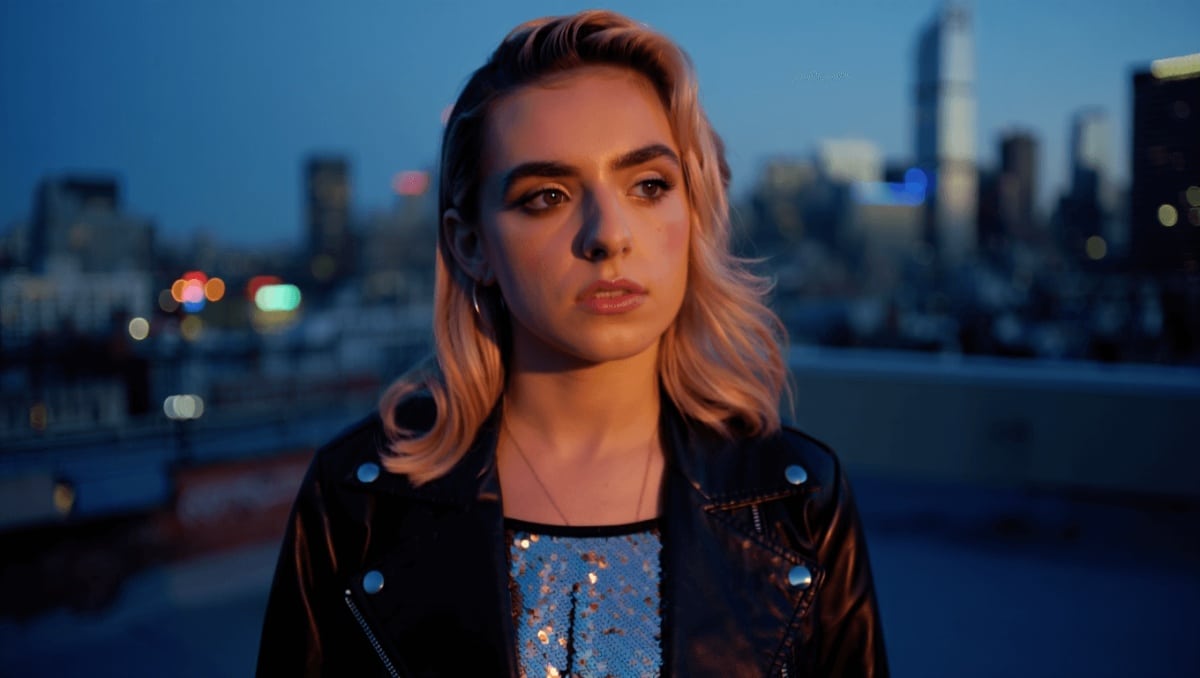
Charli XCX has taken a sharp, self-aware turn by turning the fallout from her hit album into a cinematic experiment. Her new film reframes the chaos of fame and the glitter of the “Brat” era as a glossy, ironic portrait. It teases questions about momentum, desire, and who gets to keep a pop moment alive.
How “The Moment” reinvents the story behind Brat
Rather than a straight biography, The Moment is styled as a faux documentary. It leans into hyperpop aesthetics and satire to explore celebrity. The film blurs fact and fiction to examine how public reaction reshapes an artist’s life.
Nas slams music industry over disrespect: teases new music, vows to address it
1992 vocal performances: 3 jaw-dropping moments that still amaze
- The format plays with documentary tropes.
- Visuals borrow from hyperpop’s bright, chaotic palette.
- The narrative focuses on reputation and reinvention.
Charli XCX at the center: fame, flux, and artistic control
Charli XCX appears as both subject and self-commentator. The film probes her complicated relationship with mainstream success. It asks whether she wants to ride the wave of “Brat” or deliberately step off the platform.
Her choices in the film suggest a performer who is both amused and unsettled by sudden celebrity. Scenes highlight the costs of attention and the performative nature of modern pop stardom.
Notable faces: cameos and co-stars adding texture
The movie features a surprising mix of actors and pop figures. Each cameo deepens the mock-documentary’s commentary on fame.
- Alexander Skarsgård — brings dramatic contrast to the pop world.
- Hailey Benton Gates — adds indie credibility and dry wit.
- Kylie Jenner — a shorthand for contemporary celebrity power.
Why the film speaks to hyperpop culture now
Hyperpop thrives on excess, irony, and fragmentation. The Moment uses those elements to mirror online fan behavior. The result feels both celebratory and critical.
Key themes the film tackles
- Virality and attention cycles.
- Identity as performance.
- The tension between art and commerce.
Will the “Brat” momentum survive the meta-narrative?
Turning an album-era into a film is a bold risk. The move may extend the cultural life of Brat. Or it might complicate the momentum Charli had after the record’s success.
Ultimately, the film functions as both a creative statement and a strategic moment in a pop career. It intentionally leaves the question of continuity open.










