
Show summary Hide summary
- Widening the map: how Season 2 expands the world of Paradise
- Emotional core: Dan Fogelman’s strengths on full display
- New faces and standout performances
- Narrative drift: plot threads that fray
- Flashbacks, pacing and the cost of context
- Small errors that grow into bigger doubts
- Tonal friction: sentiment vs. coherence
- Character focus: who gets the light and who is left behind
- Best episodes and moments worth watching
- Where the series risks losing its original drive
- What remains salvageable in this sprawling second season
Hulu’s Paradise returns with a second season that doubles down on emotion, star power and sprawling ambition. The show, created by Dan Fogelman, opens new terrain beyond the bunker and brings fresh faces — including Shailene Woodley — into a landscape reshaped by catastrophe. The result is often moving, sometimes messy, and consistently intent on tugging at the heart.
Widening the map: how Season 2 expands the world of Paradise
The first season stayed largely in one contained setting. The new run breaks free. Storylines now cross vast distances and several time periods. That shift gives the series more room to breathe.
Nas slams music industry over disrespect: teases new music, vows to address it
1992 vocal performances: 3 jaw-dropping moments that still amaze
- New locations let the show depict life outside the compound.
- Multiple timelines track characters before and after the disaster.
- A larger ensemble brings unexpected pairings and shifting alliances.
The trade-off is clear: with space to roam, the show sometimes loses its narrative traction.
Emotional core: Dan Fogelman’s strengths on full display
Fogelman remains the engine behind Paradise’s emotional engine. Moments of reunion, grief and small tenderness land with real force. Scenes of human connection are often the season’s strongest currency.
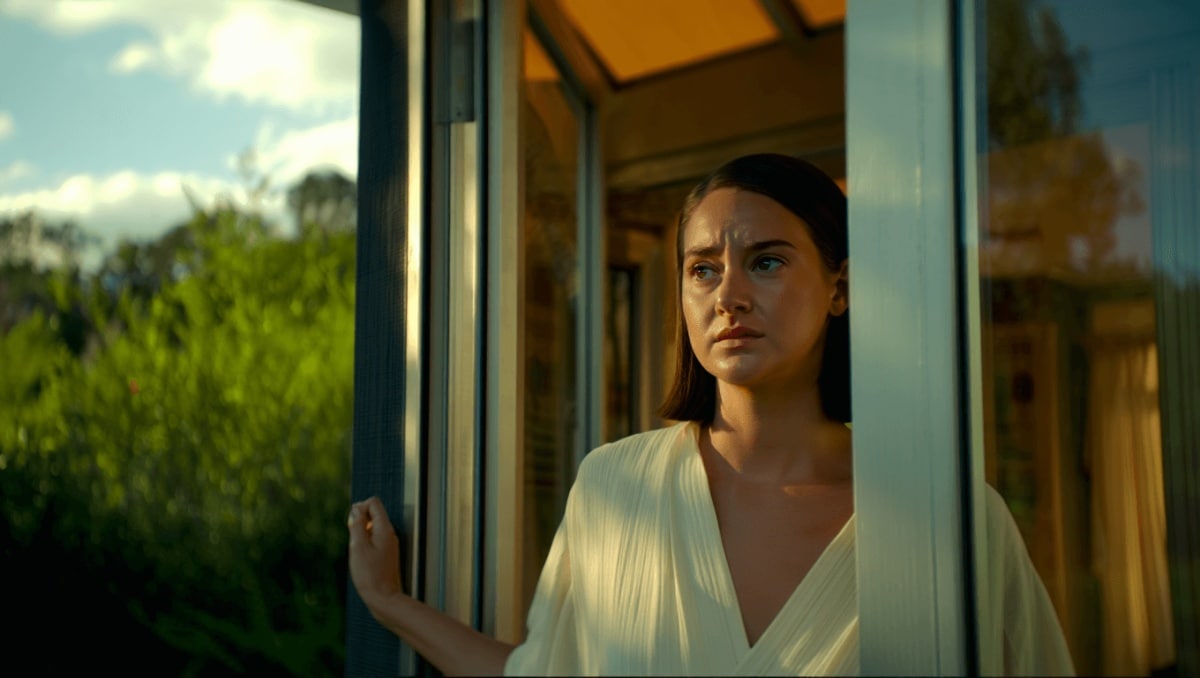
Sterling K. Brown continues to anchor much of the drama. His portrayal leans into restraint and longing. The premiere’s outside-world sequences also allow Shailene Woodley to shine. She plays a guide stranded in a famous landmark, and her performance moves from alarm to fragile hope.
New faces and standout performances
The broadened cast delivers several memorable turns. Among them:
- Shailene Woodley as an outsider adjusting to post-collapse solitude.
- Julianne Nicholson in a role that hints at scheming and influence.
- Supporting players who form makeshift families, from preppers to orphaned kids.
These actors help the show feel alive even when the plot stumbles.
Narrative drift: plot threads that fray
Expanding the scope exposes structural weaknesses. The series once relied on a central mystery. Now it spreads mysteries across many characters and places. That diffusion dilutes urgency.
- Promising arcs sometimes fizzle without payoff.
- Some intriguing figures remain inscrutable, not by design but by neglect.
- Key subplots get only sporadic attention.
When too many directions compete, the story loses momentum.
Flashbacks, pacing and the cost of context
Flashbacks are abundant this season. They often explain why people act the way they do. But the frequent time jumps interrupt momentum.
The show increasingly feels like a collection of origin stories connected by a shared present. That approach gives depth but slows the forward motion.
How flashbacks help — and how they hurt
- They add texture to characters’ motives.
- They sometimes reframe earlier choices in revealing ways.
- But they also fragment episodes and delay plot payoff.
Small errors that grow into bigger doubts
When a drama asks for trust, small lapses matter. A few careless details keep cropping up.
- Practical questions about scavenging and passwords feel implausible.
- Props and IDs sometimes contradict their intended purpose.
- Occasional leaps in logic make scenes harder to accept on reflection.
Individually these flaws seem minor. Collectively they chip away at believability.
Tonal friction: sentiment vs. coherence
Paradise has always favored feeling over puzzle-solving. Season 2 pushes that tendency to the forefront. The show frequently aims for catharsis.
Heartbeats and tears are abundant. At times, that choice yields deeply moving television. At other moments, heavy-handed emotion masks weak plotting.
Character focus: who gets the light and who is left behind
With many new faces, some characters receive careful attention while others vanish into the periphery.
- Centrally placed characters get rich, often affecting backstories.
- Smaller arcs are introduced then abandoned.
- Female characters occasionally face reductive framing that softens their agency.
That uneven allocation of screen time makes certain developments feel perfunctory.
Best episodes and moments worth watching
Certain installments rise above the season’s scatter. The premiere’s outside-world portrait is one such highlight. Scenes that dwell on human connection also land strongly.
- A focused character episode can showcase a performer’s range.
- Quiet interactions often outshine spectacle.
- Moments of reunion provide the season’s most potent emotional payoff.
Where the series risks losing its original drive
Once driven by a single hooking mystery, Paradise now juggles many questions. Without a clear central strand, the series flirts with aimlessness.
Ambition keeps the show interesting. But diffusion of purpose creates gaps the emotional scenes can’t always bridge.
What remains salvageable in this sprawling second season
Despite its faults, the season offers pleasures. The cast’s chemistry and the tender set pieces keep viewers invested. Visuals of a ruined world can still be haunting.
When it works, Paradise feels truthful and human. When it doesn’t, loose plotting makes the experience uneven.










