
Show summary Hide summary
- Why this Grammy win matters for Spanish-language music
- Acceptance remarks: a message on immigration and dignity
- From the Grammy stage to the Super Bowl spotlight
- What scholars say: Bad Bunny as educator and resistor
- Past moments that foreshadowed his political stagecraft
- How the halftime show could resonate beyond music
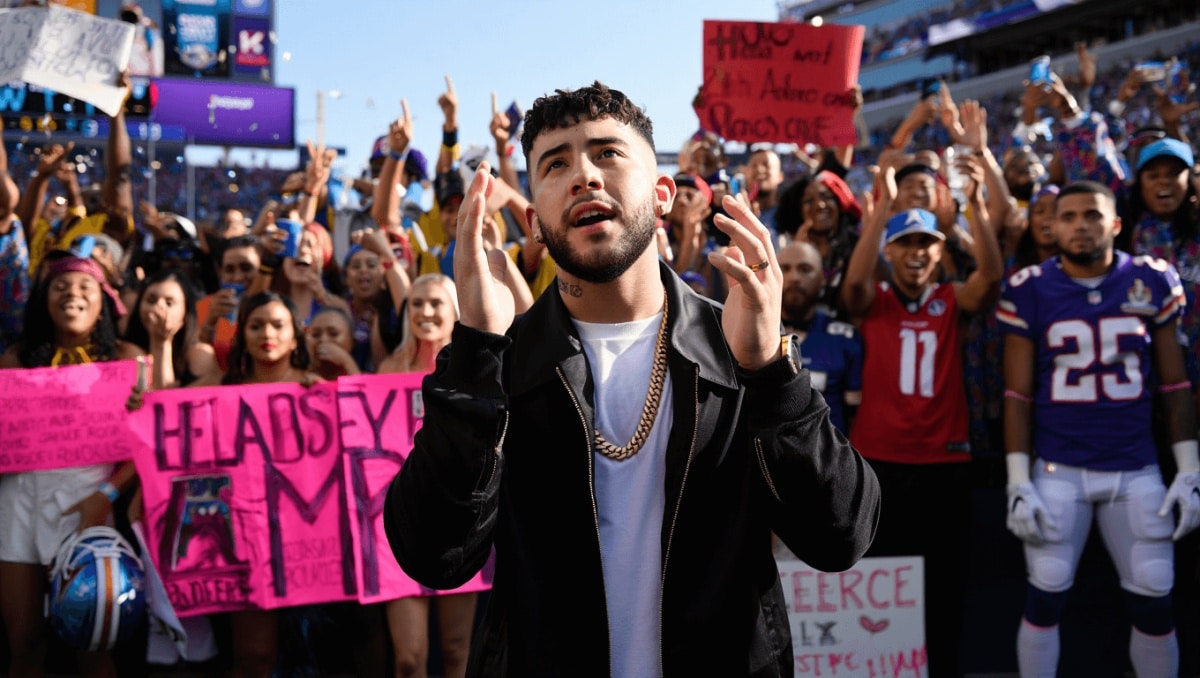
Bad Bunny stunned the music world at the 2026 Grammys, becoming the first artist to take home album of the year for a Spanish-language record. The Puerto Rican star also won in the best música urbana album category and claimed a trophy for best global music performance for “EoO.” His victory and fiery acceptance speech set the stage for a Super Bowl halftime performance that could be as political as it is celebratory.
Why this Grammy win matters for Spanish-language music
Debí Tirar Más Fotos made history by winning album of the year. The achievement marks a major shift in how mainstream U.S. awards recognize non-English projects.
Nas slams music industry over disrespect: teases new music, vows to address it
1992 vocal performances: 3 jaw-dropping moments that still amaze
- Bad Bunny, born Benito Antonio Martínez Ocasio, scored three major awards at the 2026 ceremony.
- The album’s recognition highlights reggaetón and música urbana as central to global pop, not niche genres.
- Industry gatekeepers face growing pressure to honor diverse languages and stories.
Acceptance remarks: a message on immigration and dignity
On stage, Bad Bunny used his Grammy moment to address immigration enforcement sweeping parts of the country. He denounced raids that target Latino communities and insisted on the basic humanity of those affected.
The Los Angeles crowd responded with loud approval. His statements underscored how his artistry and activism now intersect on major stages.
From the Grammy stage to the Super Bowl spotlight
The Super Bowl halftime will give Bad Bunny a far larger, more politically varied audience. The NFL, Apple Music and Roc Nation tapped him for the show last fall.
- Some critics objected to a Spanish-only catalog headlining the halftime show.
- Supporters argue this is a milestone for Spanish-language culture in mainstream U.S. media.
- The trailer from Apple Music hinted at a performance blending diverse ages, faces and abilities.
Expect a halftime set that blends spectacle, community and cultural pride.
What scholars say: Bad Bunny as educator and resistor
Petra R. Rivera-Rideau, chair of American Studies at Wellesley College, sees Bad Bunny as more than a pop star. She co-authored P FKN R: How Bad Bunny Became the Global Voice of Puerto Rican Resistance with Vanessa Díaz.
The pair also created the Bad Bunny Syllabus, an online teaching resource that links his music to Puerto Rican history and U.S. politics.
Three classroom lessons from Bad Bunny’s work
- Music as a gateway: Rivera-Rideau uses Bad Bunny to engage students, then moves into deeper lessons about Puerto Rico and U.S. history.
- Citizenship and racialization: Puerto Ricans are U.S. citizens, yet racialized perceptions of Spanish feed narratives that treat Latinos as outsiders.
- Joy as resistance: Protest can be celebratory. Rivera-Rideau describes Bad Bunny’s approach as using party energy to make political points.
Past moments that foreshadowed his political stagecraft
Rivera-Rideau points to early TV appearances and public statements where Bad Bunny called out political failures. Those moments connected his celebrity to island struggles after Hurricane Maria.
He has long woven Puerto Rican history and critique into his performances. That pattern suggests the Super Bowl set may carry political undertones as well as pop spectacle.
How the halftime show could resonate beyond music
If the trailer and recent speeches are any guide, the performance may center inclusion, visibility and pride. That framing could reach viewers who have never engaged with Spanish-language pop.
- Broad exposure could shift cultural expectations for mainstream events.
- It may also ignite fresh debates about language, identity and representation in U.S. media.
- For many, the halftime stage will be a moment to see Puerto Rican issues and Latino voices amplified on a global broadcast.










