
Show summary Hide summary
- How a silly song turned into a playground chorus
- Why children adopt nonsense phrases so fast
- What “chicken banana” actually means — and why that’s the point
- From “Baby Shark” to brain-rot aesthetics: the cultural lineage
- Where social media, AI aesthetics, and real kids collide
- How the trend moves from screens into classrooms
- Other trends to watch and recent notes from the beat
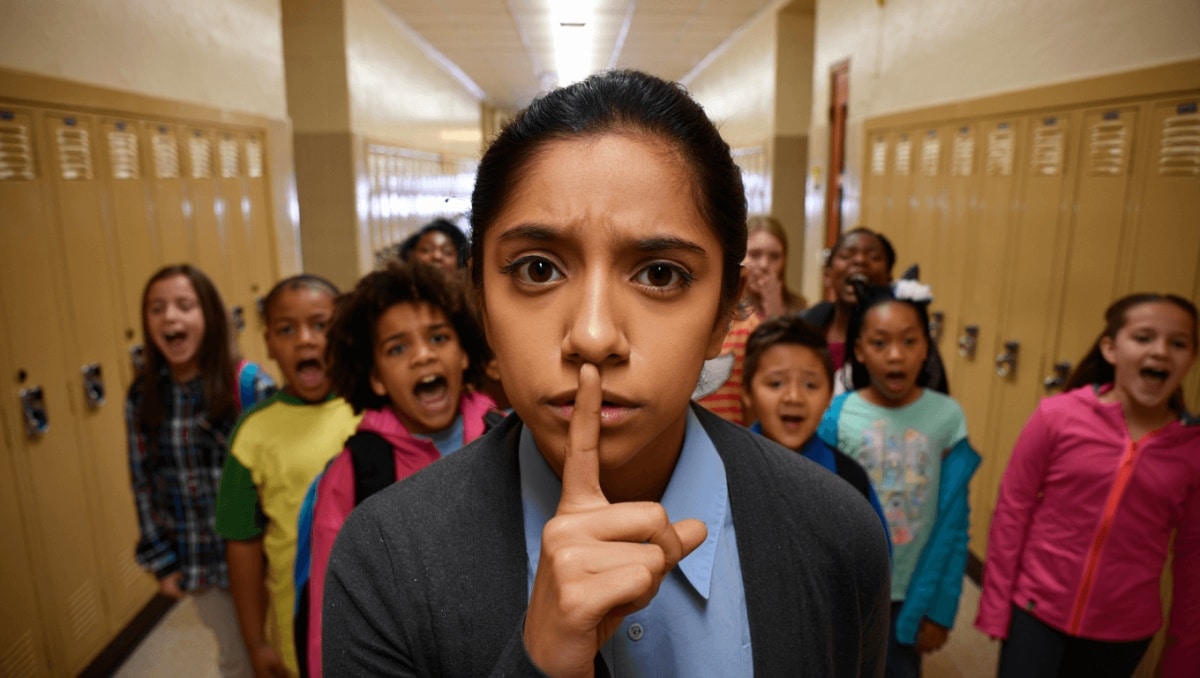
A teacher’s weary shushing cut through a school hallway, but the words that followed sounded stranger than any reprimand: a two-word chant that had been echoing through homes and playgrounds for months. At first it landed as a private joke in one apartment. Now the phrase travels between classrooms, playgrounds, and phone screens, baffling grown-ups while delighting the kids who shout it.
How a silly song turned into a playground chorus
The phrase started not as an inside joke but as a short, catchy track from a Swedish production team calling themselves Crazy Music Channel. The creators set out to pair two unlikely items and wrapped them in a fast, techno-inflected hook. The accompanying clip leaned hard into the absurd, combining animated animals and odd fruit hybrids.
Nas slams music industry over disrespect: teases new music, vows to address it
1992 vocal performances: 3 jaw-dropping moments that still amaze
That mix of a tuneful earworm and a surreal video pushed the song onto TikTok and Instagram. Users copied a simple dance and layered the music under countless short clips. What happened next was a familiar social-media arc: the tune spread quickly online, and then it spread offline, especially into younger circles.
A seventh-grade teacher in the Midwest noticed every student echoing the phrase in perfect unison. Parents report toddlers and early-elementary kids chanting it without having watched the original posting. In short order, the line leapt from viral clip to schoolyard mantra.
Why children adopt nonsense phrases so fast
Children have always hoarded silly sounds and secret codes. But today’s networked culture accelerates that process. A short audio clip can reach millions in hours. Kids who don’t use social platforms still encounter the results at school, on tablets, or through older siblings.
- Instant validation: a trend that looks popular online signals it’s worth copying.
- Peer pressure: once a few kids adopt a line, others join to fit in.
- Ownership: repeating an absurd phrase is a way for kids to make culture feel like theirs.
For many children, the appeal is simple: it’s funny, weird, and a little rebellious. Saying something that adults don’t understand gives kids a harmless advantage in shared spaces like classrooms and car rides.
What “chicken banana” actually means — and why that’s the point
There is no fixed dictionary entry for this chant. Instead, kids use it as a flexible emotional tool. It can signal excitement, mock sadness, or simply punctuate a moment of silliness. That ambiguity is part of its effectiveness.
Teachers and parents describe hearing it used in many tones — jubilant, longing, or simply to break silence. The lack of an obvious meaning lets children repurpose the phrase for different moods. In that way, it behaves like a meme rather than a word.
From “Baby Shark” to brain-rot aesthetics: the cultural lineage
Novelty songs aimed at kids are nothing new. Think of the global footprint left by toy-friendly earworms over the past decade. But this latest wave sits at the intersection of internet absurdism and algorithmic spread.
The visual style of the original video — an improbable mashup of animals, food, and lo-fi motion — fits into a larger “brain rot” aesthetic. That term describes intentionally nonsensical or surreal content. Once niche online, it now surfaces in children’s media and in the clips they encounter daily.
Producers of the original track have already tried to repeat the formula. Their follow-up drop uses another animal-themed concept and leans into even stranger visuals. That move shows how creators chase viral lightning with sequels designed to be as memetic as their predecessor.
Memes kids inherit and adapt
- Old internet classics, like keyboard-playing cats, taught younger viewers that visual weirdness can be funny.
- New songs borrow that legacy, reshaping it for a generation raised on short videos.
- Children remix and repurpose these fragments, turning them into a private cultural currency at school.
Where social media, AI aesthetics, and real kids collide
Part of the fascination is technical and aesthetic. The phrase evokes the kind of surreal pairings that often come out of low-effort AI outputs. Kids describe the mix as “like the internet made a glitch and then sang it.” But the source here is human musicians leaning into that glitchy vibe.
This collision matters because it shows how AI-like aesthetics have become mainstream. A line that feels tossed-off or generated can still come from careful production. In other words, the distinction between human whim and algorithmic oddity is blurring.
How the trend moves from screens into classrooms
The transmission path is often indirect. A viral clip on TikTok becomes a dance; an older sibling shows it to a younger child; the younger child brings the line to school. Sometimes the phrase spreads without any child ever watching the original video.
- Schoolyard repetition solidifies the phrase.
- Teachers encounter it first as noise, then as a cultural sign.
- Adults are often left puzzled, which only encourages kids to keep using it.
For many children, confusing adults is part of the fun. It’s a form of gentle cultural resistance. Repeating an absurd chant lets them create a shared identity separate from adult expectations.
Other trends to watch and recent notes from the beat
While playful earworms dominate playgrounds, other stories about children and youth make news. In recent reporting:
- A young child detained at the border was later released with family. Advocacy groups continue to raise concerns about care in detention facilities.
- Health experts warn of a potentially severe pediatric flu season. Lower vaccination rates are likely a key factor.
- Handwriting habits are shifting. Several states have reintroduced cursive lessons into school curricula.
- On the lighter side, kids are rediscovering nostalgic book series about neighborhood monsters and mischief.
If creators keep producing digestible, shareable clips, expect more unpredictable phrases to explode into children’s daily speech. The next viral two-word combo is likely already incubating in some studio or on someone’s phone.










