
Show summary Hide summary
- Who now owns TikTok in the United States?
- Why are users reporting censorship and broken features?
- How this compares to other platform takeovers
- What’s new in TikTok’s terms of service and privacy language?
- Will the TikTok algorithm look or behave differently?
- Practical steps users can take now
- Signals to watch as the transition unfolds
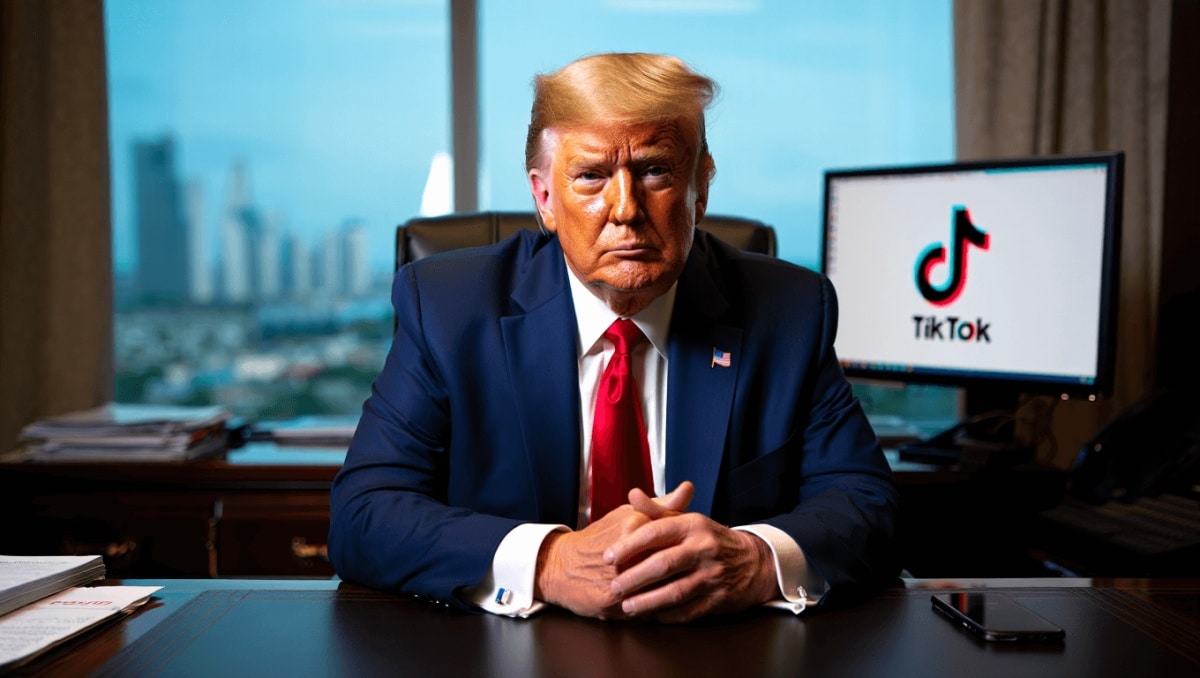
The U.S. version of TikTok is in the spotlight after a sudden change in ownership triggered outages, privacy worries, and fresh accusations of censorship. Users, journalists, and tech watchers are sorting through glitches and new policies to figure out what this handover means for everyday use of the app.
Who now owns TikTok in the United States?
ByteDance transferred TikTok’s U.S. operations to a consortium largely made up of American and allied firms. The roster includes Oracle, Silver Lake, and MGX, among others.
Nas slams music industry over disrespect: teases new music, vows to address it
1992 vocal performances: 3 jaw-dropping moments that still amaze
- Oracle: The enterprise software giant led by Larry Ellison. It was tapped to host much of TikTok’s U.S. user data.
- Silver Lake: A private equity firm with experience in tech investments.
- MGX: An Abu Dhabi-based investor also linked to recent crypto ventures.
Lawmakers pushed for a U.S.-centric ownership model to reduce perceived foreign influence. But the shift has created new operational and trust challenges.
Why are users reporting censorship and broken features?
Claims of censorship spread quickly after the takeover. But many problems appear to stem from infrastructure failures.
Reported user issues
- Videos about recent events received few or no views.
- Some uploads failed to complete or disappeared.
- Certain direct messages, including messages referencing sensitive names, reportedly did not send.
Investigations point to a major outage at a U.S. data center used by the new owners. The data center operator cited a weather-related incident affecting services in Virginia.
Technical outages and migration errors are often mistaken for deliberate suppression. At the moment, simpler explanations—like server failures or misconfigured systems—fit the evidence better than coordinated censorship.
How this compares to other platform takeovers
When high-profile platform ownership changes happen, the operator’s public actions reveal intent. In other tech takeovers, new leaders openly announced policy shifts that changed user experience.
With TikTok’s new team, there has been no explicit decree to alter content moderation in plain sight. That lack of public direction makes it harder to prove intentional censorship right now.
What’s new in TikTok’s terms of service and privacy language?
The updated terms introduce a few notable points that drew immediate attention.
- More precise location collection is permitted if users allow it.
- Expanded language around data collection for AI and machine learning features.
- Clauses implying increased use of generative AI to power in-app features.
Some of these capabilities were present in earlier versions of the policy. Still, readers are uneasy about new parties handling their data. Who controls that data now matters as much as the technical details.
Will the TikTok algorithm look or behave differently?
A central provision of the ownership deal requires a separation between the algorithm’s control and any foreign influence.
The new custodians say they will “retrain, test, and update” the recommendation model. That phrasing is intentionally vague.
- Retraining could mean adjustments to what content surfaces.
- Testing implies gradual rollouts rather than instant flips.
- Updates may be iterative and hard for users to detect immediately.
The core TikTok feed, driven by its recommendation system, is a major reason users stick with the app. Any meaningful change to that system will affect content discovery, creator reach, and user engagement.
Practical steps users can take now
If you’re worried about outages, privacy, or censorship, a few pragmatic moves can help you stay informed and protected.
- Check official statements from TikTok US and the new ownership group.
- Review app permissions and limit location sharing if you prefer.
- Keep the app updated and report bugs through in-app support.
- Follow trusted tech reporters and independent researchers for verification.
Signals to watch as the transition unfolds
Expect three things to clarify over the coming weeks and months: infrastructure stability, concrete changes to data handling, and visible shifts in moderation or recommendation behavior.
Authorities and independent auditors may request transparency audits. Meanwhile, user reports will continue to be a key early signal of systematic change.










