
Show summary Hide summary
- Bad Bunny at the Super Bowl: a cultural milestone
- From stages to politics: why his voice resonates
- How Bad Bunny shifted the 2024 governor’s race conversation
- Why younger Boricuas are considering independence
- Structural reasons the independence movement gains traction
- Practical hurdles to full sovereignty
- Polling, permanence, and political reality
- Voices on the ground: what supporters hope Bad Bunny will do
- Personal stories: identity, diaspora, and cultural pride
- Music, symbolism, and the new public square
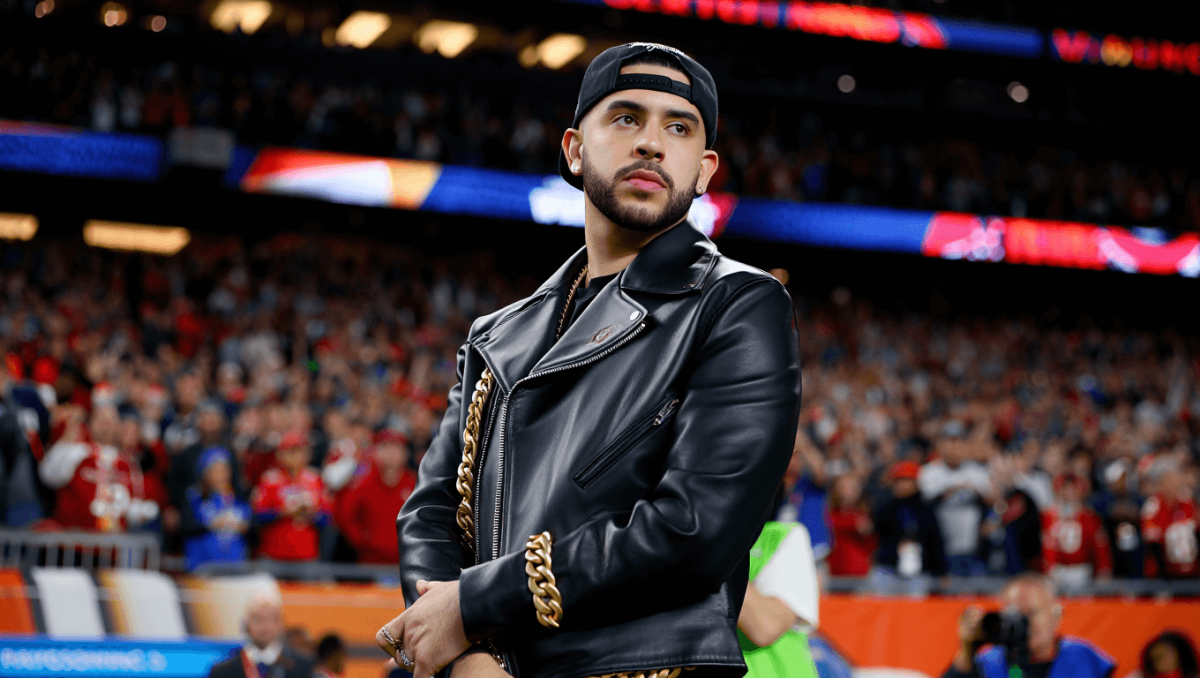
Rising from Puerto Rico’s barrios to the global stage, Bad Bunny arrives at the Super Bowl halftime show at a peak moment. His recent, Grammy-winning album Debí Tirar Más Fotos has amplified debates about colonialism, identity and life on the island. Now his visibility at the NFL’s biggest night magnifies a cultural and political conversation far beyond music.
Bad Bunny at the Super Bowl: a cultural milestone
Fans worldwide will watch Bad Bunny’s Super Bowl halftime set and see more than a pop moment. The Puerto Rican star is the first solo male Latin American headliner at halftime. That visibility brings an array of issues into mainstream attention.
Nas slams music industry over disrespect: teases new music, vows to address it
1992 vocal performances: 3 jaw-dropping moments that still amaze
His album, released to both critical praise and mass streaming, blends personal stories with island history. The record’s themes connect to migration, urban change, and Puerto Rican pride.
From stages to politics: why his voice resonates
Benito Antonio Martínez Ocasio has long mixed performance with political statements. He has publicly criticized federal immigration enforcement and used large platforms to call attention to island concerns.
Those actions have turned him into more than a musician for many fans. He has become an amplifier for debates about Puerto Rico’s future, from representation to sovereignty.
How Bad Bunny shifted the 2024 governor’s race conversation
During the 2024 campaign season, the artist used billboards, rallies, and social media to challenge traditional parties. He urged young voters to register and suggested dissatisfaction with the established two-party system.
- He publicly opposed the pro-statehood candidate aligned with the mainland conservative movement.
- He backed broader civic engagement rather than a single party line.
- His involvement coincided with a notable second-place finish for an independence-aligned contender.
That result energized independence activists, who see his celebrity as widening their message’s reach.
Why younger Boricuas are considering independence
A generation shaped by crisis now questions old assumptions. Repeated natural disasters, austerity policies, and job instability have left many feeling betrayed.
Experts describe this cohort as a “crisis generation.” Their lived reality fuels fresh interest in political alternatives, including discussions about sovereignty.
- Economic instability and the debt crisis tightened life chances for many.
- Hurricane Maria and subsequent recovery gaps deepened frustration with federal response.
- Daily hardships such as power outages and rising living costs feed cultural resistance.
Structural reasons the independence movement gains traction
Longstanding federal controls shape island life. PROMESA, enacted to address Puerto Rico’s debt, created a fiscal oversight board with significant power.
Residents also navigate capped federal aid programs and maritime restrictions that raise costs. Those policies feed arguments that the status quo limits self-determination.
Key policy pressures
- PROMESA and an appointed oversight board that dictates fiscal priorities.
- Capped block grants for nutrition and health care that do not flex with rising need.
- The Jones Act, which raises shipping costs and affects supply chains.
Practical hurdles to full sovereignty
Supporters say independence should be negotiated and phased. Skeptics point to immediate risks.
- Citizenship and travel: Birthright citizenship could be in question, affecting mobility and family ties.
- Social safety nets: Medicare and Social Security currently cover many residents. Transitioning those systems would be complex and costly.
- Economy and infrastructure: A fragile grid, declining agriculture, and tourism pressures pose challenges for a stand-alone economy.
Alternative proposals such as free association aim to preserve some ties while granting more autonomy. Other models have worked for small Pacific states, but Puerto Rico’s size and proximity to the mainland complicate direct comparisons.
Polling, permanence, and political reality
When Puerto Ricans vote on status, statehood has often led. Recent ballots vary in format, which makes direct comparisons difficult. In 2024, options presented changed the dynamic of the vote.
Even with growing interest in sovereignty, statehood remains the plurality choice in most referendums. Still, activists argue that cultural visibility and political organizing have moved the needle.
Voices on the ground: what supporters hope Bad Bunny will do
Independence advocates welcome the spotlight. They view the artist as a bridge to younger islanders and to diaspora communities across the U.S.
His music videos and lyrics have reintroduced symbols once suppressed or rarely discussed in mainstream media.
Supporters believe his interviews and public statements create ripples. A single high-profile remark can draw hundreds of outlets and push the issue into national debate.
Personal stories: identity, diaspora, and cultural pride
Listeners in the diaspora report feeling seen. For many, Bad Bunny’s music opened doors to reclaiming Puerto Rican identity in unfamiliar communities.
Young activists credit his work with helping them reconnect to civic life and consider careers in public service.
Watch parties and gatherings around his performances become moments of cultural affirmation, where fans display historic flags and revive traditions.
Music, symbolism, and the new public square
Beyond lyrics, the rapper’s imagery has made political symbols visible to global audiences. Songs that mention everyday island struggles have become anthems in protests and social media conversations.
As Bad Bunny takes the Super Bowl stage, his presence will likely extend debates about Puerto Rico’s future to millions who may never have considered them before.










