
Show summary Hide summary
- How the series captures surveillance, social media and modern feuds
- Structure and pacing: short episodes, abrupt resolutions
- The ethics of gawking: documentary vs. exploitation
- Characters, influence and monetized conflict
- Recurring themes: fences, property lines and cultural symbolism
- Politics and geography: a noticeable Red-State focus
- Moments of empathy and the rare depth
- Production choices: fast edits, filters and short-form appeal
- What the show reveals about modern neighborliness and media
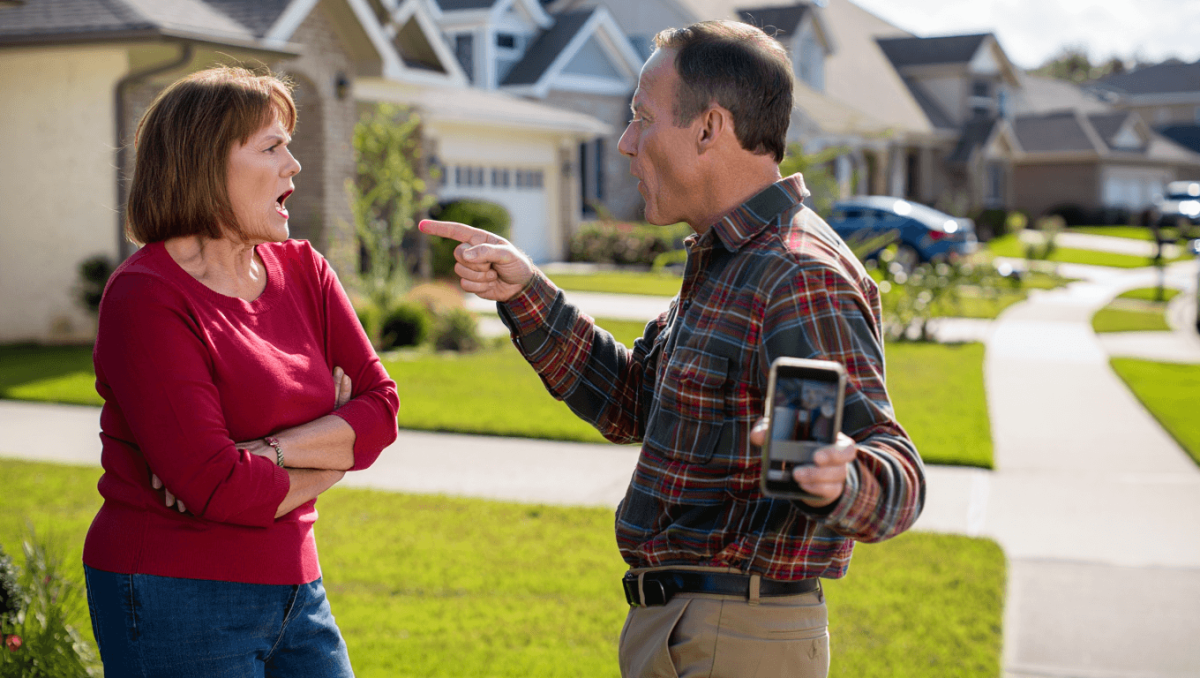
HBO’s late-night series Neighbors drops viewers into the friction-filled zones between yards and screens. The show pairs two neighborhood disputes per episode and uses social media, surveillance footage, and sharp editing to turn everyday grudges into charged spectacle. It’s unsettling, often revealing, and built to provoke reactions as much as reflection.
How the series captures surveillance, social media and modern feuds
Directors Harrison Fishman and Dylan Redford foreground the technology that shapes neighbor conflicts today. Cameras, phones, and TikTok clips become evidence and ammunition. The series probes how online attention amplifies small slights into viral scandals.
Nas slams music industry over disrespect: teases new music, vows to address it
1992 vocal performances: 3 jaw-dropping moments that still amaze
- Surveillance footage is treated as courtroom testimony and entertainment.
- Social platforms turn private grievances into monetized content.
- Political polarization and pandemic isolation magnify ordinary tensions.
The result is a portrait of interpersonal conflict that reads like a microcosm of America’s louder disputes.
Structure and pacing: short episodes, abrupt resolutions
Each half-hour pairs two neighbor pairings. Sometimes the stories align. Often they don’t. The show moves fast, sometimes too fast.
Typical episode pattern
- Introduction of neighbors and the spark of conflict.
- Surveillance clips and social-media posts escalate the dispute.
- A compressed confrontation, or an unresolved stop.
Some stories wrap tidily in 30 minutes. Others end mid-conflict, reflecting the inconclusive nature of many neighborhood disputes. That inconsistency unsettles the show’s rhythm.
The ethics of gawking: documentary vs. exploitation
Neighbors often flirts with humiliation. The editing invites viewers to laugh at eccentric behavior. At times the show seems to treat real people as comic props for clicks.
- Many participants are already public figures, including social-media creators.
- The show foregrounds personal quirks and private grievances for public amusement.
- There’s a frequent tilt toward mockery rather than empathy.
When the camera’s intent feels revelatory, it can still land as intrusive. The line between exposure and exploitation blurs repeatedly.
Characters, influence and monetized conflict
Several featured neighbors profit from attention. The series showcases creators who boost income and influence through controversy. That reality complicates the moral stance of the program.
- A TikTok performer with millions of followers becomes a central figure in one dispute.
- An author whose eccentric beliefs financed an extravagant wall appears as a foil.
- Creators monetize outrage, then resent its real-world fallout.
The show implies a transaction: personal drama becomes content, and content becomes currency.
Recurring themes: fences, property lines and cultural symbolism
Physical boundaries recur as metaphors and flashpoints. Small parcels of grass, the height of a wall, and other literal divisions ignite symbolic fights.
- Boundary disputes escalate into character judgments.
- Some conflicts might be resolved with clearer property lines.
- Other fights reveal deeper social or ideological rifts.
Many episodes turn physical barriers into shorthand for social distance.
Politics and geography: a noticeable Red-State focus
The series leans heavily on stories from Trump-leaning regions. That choice shapes the show’s tone and the kinds of eccentricities it showcases.
When political identity becomes shorthand for bad behavior, nuance gets lost. A few plots reduce complex motives to partisan caricatures.
Moments of empathy and the rare depth
Not every installment is pure ridicule. One episode departs from the formula and offers unexpected empathy. Danny, a septuagenarian who prefers public nudity, becomes more than a punch line.
He travels to a nudist community and the episode asks whether deviance is context-dependent. The show briefly examines how environment reshapes judgment.
That episode proves the series can probe complexity when it slows down. Yet these humane beats are rare.
Production choices: fast edits, filters and short-form appeal
Fishman and Redford favor visual flash. Filters, quick cuts, and social-media aesthetics give the series a clipped, viral-friendly feel. Those choices please viewers accustomed to short-form content.
- The style amplifies spectacle but shortens attention to nuance.
- Visual effects often distract from character motivation.
- When the show allows quiet moments, it occasionally finds surprising insight.
What the show reveals about modern neighborliness and media
At its core, Neighbors explores how proximity and publicity collide. Private conflicts become public narratives. Small acts of incivility are magnified into cultural commentary.
The program suggests that our backyard quarrels now reflect broader fractures in society. It also asks whether turning those fights into entertainment helps anyone.










