
Show summary Hide summary
- What the film explores: separation, space and silence
- Visual storytelling and the power of landscape
- Family life observed: children as moral centers
- Shifts into fantasy and dark humor
- Performances anchored in lived authenticity
- How Pálmason links love, labor and landscape
- Tone, pacing and what viewers might expect
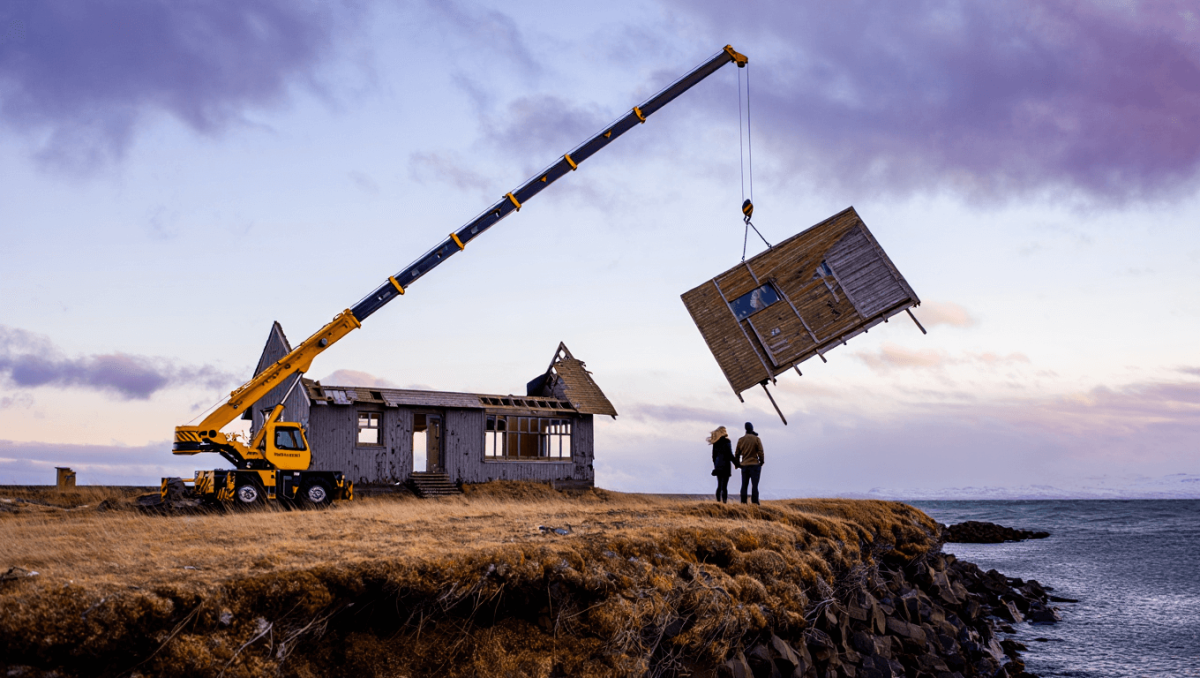
On a windswept Icelandic shoreline, a crane lifts a roof away from an empty building. That quiet opening sequence in Hlynur Pálmason’s new film, The Love That Remains, sets a mood more than a plot. The image lingers. The sea and sky feel like characters. From this calm dismantling of shelter, the movie unfolds into a study of family, loss, and the small violences of everyday life.
What the film explores: separation, space and silence
Pálmason begins after a relationship has already fallen apart. Viewers are dropped into the aftermath, where routines remain but the emotional center has shifted. Anna, an artist played by Saga Garðarsdóttir, watches her studio roof being removed. The act is literal and symbolic. Her practice, once indoors, moves into open weather.
Nas slams music industry over disrespect: teases new music, vows to address it
1992 vocal performances: 3 jaw-dropping moments that still amaze
Magnús, played by Sverrir Guðnason, is an industrial fisherman who oscillates between presence and absence. He returns home in intermittent bursts. His attempts to reinsert himself into family life feel awkward and tentative.
- Anna: a creative who must adapt when her workspace disappears.
- Magnús: a seafarer whose authority is eroding.
- The children: played by the director’s own offspring, whose viewpoints shift how the story is felt.
Visual storytelling and the power of landscape
Pálmason’s camera treats Iceland’s environment as more than backdrop. Wide frames and patient takes let wind, rock and surf register like moods. The director’s images are at once beautiful and unforgiving.
The film alternates domestic snapshots with close studies of nature. Lush fields sit beside a mushroom being torn open. A piano-driven score underlines those contrasts. Together, image and sound make the landscape feel active, almost judgmental.
Recurring motifs that anchor the film
- Water: Magnús spends hours at sea, often shown surrendering to waves.
- Animals: a dog called Panda and the memory of a killed rooster underscore grief and small comforts.
- Tools and materials: Anna presses iron slabs onto canvas, merging art-making with elemental forces.
Family life observed: children as moral centers
The movie gives the youngest characters real weight. At times, they serve as the clearest moral compass. In one roadside scene, Magnús admits he killed the family rooster. Ída, his teenage daughter, reacts with a blunt ethical certainty.
That exchange underlines a key idea: adulthood does not always equal wisdom. The kids’ bluntness and moral clarity often expose compromises grownups accept. Pálmason stages these scenes with a spare touch. Conversations feel lived-in, not scripted to teach.
Shifts into fantasy and dark humor
Amid the film’s restrained realism, Pálmason slips into surreal interludes. These beats are brief but sharp. They break tonal expectations and reveal interior life.
- A gallery meeting inflates into an imagined catastrophe aimed at a pretentious dealer.
- A giant rooster appears in a hallucinatory sequence that punishes memory and guilt.
These moments mix unease with a sly comedic edge. They also remind us that grief and resentment can take playful, unsettling forms.
Performances anchored in lived authenticity
The casting choices give the film a documentary feel. The children are the director’s actual family members, and the family dog is real. That authenticity shows on screen. Scenes of daily life—meals, small fights, shared silences—gain texture because they feel undirected and honest.
Sverrir Guðnason’s Magnús is neither villain nor hero. He is a man caught between force and surrender. At sea, he sometimes appears powerful. On land, the same gestures read as fumbling. Saga Garðarsdóttir’s Anna carries both resilience and fatigue. Her artmaking scenes show how creation can be a way to manage loss.
How Pálmason links love, labor and landscape
Compared with his previous work, including Godland, Pálmason continues to ask how humans belong to place. He does not deliver tidy answers. Instead, he assembles small evidences: a rusted tool, a child’s stare, a rooftop drifting out to sea.
Love in this film is not a thesis. It is a texture. It exists in the tiny acts that keep a household functioning, and in the moments when those acts fail.
Key scenes that illustrate the film’s approach
- The opening demolition, a quiet claim that a domestic life has been interrupted.
- Anna working outdoors, using iron to press shapes into canvas.
- Ída’s confrontation with Magnús about the rooster and adult compromises.
- Surreal sequences that fuse guilt with imagination.
Tone, pacing and what viewers might expect
The Love That Remains moves deliberately. Pálmason trusts viewers to sit with images and coax meaning from them. If you prefer plot-driven narratives, the film may feel meandering. But if you welcome mood, observation and small revelatory moments, it rewards patience.
Expect long takes, minimal exposition, and a soundtrack that leans on piano motifs. The film’s edges are soft but emotionally precise.










