
Show summary Hide summary
- Why the quad axel gives Ilia Malinin an unmissable edge in figure skating
- How Malinin’s technique and physics create a competitive gap
- What Malinin’s rise means for U.S. figure skating and future stars
- Balancing artistry and athleticism: could Malinin become a complete skater?
- Where coaches look to find the next quad jumper
- How much higher can Malinin climb?
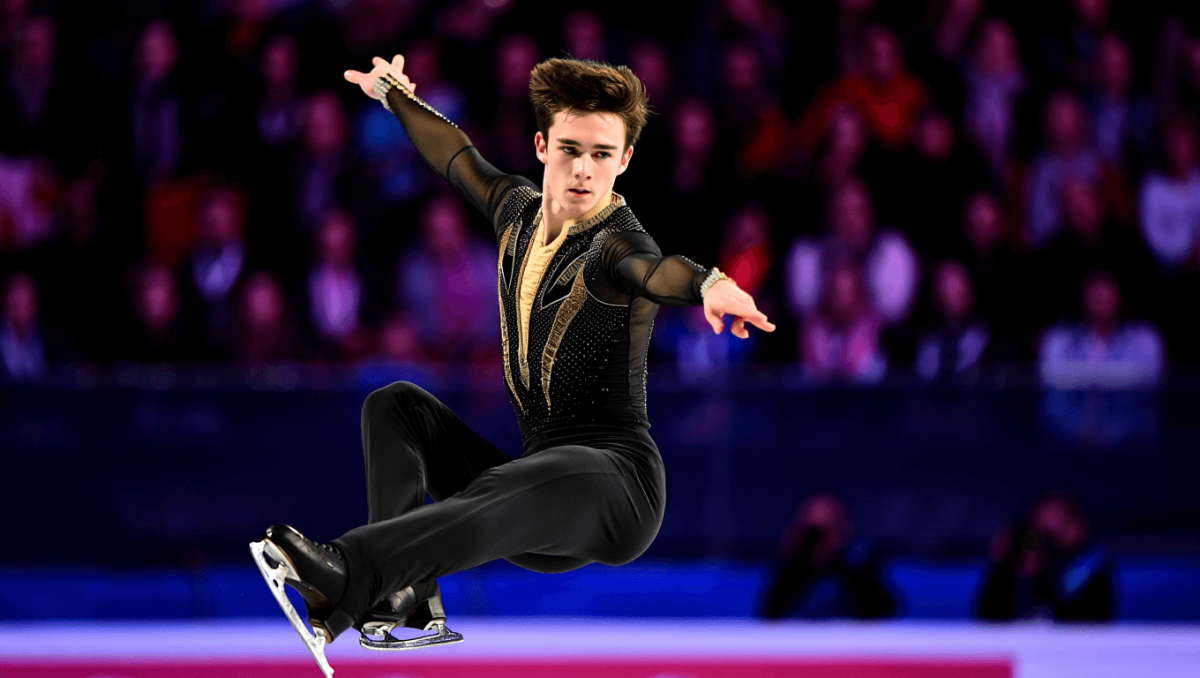
Figure skating thrives on split-second drama. Skaters launch, twist, and land while the crowd holds its breath. For Ilia Malinin, that drama often reads like domination. He pairs jaw-dropping athleticism with a rare calm, and at the 2026 Winter Games he has already helped the United States to team gold. Malinin placed second in the short program and then won the free skate with a 200.03 score, and he is now among the favorites in the men’s individual event.
Why the quad axel gives Ilia Malinin an unmissable edge in figure skating
The axel jump has long been the benchmark of difficulty in skating. It requires an extra half-rotation and a forward takeoff, a combination that makes it harder than other jumps.
Nas slams music industry over disrespect: teases new music, vows to address it
1992 vocal performances: 3 jaw-dropping moments that still amaze
For decades, the triple axel was the apex of risk. The first clean triple axel in international competition came in 1978, and the jump has defined many Olympic moments since.
Attempts to add a fourth revolution to the axel seemed almost mythical. Even the sport’s greats tried and fell short. In 2022, Yuzuru Hanyu attempted a quad axel at the Beijing Games but did not complete it in competition.
Malinin changed that script. At 17, he landed the first quad axel officially recognized by the International Skating Union. He did it during Skate America, inserting a level of technical difficulty few thought possible.
- He executes multiple quadruple jumps in a single program.
- Scientists note his vertical height and rotation speed as key factors.
- Coaches call his technique exceptional, giving him consistency under pressure.
Because modern scoring rewards the hardest elements, Malinin’s quad axel yields outsized returns. When he lands it, he not only scores big but often turns contests into clear victories.
How Malinin’s technique and physics create a competitive gap
Experts split the explanation between coaching and biomechanics. Technical mastery lets a skater turn faster and position better in the air. Biomechanical analysis shows Malinin jumps higher on his quad axel than other skaters jump on their triple axels.
That combination — superior technique plus unusual vertical lift — is rare. If someone could fully explain it, the sport would rush to study and replicate it.
Skating analysts say Malinin’s ability to attempt extreme elements and land them is what sets him apart. He consistently includes high-value jumps quietly and cleanly, which forces rivals to chase points rather than polish marks.
The risk-reward logic of today’s scoring
Current scoring pushes athletes toward risk. The most difficult jumps yield the biggest gains. That means a skater who can land quads reliably has a big advantage.
- Top quads generate technical points and performance leverage.
- Consistency turns risky strategy into a dominant formula.
- Malinin’s execution converts high difficulty into predictable wins.
What Malinin’s rise means for U.S. figure skating and future stars
Malinin’s presence at the top may signal a cultural and developmental shift in American skating. If he captures individual gold, the U.S. would secure back-to-back Olympic men’s titles for the first time since the late 1980s.
His success also inspires a new generation. When a young athlete sees a compatriot reach the top, the path becomes imaginable. Coaches and officials say role models accelerate participation and aspiration.
U.S. Figure Skating has changed how it finds and trains talent. Scouts now look for early signs of rotational speed more than raw jump height. That shift affects programs from local rinks to national camps.
- Scouting focuses on children as young as eight to ten.
- Rotation speed in jumps is a key predictive skill.
- Training methods now emphasize earlier technical readiness.
From Nathan Chen to Ilia Malinin: the domino effect
Nathan Chen’s Olympic performance, which featured five quad jumps, showed what elite quads could do. Malinin watched and absorbed those lessons. Having two generational talents in succession is unusual for any nation.
Officials describe the tandem as a rare window for U.S. dominance. Even if the sport finds its next star later, the current exposure widens the talent pool.
Balancing artistry and athleticism: could Malinin become a complete skater?
Figure skating has long wrestled with the balance between pure athletic achievement and expressive performance. As quadruple jumps grew more central, some feared artistry would take a back seat.
Malinin may avoid that trade-off. He has shown interest in choreography, music connection, and audience engagement. Observers note that his technical tools could coexist with expressive growth.
Mentors and choreographers point out his curiosity about movement and performance. At 21, he still has room to deepen interpretive skills that come with life experience.
If he develops both sides, Malinin could follow the rare example of skaters who fuse technical supremacy with compelling artistry.
Where coaches look to find the next quad jumper
Talent identification now starts earlier and more scientifically. Scouts prioritize how quickly a skater can spin in the air. That rotational speed often predicts capacity for quadruple jumps later on.
Training systems have adapted. Coaching methods emphasize early development of rotation mechanics and safe progressions for young athletes.
- Spot kids with fast air rotations around age 8–10.
- Build technique steadily to avoid injury.
- Integrate choreography so athleticism does not replace artistry.
How much higher can Malinin climb?
Even with unprecedented achievements, the sense that he can still improve is striking. The mix of technical polish, physical potential, and artistic curiosity leaves room for growth.
That possibility changes the narrative. Until now, watching Malinin sometimes meant expecting the outcome. The idea that he could become even better restores a new form of suspense.
As he matures, observers will watch whether he refines performance nuance while maintaining or increasing technical difficulty. That evolution will determine how history remembers him.










