
Show summary Hide summary
- How this reimagining departs from the 1989 cult film
- Who populates Hinkley Hills: cast and characters
- Plot shape and the central mystery
- Tone, direction, and visual choices
- Themes: conformity, race, and suburban mythmaking
- Where the series succeeds
- Where it struggles and feels uneven
- Production context and creative team
- Final notes on watching and audience fit
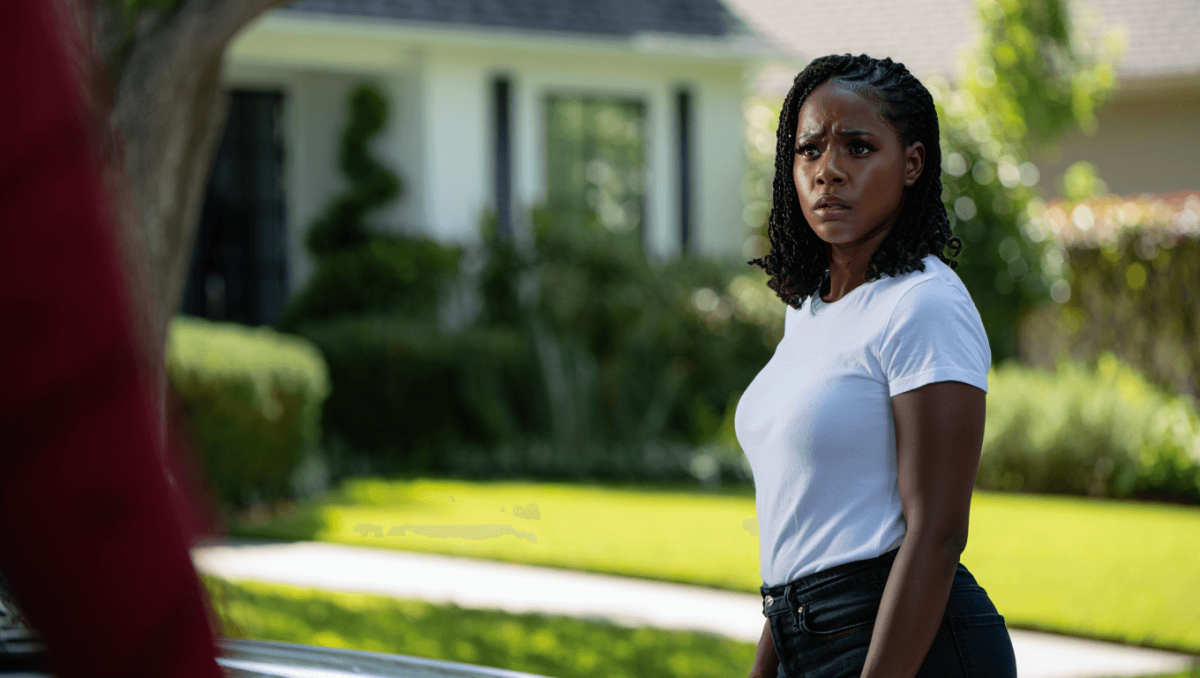
Peacock’s new series borrows the premise of the 1989 Tom Hanks film but plants its stakes elsewhere: a new mother begins to suspect a neighbor is hiding a dark secret in an otherwise spotless cul-de-sac.
How this reimagining departs from the 1989 cult film
Rather than centering on a longstanding resident watching suspicious newcomers, the show flips the dynamic. Two freshly arrived couples move into Hinkley Hills. The newcomers must learn the rules of the street while facing a mysterious recluse across the way.
Nas slams music industry over disrespect: teases new music, vows to address it
1992 vocal performances: 3 jaw-dropping moments that still amaze
This change gives the series more room to explore modern suburban life. It swaps one paranoid point of view for multiple perspectives. That choice helps the show expand themes but also spreads its focus thin.
Who populates Hinkley Hills: cast and characters
The ensemble mixes established comics with dramatic players. Their performances shape how believable the neighborhood feels.
- Keke Palmer plays Samira, a new mom balancing curiosity and fatigue.
- Jack Whitehall is Rob Fisher, the husband who returns to his childhood home.
- Justin Kirk portrays Gary, a brooding recluse in a run-down Victorian.
- RJ Cyler appears as Langston, Samira’s pragmatic brother.
- Supporting turns from Julia Duffy, Paula Pell and Mark Proksch round out the neighbors.
Standouts and scene-stealers
Palmer anchors the show with warmth and nimble comedic timing. Her chemistry with Whitehall makes the couple feel genuine. Cyler leaves an impression in a limited role, bringing grounded energy to Samira’s occasional doubts.
Plot shape and the central mystery
Samira grows convinced Gary is connected to a teen’s disappearance from decades earlier. The plot nudges her toward obsession, feeding the show’s tension between paranoia and real danger. Baby duties, boredom, and real cultural friction add texture to her suspicions.
The mystery is revealed gradually. For a while, characters are sketched lightly so any one of them could plausibly be the villain. Midseason shifts clarify motives but also expose some loose logic.
Tone, direction, and visual choices
Nzingha Stewart gives the premiere a mix of sly satire and earnest beats. The show teeters between dark comedy and earnest drama. That tonal tug-of-war occasionally makes scenes feel uneven.
Costumes underline cultural contrasts. Trendy, expressive outfits emphasize Samira’s difference from her neighbors. Trayce Gigi Field’s choices are a small but effective part of worldbuilding.
Themes: conformity, race, and suburban mythmaking
The series uses Hinkley Hills to examine the myth of safe suburbia. Beneath white picket fences, it asks what social comfort costs. Samira’s outsider status — as a Black woman and former city lawyer — sharpens the show’s focus on belonging.
Microaggressions and coded politeness are recurring motifs. Scenes where neighbors fumble introductions or police are called after a friendly gesture underline how quickly niceness can curdle into suspicion.
Where the series succeeds
- Strong lead performance by Keke Palmer keeps the plot grounded.
- Fresh perspective on a known premise gives the show room to explore new ideas.
- Supporting comics deliver frequent laughs and memorable quirks.
- The central mystery sustains curiosity through early episodes.
Where it struggles and feels uneven
- Inconsistent tone makes it hard to pin down whether the show is satirical or serious.
- Many neighbors stay surface-level for too long, limiting emotional payoff.
- Some reveals rely on convenient logic, leaving unanswered questions.
Ensemble depth and pacing issues
The need to keep suspects ambiguous weakens character depth. When identities become clear around episode five, relationships finally gel. Even so, gaps in motivation and unexplained plot turns reduce dramatic satisfaction.
Production context and creative team
Celeste Hughey created the series, bringing experience from shows that blend small-town gloss with hidden rot. The writers lean into genre mechanics while updating the material for contemporary anxieties.
The show feels like an attempt to expand a single, cinematic idea into serialized storytelling. At times that expansion pays off. At others, it stretches scenes thin.
Final notes on watching and audience fit
Fans of suburban mysteries and dark comedies will find elements to enjoy. Those expecting a tight, suspense-first thriller may be frustrated by meandering stretches and tonal shifts.
The show is worth sampling for Palmer’s magnetic lead turn and a few inspired scenes that recontextualize the original film’s premise.










