
Show summary Hide summary
- Why 2025 felt like a turning point for China’s soft power
- Blockbusters, games, and toys that broke out
- Pop culture mechanics: how Labubu and Pop Mart became visible icons
- Behind the creativity: the people and funding lifting Chinese culture
- Regulation, content limits, and the types of stories that travel
- Economic soft power: how products change perceptions
- What to watch in 2026: trends and potential breakthroughs
China’s cultural footprint grew strikingly in 2025, surprising many who expected U.S. pressure to blunt Beijing’s global reach. Movies, video games, and collectible toys from China reached far beyond the mainland, shifting perceptions and creating economic ripple effects abroad.
Why 2025 felt like a turning point for China’s soft power
China’s economy had long signaled strength in manufacturing and trade. But 2025 revealed a new front: popular culture that resonated overseas. This wasn’t just a few niche hits. From animated epics to blockbuster games and trendy collectibles, Chinese cultural goods found audiences outside their borders like never before.
The rise of these exports matters. Cultural influence shapes how people view a country. For the United States and other markets, seeing Chinese stories and products in daily life changes familiarity and sentiment.
Nas slams music industry over disrespect: teases new music, vows to address it
1992 vocal performances: 3 jaw-dropping moments that still amaze
Blockbusters, games, and toys that broke out
Some cultural products became unavoidable. They also show the variety of China’s export gains.
- Animated cinema: A domestic animated film topped box office charts and attracted international viewers. Its success underscored a growing appetite for Chinese storytelling.
- Video games: Titles rooted in Chinese myths drew global players and boosted tourism to locations featured in-game.
- Collectibles: Designer toys and blind-box figures sparked collecting trends and retail momentum far beyond China’s cities.
These successes did more than sell tickets or toys. They pushed Chinese culture into everyday conversation in foreign markets. That visibility is a key component of soft power.
Pop culture mechanics: how Labubu and Pop Mart became visible icons
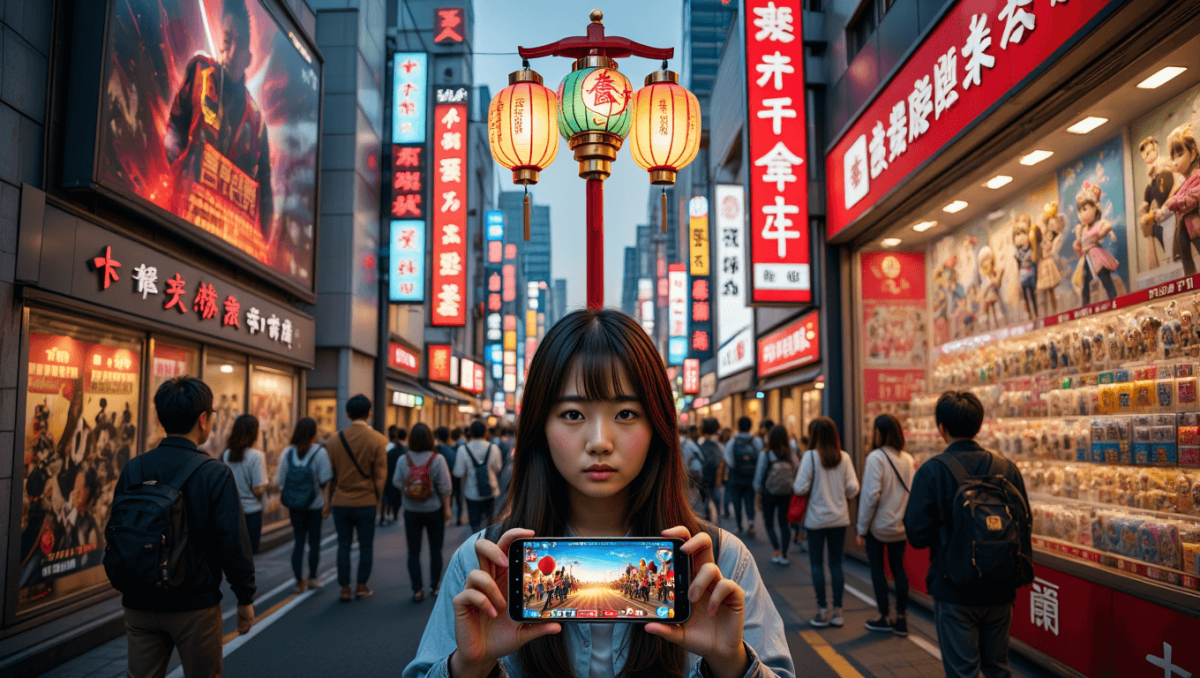
One emblem of the trend is a toy phenomenon born in China. Pop Mart’s figures are sold in blind boxes. Collectors crave rarity. The brand’s aesthetic is often called “ugly-cute.” Its rapid growth made these toys staples in shopping districts and online feeds.
The toy craze demonstrates a pattern: small, distinctive cultural products can scale rapidly when they tap into modern collecting habits. That scaling then fuels media attention and store openings internationally.
Behind the creativity: the people and funding lifting Chinese culture
A new generation of creators
Many creators driving this wave are in their late 30s and early 40s. They came of age when Chinese universities expanded. They used the internet during a relatively open period. As a result, they absorbed global influences and adapted them into domestic work.
More capital, more reach
Investment is another factor. Cultural companies now find funding easier to secure than before. While the Party prioritizes sectors like EVs and renewables, cultural ventures are seeing increased support. Better budgets mean higher production values and broader international marketing.
These two elements — younger creators and improved financing — explain why some Chinese cultural products now match global standards.
Regulation, content limits, and the types of stories that travel
China’s entertainment industry faces strict rules. Some subjects common in Western media are sensitive in China. That shapes the kind of content that is produced and exported.
- Romantic or explicit themes are often toned down.
- Supernatural or “superstitious” topics may be discouraged or reworked.
- Family and youth-oriented content is easier to approve and distribute.
As a result, much of the exportable content leans toward family-friendly material. That makes it more acceptable in diverse markets and simpler to sell globally.
Economic soft power: how products change perceptions
Cultural goods are only one route to influence. Consumer products also play a role. When shoppers abroad buy well-made Chinese electronics, toys, or household items, their impressions of China can shift.
Soft power extends beyond narratives. It includes everyday interactions with products and services. If high-quality Chinese goods become common in foreign homes, they become a form of influence.
What to watch in 2026: trends and potential breakthroughs
Expect these dynamics to continue and evolve.
- More youth-focused entertainment aimed at global audiences.
- Increased marketing and distribution of Chinese games and films overseas.
- Growth of consumer brands that enter U.S. retail channels.
- Ongoing visibility for collectible cultures like blind-box toys.
Industry observers note that China’s cultural expansion does not erase geopolitical tensions. But the rise of recognizable Chinese brands and entertainment creates softer, subtler influence that can complement Beijing’s economic might.










