
Show summary Hide summary
- How a cubicle cartoonist became a household name
- Background: education, early jobs and influences
- Creative experiments beyond the comic strip
- Health struggles and final public fight with cancer
- Controversies that reshaped his public image
- Political stances and moments of empathy
- Public reaction and what Adams asked of his audience
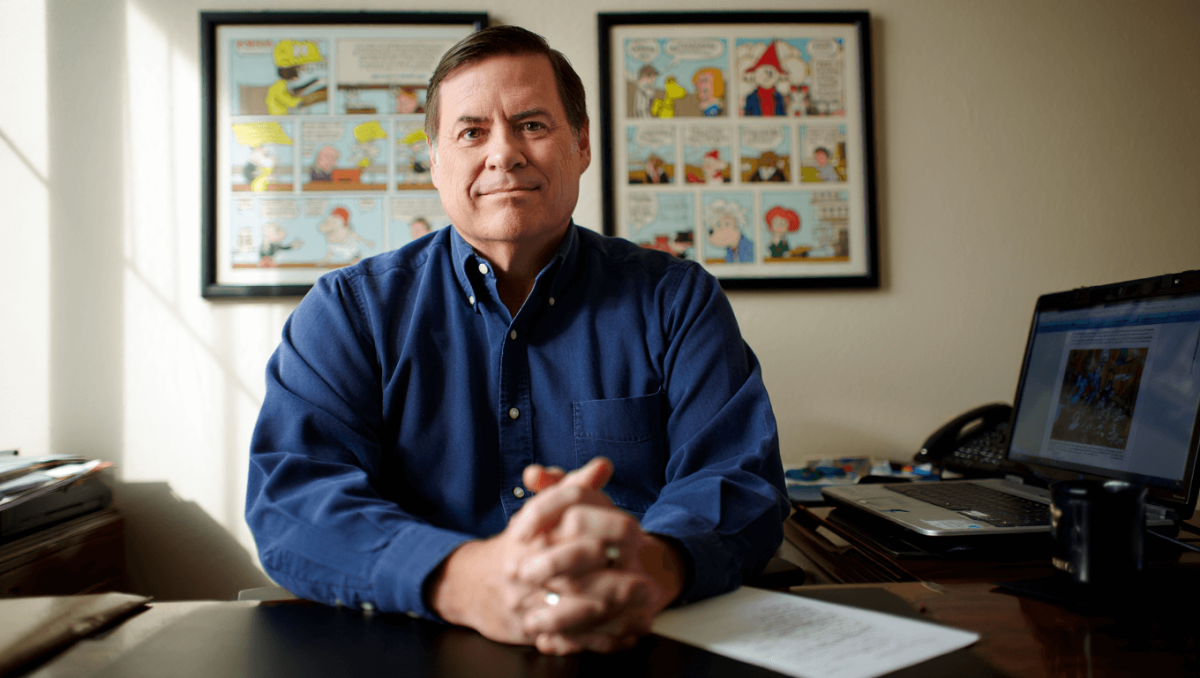
Scott Adams, the creator of the workplace comic strip that became a cultural touchstone, has died at 68. Known as much for Dilbert’s razor-sharp lampooning of office life as for late-career controversies, Adams spent his final months publicly battling metastatic prostate cancer.
How a cubicle cartoonist became a household name
Adams turned everyday office frustrations into a comic empire. He sketched characters who felt familiar to anyone trapped in fluorescent-lit bureaucracy.
Nas slams music industry over disrespect: teases new music, vows to address it
1992 vocal performances: 3 jaw-dropping moments that still amaze
- Dilbert centered on an engineer fighting pointless meetings and a clueless manager.
- The strip grew from small syndication to broad international reach, appearing in roughly 2,000 papers across more than 60 countries.
- Beyond newspapers, the brand produced books, a video game and an animated TV series.
Adams often credited his own office jobs for the material. He wrote and drew while still employed in telecom and banking roles, carving out early mornings and evenings to build the strip.
Background: education, early jobs and influences
He pursued art ambitions from youth, even applying to a correspondence art school as a child. Adams later studied economics, earned an MBA and trained in hypnosis.
- College: studied economics at Hartwick College.
- Graduate: MBA from the University of California, Berkeley.
- Miscellaneous training: studied hypnotism in the 1980s.
His résumé included stints at a bank and at Pacific Bell, where he said cubicle culture supplied endless fodder for his cartoons. That experience shaped his satirical voice.
Creative experiments beyond the comic strip
Adams explored many side projects that reflected his entrepreneurial mindset.
- He coined the idea of a “talent stack” — combining ordinary skills to create an uncommon advantage.
- He launched a brief food venture selling vegetarian microwavable burritos branded with his cartoon world.
- He authored fiction and nonfiction outside the Dilbert universe and appeared regularly in digital media.
Adams also kept an open channel with readers, publishing his email and incorporating their office anecdotes into his work.
Health struggles and final public fight with cancer
Adams lived openly with several medical challenges over the years, including a movement disorder that affected his drawing hand and a vocal problem later treated with surgery.
In May 2025 he revealed he had metastatic prostate cancer and a bleak prognosis. He later sought access to an FDA-approved therapy called Pluvicto, and publicly appealed for help to resolve insurance delays.
That appeal garnered attention from political figures, and Adams said an appointment was arranged quickly afterward. Yet by early 2026, he acknowledged on his show that the chances of recovery were minimal.
His former wife, Shelly Miles, announced his death on a livestream and read a final message from Adams asking those who benefited from his work to “pay it forward.”
Controversies that reshaped his public image
In recent years Adams moved from beloved cartoonist to a polarizing figure.
- He published provocative commentary on race, gender and public health.
- In 2022 he introduced a character choice that critics saw as mocking diversity efforts.
- Widespread backlash followed a livestream in 2023, after which many newspapers and his distributor severed ties.
The fallout intensified debates about free expression, cancel culture and platform responsibility. Adams defended his remarks as hyperbolic, while allies in conservative circles publicly supported him.
Political stances and moments of empathy
Adams became an outspoken supporter of former President Trump and a regular critic of Democratic figures. He used his platform to comment on politics with increasing frequency.
Even so, he publicly expressed sympathy for President Joe Biden after Biden’s prostate cancer diagnosis was disclosed in 2025, saying he extended compassion despite political differences.
Public reaction and what Adams asked of his audience
Throughout his career, Adams courted both admiration and outrage. His death is likely to provoke a wide range of responses from readers, former collaborators and critics.
In his closing note read on a livestream, Adams reflected on his life and asked that anyone who gained from his work pass on kindness or help to others.










