
Show summary Hide summary
- How Grindr remade queer hookup culture and why it still matters
- Crafting a Grindr profile that works (and what to skip)
- Understanding the Grindr grid and how to find people
- How conversations unfold and keeping your inbox sane
- Private albums and media safety on Grindr
- Features worth testing: Right Now, Grindr Presents, and health tools
- Subscriptions: Grindr XTRA vs Grindr Unlimited and what you get
- Safety, etiquette, and managing expectations on Grindr
- Practical tips for getting the most from the app
Grindr changed how queer men meet, swipe, and hook up — fast, direct, and often messy. The app erased the old rituals of chance encounters and print personals, replacing them with a citywide grid of screens and quick replies. For some, it’s liberation; for others, it’s a headache full of ads, odd messages, and subscription choices. Either way, Grindr still steers a big part of modern gay hookup culture.
How Grindr remade queer hookup culture and why it still matters
When Grindr arrived in 2009, it made casual connections instant and local. The app removed many barriers to meeting other men. No more awkward bar introductions or cryptic classifieds. Instead: profiles, proximity, and immediate chat.
Nas slams music industry over disrespect: teases new music, vows to address it
1992 vocal performances: 3 jaw-dropping moments that still amaze
Grindr’s core appeal is its velocity. You can see people nearby, open a chat, and arrange something in minutes. That speed is also its biggest drawback: it amplifies impulsive behavior and normalizes shallow interactions.
Over the past decade and a half, the app has evolved with new features, monetization, and cultural shifts. Competing platforms arrived, but Grindr remains a default place for horny, curious, or bored guys—especially if they want something fast.
Crafting a Grindr profile that works (and what to skip)
Profiles can be blank or meticulous. Both approaches send a signal. A minimal profile keeps mystery, while a detailed one filters matches faster.
- Photos: You can upload up to five images. Grindr allows revealing photos but enforces community rules about explicit content.
- Display name: Pick whatever you like, so long as it doesn’t break rules on hate speech or illegal activity.
- About me: You get 255 characters to describe yourself. Short, clear bios often perform best.
- Tags: Introduced in recent years, tags help express interests, sexual preferences, and looks.
- Stats and identity: Age, height, body type, tribefilter—fill in what helps you, but nothing is mandatory.
- Expectations: Say if you want dates, hookups, friends, or networking. Most users, however, lean toward hookups.
- Health: Optional fields for HIV status, last test date, and vaccines make sexual safety easier to share.
- Social links: Many add Instagram or Spotify. Only link what you’re comfortable showing publicly.
Tip: You don’t have to reveal everything. Leaving selective blanks can be a boundary and a strategy.
Understanding the Grindr grid and how to find people
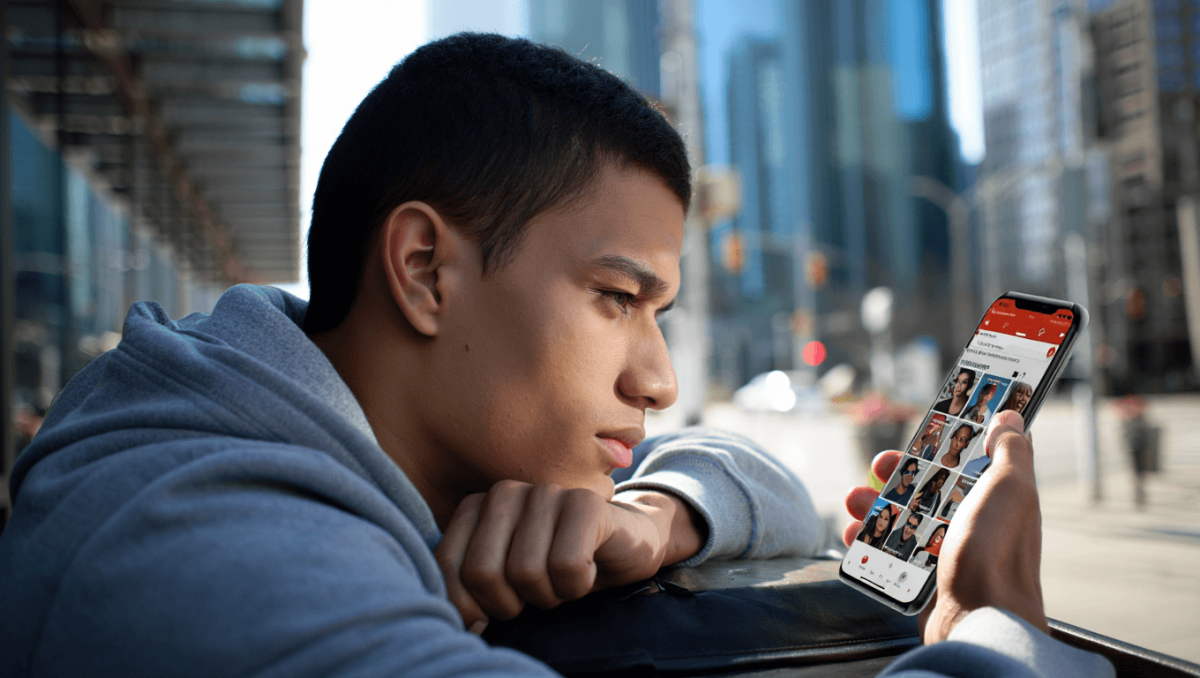
The app opens to a grid showing nearby users. The top-left slot is the closest person to you. That proximity-first design quickens connections—and awkward encounters.
How the grid behaves:
- Free users see a limited set of profiles. Subscriptions expand the visible pool.
- Filters narrow results by age range, tribe, tags, and more.
- There’s no match required: you can message anyone you see.
- “Taps” are low-effort nudges, but thoughtful messages work better.
- You can drop a pin or type a location to browse other neighborhoods.
Filtering wisely saves time. Use tags and age bands to target the people you want to talk to. But remember: the app skews toward immediate sexual intent.
How conversations unfold and keeping your inbox sane
Your Grindr inbox is unpredictable. It can deliver a great chat and, moments later, disturbing or explicit content. That volatility is part of the territory.
- Reporting: If someone crosses a line—harassment, underage activity, racist remarks—report them through Grindr’s tools.
- Message permanence: Deleting a chat only removes it from your device. The other person retains the conversation unless they delete it too.
- Unsend: Paid users can retract messages for a limited window.
- Filtering conversations: Star favorites, sort by unread, or filter by distance and online status to declutter.
Expect a mix of real connections and gross messages. Grindr’s reporting system helps, but boundaries and caution remain essential.
Private albums and media safety on Grindr
Private albums let you control who sees certain photos or a single video. They’re useful for discretion and selective sharing.
- Limits: Free users get one album with up to 10 items and one video. Paid tiers allow multiple albums.
- No-screenshot cues: Grindr prevents standard screenshots by masking images with emojis.
- Privacy notes: Screenshot protection is helpful but not foolproof. Tech-savvy users may find workarounds.
Best practice: Only share private media with people you trust. Digital protection reduces risk but does not eliminate it.
Features worth testing: Right Now, Grindr Presents, and health tools
Grindr keeps experimenting. Some features stick; others fade. Two recent additions to watch:
Right Now: live, immediate meetups
This feature shows users who are currently available and nearby on a map-style interface. It’s built for instant plans, though activity varies by city.
Grindr Presents and health integrations
“Grindr Presents” hosts original videos, playlists, and editorial content about queer life. You’ll also find links to resources like free HIV testing, vaccine info, and safety guidance.
Note: Many users ignore these extras, but they can be valuable for community and sexual-health awareness.
Subscriptions: Grindr XTRA vs Grindr Unlimited and what you get
Grindr offers paid tiers to remove ads and unlock features. Pricing models change, so check current rates before subscribing.
- Grindr XTRA: Removes ads and expands your visible grid. Good for short trips or intense browsing sessions.
- Grindr Unlimited: Adds advanced features like Incognito Mode, who viewed your profile, unlimited disappearing photos, and desktop access.
- Cost tradeoffs: Subscriptions can be pricey. Consider whether the extra access justifies recurring payments.
Subscriptions improve usability, but many people weigh them against alternatives like casual browsing or temporary purchases for travel.
Safety, etiquette, and managing expectations on Grindr
Most conversations are transactional. Many users are there for hookups, not long-term romance. If your goal differs, choose platforms that match it.
- Set expectations: Be clear in your profile and messages about what you want.
- Protect your privacy: Avoid sharing sensitive personal information until trust is established.
- Watch for red flags: Pushing boundaries, inconsistent stories, or requests to move to other platforms can be warning signs.
- Mental health: If Grindr affects your mood or self-worth, it’s okay to take a break or delete the app.
Remember: You’re in control of your presence and limits. Use reporting tools and trust your instincts.
Practical tips for getting the most from the app
- Use clear photos and a short bio to attract the people you want.
- Send a thoughtful opening line rather than a tap to stand out.
- Try subscriptions temporarily for travel or busy weekends.
- Keep health fields updated to promote safer encounters.
- Regularly audit who can see your profile and revoke access if needed.
Short-term strategy: If you’re visiting a new city, a paid week can expand your options. If you’re home, weigh whether the cost is worth it.










