
Show summary Hide summary
- Plot and premise: a hitman, a hidden life, and early signs of memory loss
- Visual identity: how hair, cars and clothes steal scenes
- Cast and performances: Dempsey and company
- Origins and adaptation: from Belgian novel to American network drama
- Tone and storytelling choices: style over subtlety
- Pacing and structure: why a film may have been a cleaner choice
- Strengths: what the series does well
- Weaknesses: where it falters
- Who will enjoy this show: target audiences and expectations
- How it compares to other recent Fox dramas about impaired professionals
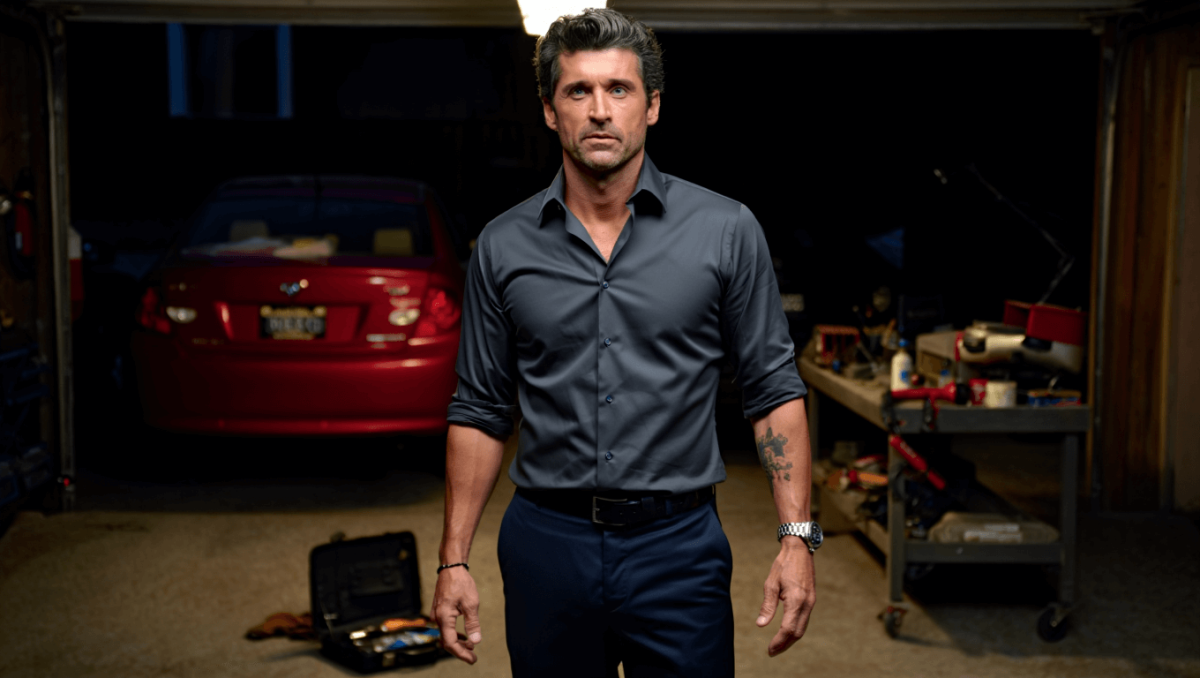
Patrick Dempsey returns to television in Memory of a Killer, a glossy Fox thriller about a suburban dad who lives a double life as a professional hitman while clues of cognitive decline quietly surface. The show leans hard on style and spectacle, even as it borrows a tense premise from Belgian source material. If you want action, looks and a brittle moral center, this series puts them on display.
Plot and premise: a hitman, a hidden life, and early signs of memory loss
The series follows Angelo, a man who plays the role of an ordinary family father by day and a contracted killer by night.
Nas slams music industry over disrespect: teases new music, vows to address it
1992 vocal performances: 3 jaw-dropping moments that still amaze
He keeps his clandestine work secret from his pregnant daughter, Maria, and her husband, Jeff. To them, he is an ordinary office-supply salesman who must travel for work.
Angelo maintains a separate life in the city. There he changes into tailored black suits, uses a luxury EV, and operates from a secure apartment. He reports to Dutch, who fronts a restaurant while running criminal operations behind the scenes.
- Secret identity and domestic cover
- An organized criminal network with a front business
- Hints of memory problems that threaten to unravel everything
The ticking worry: Angelo begins forgetting small but crucial things. A bank code for a relative. A security code for his own apartment. These lapses are treated as plot catalysts.
Visual identity: how hair, cars and clothes steal scenes
The show invests heavily in visual cues that signal Angelo’s duality. Costume, hair and cars are cinematic shorthand.
- Hair: Angelo’s slick silver style is consistently immaculately presented.
- Car: The series frames a black Porsche EV as a status object and visual motif.
- Wardrobe: Bespoke suits underline his polished criminal persona.
Those elements are not incidental. They help sell the character as both a devoted family man and a meticulous professional killer. Sometimes the show lets style outrun substance.
Cast and performances: Dempsey and company
Patrick Dempsey as Angelo
Dempsey delivers an even, restrained lead. He can sell charm and quiet menace at once.
His performance benefits from the series’ emphasis on exterior control. Angelo rarely looks disheveled. That visual control makes his memory slips more dissonant.
Supporting actors who add texture
Michael Imperioli plays Dutch, the restaurateur who coordinates hits. He brings the most consistent volatility to the show.
Odeya Rush portrays Maria with warmth and naiveté. Daniel David Stewart’s Jeff nails the reaction of a son-in-law who senses something off but lacks proof.
Other players provide color. A detective named Dave does procedural legwork. A bumbling nephew fills the classic spotter role. Casting mostly supports the show’s contrast between ordinary life and criminal enterprise.
Origins and adaptation: from Belgian novel to American network drama
Memory of a Killer traces its lineage to a Belgian novel and the film De Zaak Alzheimer. That original story has already been adapted several times.
American versions previously included a feature film that reshaped the narrative. This Fox series is the latest translation, with new writers and direction aiming to fit the premise into broadcast runtime and standards.
Adapting a compact thriller about cognitive decline into an ongoing network show requires structural changes. The series expands scenes and builds long-term mysteries. That stretching raises questions about durability.
Tone and storytelling choices: style over subtlety
The show alternates between sleek action and domesticly intimate scenes. It often foregrounds visual swagger over low-key psychological nuance.
Several choices push the series toward campy territory. Moments meant to be tense sometimes read as theatrical. At times, the plot treats Alzheimer’s chiefly as a plot device.
- Heavy-handed foreshadowing about forgetting
- Large leaps between quiet family moments and stylized assassination sequences
- Network limitations that sanitize grittier elements
That tonal friction can make the premise feel exploitative rather than explorative. The show rarely dwells on lived experience of neurodegenerative disease. Instead, it uses memory lapses to escalate suspense.
Pacing and structure: why a film may have been a cleaner choice
The story’s central tension—balancing secrecy and cognitive decline—works well in compact forms.
As an episodic broadcast drama, the narrative sometimes repeats beats to prolong mystery. Scenes that deepen character feel trimmed to meet runtime and content constraints.
Two-hour feature adaptations could contain the arc without diluting stakes. In contrast, a network format pushes the material into procedural rhythms.
Strengths: what the series does well
- Stylish production design that creates a vivid double life.
- Strong supporting turn from Michael Imperioli.
- Plenty of plot movement—events happen quickly.
The series rarely bores. Its beats land fast, and it offers gratifyingly cinematic set pieces.
Weaknesses: where it falters
- Pacing choices that make the central idea feel stretched.
- Clumsy exposition that leans on tell-not-show dialogue.
- Insensitive handling of Alzheimer’s as merely a device for suspense.
- Sanitization of themes to fit broadcast decorum, which softens moral complexity.
Small production and writing lapses stand out. Repeating names and obvious foreshadowing can pull viewers out of the story.
Who will enjoy this show: target audiences and expectations
Memory of a Killer suits viewers who prefer polished visuals and brisk plotting over deep psychological inquiry.
If you watch for style, neat set pieces and a central antihero played with surface control, you will find things to like.
If you want a nuanced depiction of dementia or a slow-burn character study, this adaptation may disappoint.
How it compares to other recent Fox dramas about impaired professionals
Fox has launched several series lately that pair midlife professionals with cognitive or emotional strain.
This one swaps medicine and law for a criminal lifecycle. The formula of a professional facing internal decline is familiar on the network.
Where previous entries leaned into workplace problem solving, Memory of a Killer mixes procedural beats with thriller theatrics. The result is a hybrid that sometimes feels uneven.










