
Show summary Hide summary
- How the US-Canada-Mexico bid came together for the 2026 World Cup
- When diplomacy and sport collide: Washington, FIFA, and public optics
- Inside the Infantino–Trump dynamic and its effect on the event
- The newly created FIFA Peace Prize and why it matters
- Concrete concessions FIFA secured and the trade-offs involved
- What host cities, taxpayers, and fans should watch
- How media and insiders have documented the relationship
North America is gearing up to host the 2026 FIFA World Cup across the United States, Mexico and Canada. As stadiums and cities prepare, political ties and behind-the-scenes deals have become as discussed as the teams on the pitch.
How the US-Canada-Mexico bid came together for the 2026 World Cup
The joint North American bid began years before the tournament. Organizers launched the effort in the late 2010s to strengthen chances of winning the hosting rights.
Nas slams music industry over disrespect: teases new music, vows to address it
1992 vocal performances: 3 jaw-dropping moments that still amaze
- Three countries combined resources and infrastructure plans.
- The U.S. offered 11 host cities, Mexico three, and Canada two.
- The timing followed controversy around FIFA and US law enforcement probes.
Planners worried a solo U.S. bid might struggle politically. Working with Canada and Mexico reduced risk and presented a regional unity pitch.
When diplomacy and sport collide: Washington, FIFA, and public optics
What began as a technical bid evolved into a personal relationship between FIFA leadership and Washington powerbrokers.
Gianni Infantino, FIFA’s president, cultivated a visible closeness to U.S. political figures. That access shifted sharply depending on who occupied the White House.
- During Democratic administrations, FIFA’s access to the Oval Office was limited.
- After the 2024 election, Infantino’s public engagement with the White House increased.
- The frequency of his visits and joint appearances raised eyebrows among observers.
Inside the Infantino–Trump dynamic and its effect on the event
The leaders’ rapport dates back to the bidding period and has continued into the tournament build-up.
Infantino cultivated ties with influential U.S. figures early on and did not publicly distance himself during political upheavals. That consistency appears to have paid off in access and favors.
The pattern suggests personal loyalty can translate into material benefits for an international sports body.
Public displays and political timing
- Infantino praised U.S. leadership on social media at key moments.
- He attended high-profile events tied to U.S. transition and inauguration cycles.
- These actions coincided with FIFA requests and negotiations with U.S. authorities.
The newly created FIFA Peace Prize and why it matters
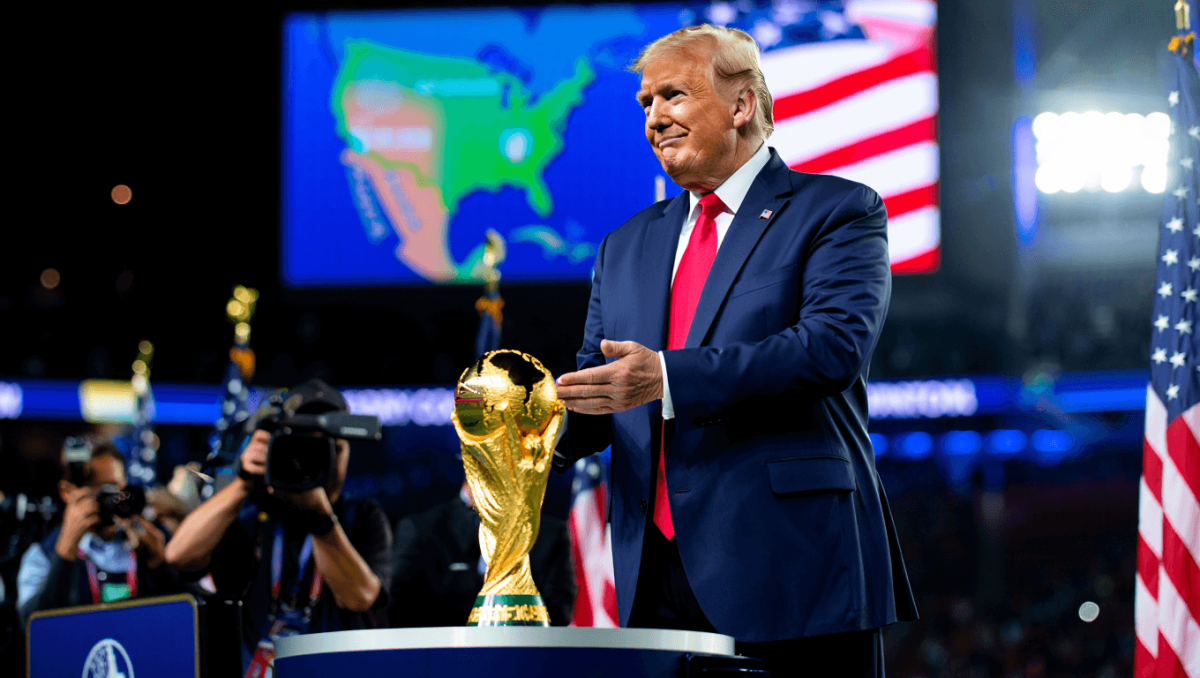
At the World Cup draw, FIFA presented a surprise award. It was a one-off honor that had never existed within FIFA’s official accolades.
The timing came after a separate campaign pushed for a major international peace award for the U.S. president. Infantino publicly backed that effort, then presented FIFA’s own prize soon after.
Observers say the gesture blurred lines between sport, diplomacy, and political lobbying. Critics argue FIFA’s sudden creation of an award served relationship management more than global peacemaking.
Concrete concessions FIFA secured and the trade-offs involved
FIFA negotiated several key operational benefits for the 2026 tournament. Some moves required cooperation from federal authorities.
- Host cities in the U.S. sought hundreds of millions in federal security funding.
- FIFA secured expedited visa interview appointments for ticket holders, often called a “FIFA pass.”
- These arrangements eased travel planning for many fans, but not all were covered.
At the same time, travel bans on several qualifying nations meant fans from those countries would face barriers to attending matches. That created a mixed outcome of wins and losses for FIFA and traveling supporters.
What host cities, taxpayers, and fans should watch
Hosting a World Cup brings big events and big sums. Localities must juggle infrastructure, public safety, and economic opportunity.
- Questions remain about how much revenue stays local versus what FIFA retains.
- Federal security spending can total in the hundreds of millions for large host cities.
- Access measures like expedited visas help fans, but exclusions and bans have humanitarian and diplomatic implications.
Policymakers and residents are asking whether concessions to FIFA are proportionate to public costs. Concerns include lost revenue from ticketing, parking, and sponsorships that benefit the tournament organizers more than local budgets.
How media and insiders have documented the relationship
Journalists and podcast hosts have tracked the evolving ties between FIFA and U.S. leaders. Recent interviews highlight both timing and tactics behind big decisions.
Reporters who follow soccer governance note that sustained personal ties can open doors that formal diplomacy does not. That reality shaped several outcomes in the lead-up to the 2026 event.
Key takeaways from reporting
- The North American bid was as much political as logistical.
- Infantino’s public support of U.S. figures preceded concrete bargaining wins.
- Fans from countries with travel restrictions still face obstacles despite some FIFA concessions.










