
Show summary Hide summary
- What the HBO series reveals about Mel Brooks
- How the story is organized on screen
- Archive footage and the method of storytelling
- Voices that shape the narrative
- Which films and projects are examined
- Emotional center: friendship and marriage
- Tone, pacing and where it slows down
- How the film treats controversy and boundaries
- Critic voices and unseen contributors
- Legacy and the creative ripple effect
- Viewer experience and emotional beats
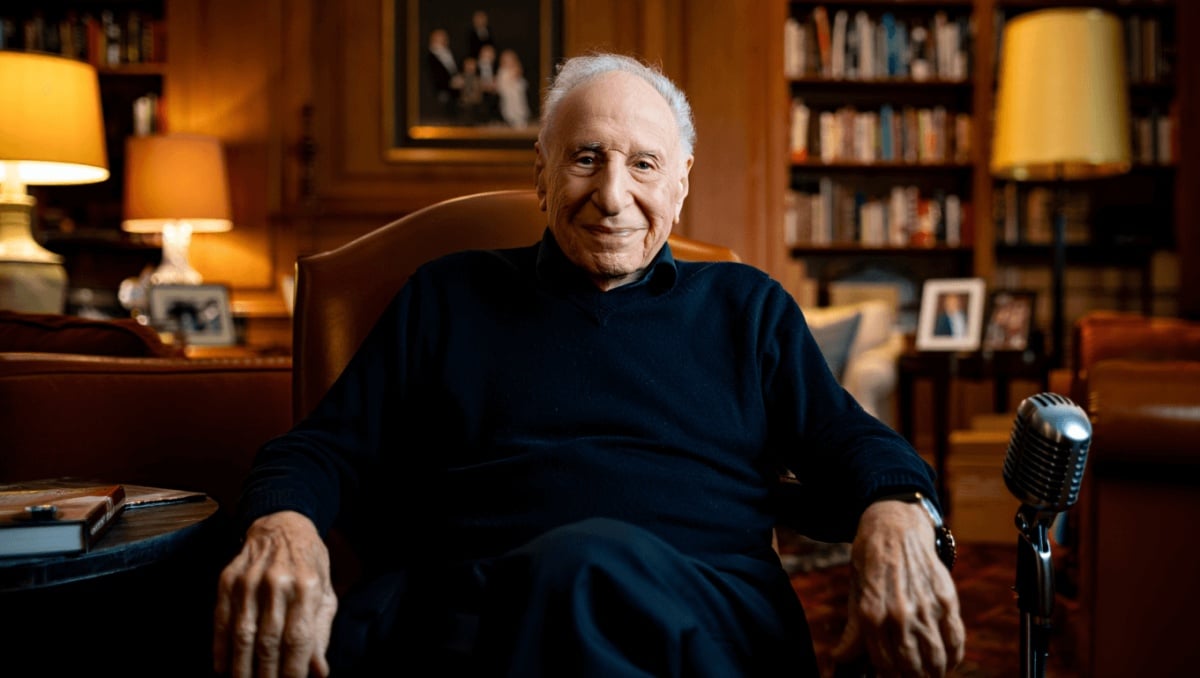
At 99, Mel Brooks sits down for a vivid, often funny, and unexpectedly tender portrait that traces his career, relationships and the comic instincts that reshaped American satire.
What the HBO series reveals about Mel Brooks
This multi-part HBO documentary puts Mel Brooks front and center. Filmmakers build a long, intimate conversation around his memories. The result mixes current interviews, rare archival footage and commentary from peers.
Nas slams music industry over disrespect: teases new music, vows to address it
1992 vocal performances: 3 jaw-dropping moments that still amaze
Who made it and why it matters
Judd Apatow and Mike Bonfiglio guided the project. Apatow joins on camera, while Bonfiglio helped steer production and interviews. Their goal was to capture Brooks’ voice directly, not just assemble a retrospective after a subject’s death.
How the story is organized on screen
The film moves in a roughly chronological arc. It begins with Brooks’ early life and comedy roots. Then it follows his rise through television, his leap into movies, and his decades-long cultural influence.
- Early years: Brooklyn childhood, wartime service, Borscht Belt and the writer’s room.
- Breakthroughs: Work with Sid Caesar and partnership with Carl Reiner.
- Hollywood peak: From The Producers to Blazing Saddles and Young Frankenstein.
- Later career: Stage musicals, Brooksfilms productions and modern revivals.
Archive footage and the method of storytelling
The directors lean heavily on vintage clips from the 1960s through the 1980s. Those moments are used as a kind of dialogue partner for the present-day Brooks. The interplay produces fresh shades of familiar anecdotes.
Vintage appearances allow viewers to compare how Brooks told a story at 30, 50 and now at 99. The film turns repetition into a feature, not a flaw.
Voices that shape the narrative
Interviews pepper the film, offering a chorus of admiration and context. Some contributors appear in new segments. Others live on only in archival sound and film.
- Carl Reiner and Rob Reiner recount early collaborations and late-life friendship.
- Anne Bancroft is present through archival footage and memories from those who loved her.
- Comedians and actors from different eras speak to Brooks’ influence.
Notable contemporary contributors
- Dave Chappelle, Sarah Silverman and Adam Sandler on comedy roots.
- Ben Stiller, Nick Kroll and the Zucker brothers on filmmaking techniques.
- Cary Elwes and Daphne Zuniga reflecting on specific productions.
- Matthew Broderick and Nathan Lane on the Broadway afterlife of The Producers.
Which films and projects are examined
The documentary gives weight to Brooks’ signature works while also touching on less celebrated titles. No major phase of his career is omitted.
- The Producers
- Blazing Saddles
- Young Frankenstein
- Spaceballs and The History of the World
- Silent Movie, The Twelve Chairs and Robin Hood: Men in Tights
- Brooksfilms productions like The Elephant Man and The Fly
Emotional center: friendship and marriage
Beyond jokes and set pieces, the film lingers on two relationships that defined Brooks’ life. The bond with Carl Reiner and the marriage to Anne Bancroft form the documentary’s emotional core.
Archival clips, talk-show exchanges and recollections from friends create a portrait of long companionship. These scenes often cut deeper than the film-history analysis.
Tone, pacing and where it slows down
The documentary is most urgent when Brooks is animated on camera. Early biographical sections move at a steady, sometimes dry clip. The pace opens up when relationships and larger creative risks are explored.
Directors handle limitations of age by pairing Brooks’ current remarks with energetic footage from his heyday. That editorial choice keeps the film visually alive.
How the film treats controversy and boundaries
The filmmakers do not gloss over the provocative edges of Brooks’ comedy. They examine what his films challenged, and what would be harder to do in today’s climate. Interviews probe intent, impact and changing audience standards.
Critic voices and unseen contributors
When living collaborators were unavailable, the film uses archival interviews with figures like Gene Wilder and Richard Pryor. Fresh on-camera voices contextualize later projects and stage adaptations.
- Archival legends provide depth to early films.
- New interviews reflect on revivals and stage versions.
- Directors and cast discuss projects that succeeded and those that faltered.
Legacy and the creative ripple effect
Many contemporary comedians acknowledge doors Brooks opened. The documentary collects testimony from a wide range of creators who credit him with expanding comedic language.
Even directors from different traditions point to moments when Brooks altered their career paths. Those reflections underline a broader cultural footprint.
Viewer experience and emotional beats
The film balances laughter with melancholy. Viewers are likely to find themselves amused and moved in equal measure.
Several sequences land as poignant reminders of what sustained a long life in comedy: friendship, family and the joy of making people laugh.










